[00:00:00] Joe: Welcome to another episode of the Live Ultralight podcast, powered by Outdoor Vitals. This podcast is about inspiring you to get Outdoors. Showing you how to lighten your pack and build your confidence so you can start living your life full of Adventure. I am Joe and I'm here today with Tayson and Stephen Smith who is a blogger and YouTuber who shares his passion via the channel and website, my life outdoors in addition
[00:00:25] Joe: to hiking and backpacking. Steven is also a paddler skier and climber welcome, Stephen.
[00:00:31] Steven: Thank you. Thank you. Jim pretty good. I'm glad to be here.
[00:00:36] Joe: So where are you based?
[00:00:38] Steven: I am in East Texas which is not where I really want to be at this moment, but my wife is a therapist and private practice. She's got a booming practice here and so it looks like we're stuck here for a little while, but I would really love to be closer to some mountains so we got nothing out here.
[00:00:56] Joe: Oh, where'd you grow up? Then if I grew up,
[00:00:59] Steven: I grew up in Texas, grew up in the Dallas-Fort Worth area and so my time traveling to Colorado mainly to spend time Outdoors but been stuck here pretty much every since been trying to get to Colorado or someplace out west for a very long time and just never been able to make an app.
[00:01:15] Joe: So what kind of backpacking is there in Texas? I know there's big band. Well,
[00:01:22] Steven: so I've been asked this question before and I'll tell you Texas, get really defensive about Texas and especially Texas, backpacking. But I have tried pretty much all the backpacking that there is in Texas, and I'm here to tell you that there's, there's not a whole lot. And so, like, if you go to West Texas, You've Got Big Bend. You've got the Guadalupe Mountains and those are like some real serious authentic mountains.
[00:01:46] Steven: But other than that, the problem with Texas is there isn't any public land. And so the most public land we have, are those two national parks and then we have a national forest down by Houston, but it's just flat thick. I'm forces all it is. And so, there's actually a long distance Trail in the, I want to say, it's the Sam Houston. National Forest thing is 110 miles, but it's all just
[00:02:12] Steven: flat. Forest green tunnel type stuff you know that you never gonna get any elevation. You're never gonna get any views, you're going to have real Panic creeks and things like that. So other than that, we've got a bunch of state parks that are like maybe five miles Square, total each part. So you could hike the whole thing and a day and be done. And so there's just not a whole lot of
[00:02:33] Steven: backpacking opportunity in Texas. Which is one of the reasons why I say, I wish I could be somewhere out west. Mmm.
[00:02:39] Joe: So you growing up in Texas, the outdoors was a part of your life, who introducing the outdoors and your parents are
[00:02:47] Steven: So, yeah, my parents did, but they, they didn't intend to. So, I tell a story that I don't know how my dad feels about the story, but when I was growing up, I was never in sports, like never played basketball baseball football, anything like that. And football is actually really big in Texas, and I didn't ever think anything of it. And so, one day, I think maybe in high school or something
[00:03:08] Steven: like that, I realized I was strange. It was that, I'd never really ever played Sports so I asked my dad. I was like, hey, Dan, how come you never put me in sports? And he said, well son, I didn't want to sit outside and watch you. So I was like, well, okay but what my dad did too. Well, my dad did do. My mom too is they took me skiing twice a
[00:03:31] Steven: year spring break and Christmas. We'd go for a week. Skiing Colorado. There was so in the Texas Hill Country there's some pretty well known Rivers, the Guadalupe and the mall river that are famous for tubing. And so you go down there, you know, get an interview be flowed down the river and do all that kind of stuff. And so, every summer, we would go tubing on the come on Guadalupe, rivers. And
[00:03:52] Steven: I remember early on somewhere in my childhood, Tubing the Guadalupe River and just loving being on that River. The Guadalupe is much more wild in the scenic than the mall but being on the river and I we were driving past some storefronts somewhere near the river. Saw a sign for kayaking lessons and I remember thinking that's what I want to be doing, like, forget this tubing stuff. Like I want to learn
[00:04:20] Steven: how to kayak. And of course, my parents, I mean like they would go, they would take me camping, they would take me skiing, they would take us to being, they do all those kinds of things, but they were not very outdoorsy. Persons people other than that, My mom had a really good friend who they would always talk about how he would go camping and he would go camping, were they called primitive
[00:04:41] Steven: camping? He'd go primitive camping. And I would say well, what's that? Well, they don't have water like electricity because all the camping we did as a kid, you know, was all like, state parks for that hook ups and things like that, we were in a tent. But we had, you know, power and all that kind of stuff. And I remember thinking about that friend of my mom's being, like, that's what I
[00:04:58] Steven: want to do. And so as kind of those, those two things like seeing the kayaking lessons sign and seeing the and hearing about my mom's friend, who did the primitive camping and being like, like, forget this stuff that we're doing, like I want to be like out there as much like I can. And so, when I came in an adult, I ended up buying a kayak got into kayaking. There's lots of
[00:05:19] Steven: rivers in Texas as you can kayak and started doing some started one wanting to do some multi-day trips. And to build a spend more than one day on the river. I needed some gear that would fit down in the hole in my kayak and so ended up, buying a ton of backpacking gear. And before long, I've had everything I needed to go backpacking except for a backpack. And so I bought a
[00:05:42] Steven: backpack and started backpacking and I've been in love with it ever since.
[00:05:47] Joe: We are a backpacking company here at Outdoor Vitals. So I'm wondering if you ever gotten into like, I guess from that, okay, well, let me backtrack a little bit like As far as backpacking you got into kayak and all that, when did you start actually like, backpacking?
[00:06:04] Steven: I started backpacking somewhere around 2008. 2009 is when I would say that, I really started backpacking which is also about the time that I started my blog, my life outdoors and and part of it was because the blog was intended to be like everything outdoorsy and wanted to go backpacking as a friends that have gone and I was thinking, you know what, like this would be great stuff for the blog and
[00:06:29] Steven: so Bought a backpack. When I was in my friends, fell in love with backpacking and eventually. All my content started morphing away from skiing and paddling, and all that kind of stuff more into backpacking. The point that my channel, my YouTube channel. Now, is I consider it pretty much exclusively a backpacking channel.
[00:06:48] Joe: It's pretty heavy on the backpacking side. I so I was wondering that when I was looking at like the rest of your your site. Yeah.
[00:06:55] Joe: Why did you start the blog? What was you just like to write or
[00:07:00] Steven: no? Actually. So that's the reason why I started the channel was because I had been blogging for. I don't know how many years And I'm just like sick, and I've got a number of learning and reading disabilities. I'm a terrible speller. I can't use grammar to save my life. And so like my blog is just horrible, especially early blog and you go like everything's misspelled. There's no proper grammar or anything like
[00:07:28] Steven: that. And for a while there, like the blog, the blog ended up going away for a little while because I had some issues with the web hosting and all that kind of stuff and was working full-time job. And it was just too hard. And so like the blog went down for several years. And I was like I can't figure it out right now and then I brought it back somewhere around 2019
[00:07:50] Steven: and started blogging again pretty heavily and a friend of mine who I'd met since I'd, you know, sometime before that. But while the blog was down was reading and all that kind of stuff and he came to me, he was like, dude, man, like why are you messing around with this writing stuff. Why you must remember this blog? So you're you're a terrible blogger. He's like you need to make videos. And
[00:08:11] Steven: I was like, well and I can I have done some video stuff, you know, for a lot of different things but it never done anything like a YouTube channel. He's like, you need to do a YouTube channel and he started sending me a bunch of different videos on YouTube and stuff like that, and he's like, you could do so much better. So I don't know, man. It seems like a lot of
[00:08:28] Steven: work and, you know, all this kind of stuff and but I had a trip planned that March. I want to set a maybe is May. I think it was that may of 2019 and I was like, all right, I'm gonna do a video while I'm on this trip. And so, I did. And the very first video on my channel is actually that that video. And it was a, it was a video,
[00:08:48] Steven: the Matilda Hall Wilderness and Southern California. And so I just have to be in California for a few days decided to go out there and do a like a three-day backpacking trip and I made a video of it. At this to this weird thing where I had the camera, you know here, but I was looking off screen. Like someone was interviewing me, even though, even though it was just me and did
[00:09:11] Steven: this voiceover type thing for that first video and was like, all right, like I like, I think I can do this. Put out a total of five videos. I think in 2019. It was it was really hard like they take a lot of work. I know you guys probably know and pretty much gave up after that when the pandemic hit and was like, I don't have time for this and then 2021
[00:09:35] Steven: March had a trip planned to the Grand Canyon. And I was like, okay I'm gonna I'm gonna do a video and I'm gonna revive the channel. and I did and on that trip with a good friend of mine, I just decided I'm gonna make a video every week and I'm gonna dedicate myself to that and had no plans of it being like anything big or I mean, I'm doing it. I'm doing
[00:09:57] Steven: a full-time now and really did not think of it as being something that could be a job or, you know, provide for my family the way that it does. But just decided that I was gonna put effort into it but I enjoyed it and that I wanted it to be more than what it was. And so started making a video every week and start putting them out and somewhere around October of
[00:10:19] Steven: 2021. It really started taking off.
[00:10:23] Joe: School. So as far as so if you guys listening at home, if you go to my life Outdoors the channel, it's a lot of gear related videos. Why do you focus on gear, curious?
[00:10:40] Steven: Well, like I don't know how much you guys watch the channel and I know I say this morning,
[00:10:46] Tayson: you said, you said I hate this, I
[00:10:48] Tayson: hate this because if I post something that I want to post no one watches it, but if I post about gear I get all these views. So I post, right? Which it's it's crazy but it's totally totally true, right? Like that hard part for our YouTube channel as it's like because we're out of Idols, right? Like we don't just pit product against everything all the time and stuff like that, but yeah,
[00:11:13] Tayson: like I'll just answer for it because you've come out and said that publicly for sure.
[00:11:18] Steven: Well yeah. And I mean and that's that's What I was gonna give and I am in my last video like you said was about that is that people people want to speak your videos and and I mean and I'm a gear junkie like I love it and you know, and I love digging into gear and I love doing the reviews and I love, you know sorting through and researching and doing all
[00:11:36] Steven: those kinds of things. But with the main reason is because people people want to see gear and when you do a video this Knight gear and so. Okay. So there's been a few comments on that video that have got me thinking in a different direction and some of the comments were saying that the reason why we watch your videos is because it It allows us to be a part of the outdoors,
[00:12:00] Steven: even during the time. So we can't be a part of the outdoors and so like if you go and you watch somebody's, you know, trip video. Well, I mean, it's I mean, like it's beautiful and it's raining and all that kind of stuff, but you can't relate to it. If you haven't been on that particular Trail as much but you can relate to the gear and you can think about, okay, yeah.
[00:12:18] Steven: If I give this tent or if I get this backpack or I get this then that's going to help me on my next trip and it helps you be connected to your next trip even when you're not on your next trip. And so thinking about that I was like there's some there's some real validity to that and I think that is true for me as well because I watched a lot of
[00:12:36] Steven: gear videos and and I love the gear. I'm obsessed with gear. Just anybody else? So
[00:12:42] Tayson: Yeah, I'll just throw a pitch in here too. One of the things I think you do exceptionally. Well, Stephen for those of you that haven't watched your channel as you're just very thorough and you're very versed on the gear. There's definitely some channels out there. That'll watch and I'll just kind of think like this really didn't do their homework. They don't just really don't actually know. The reasons behind designs and why
[00:13:03] Tayson: it has to be this way or why doesn't have to be this way? And yeah, I think, I think you come in with a very I don't want to say unique perspective but it is unique in the sense that you're very well. Versed. You're out using the gear and then you're just, you're, you're writing of your videos and, and the shots you take and stuff, they're they're done really, really well. So,
[00:13:23] Tayson: I mean, from what I've, what I've watched that I've seen a handful of your videos. I just feel like you you're very thorough. You do know what you're talking about and it's it's worth watching because How to say this? Sometimes in the world, we live in, you can become an expert with not being an expert, right? And you know what? I'm talking about that? No, but yeah, but you can tell when
[00:13:47] Tayson: guys get it and you know, for my perspective you know, working to design a lot of gear. You know, you you know what you're talking about. And I think that leads through people believe that and and the beard gives you a lot of authorities. So
[00:14:00] Steven: it does, it does do that. Well, I really do appreciate you saying that because imposter syndrome is a real thing and there are a lot of times when I'm making a video and I'm just like, I like I got no business talking about the stuff and and especially you feel that way whenever you get comments from someone who was more knowledgeable than you and I learned stuff all the time from my
[00:14:25] Steven: viewers. You know, they all say something and I'll say something with with a fair amount of confidence and then I'll have someone come in and say something and incite sources in fact. So I've got a video about bear. Right. That is still pretty controversial, but I was an adamant bear. Spray carrier like I carried bear spray, it doesn't matter. It didn't matter where I was, I was carrying bear spray and and
[00:14:50] Steven: did a video about it or I mentioned it in a gear Loadout video about the bear spray and how to comment through the commented and said, like, you don't have to be carrying bear spray when you're in Black Bear Country and he sighted like, like five or six different sources and I was like what, you know, like sometimes you comments like that, you just like whatever dude, but I ended up reading
[00:15:12] Steven: a bunch of that stuff. And I was, and by the time I got done reading, all the stuff, any sighted, I was like, I'm a Believer like, I believe it and so the bear spray video I did my like, the very first trip that I did not take bear spray, I was headed to the Olympic National Park and didn't want to Fork out. You know, you can't fly with bear spray and
[00:15:34] Steven: then want to Fork out 50 bucks for a can. And I was just gonna, you know, Leave in a rental car whenever I got done and so I was like you know what? Like I'm just not gonna carry it and now that was the very first time. I came face to face little bear. Very first time I didn't have bear spray and walked up on him and this is all in the
[00:15:55] Steven: video too. Like walked up on him and you know like saw him before he saw me and was real quiet. And I was like What do I do? And so I started thinking about it and I was like, all right, I need to scare him off. I still plenty far away from him and so I yeah, hey, bear. And I've got this in the video on the Bear. Just, he's eating something
[00:16:11] Steven: and he just looks up. And
[00:16:13] Steven: it just goes right back to what he's doing. That's all that did. And so we ended up walking right past him on the trail, you know about, I don't know, maybe 50 yards away, He never bothered us. So right, so
[00:16:28] Joe: you believe her now?
[00:16:28] Steven: Oh well, I am, you know, but like I get comments on that video every day that are like you're gonna kill somebody, you know, talking about stuff like this or you're gonna get killed, you know, all kinds of stuff and, and I'm sitting there thinking, you know, like If that ever happens. Yeah. Like I'm like That'll be the worst possible thing. But in the meantime I don't know and mainly it's because
[00:16:49] Steven: it's the flying you know you Fork out the money for the bear spray when he's got to throw it away. Yeah. Yeah.
[00:16:54] Tayson: Well I've always said I mean this is just something I believed forever which is you know fear is just unknowns right like yeah, you're scared of the dark as a kid. Because what does it mean? It means you don't know what you can't see, there could be something that you can't see it. And I think that's a lot of people's experiences with with bears, or with even sleep in for the first
[00:17:14] Tayson: time on their own or maybe doing their first solo. Backpacking trip is they've never done it and because they haven't done it. It's an unknown. And when it's an unknown there's there's fear, you know, with it. And so my thought is that you you get extreme right? Because to me, I'm not as worried about a black bear but I'm not totally comfortable with them because I haven't spent a lot of time
[00:17:35] Tayson: with them, but for me, like, grizzly, bears are terrifying. I'm like, I'm pregnant what I'm a grizzly, bear country, right? But then you talk to people that are like, oh yeah, I have walked by 30 grizzly bears and they're nothing. They're just, you know what I mean and it's just they just have that association with itself. I would imagine on the topic like that you would get both extremes. Guys who've never
[00:17:54] Tayson: been around a bear but are like my dad who's absolutely convinced that a bear would just Them. If it even saw them or smelt them, two miles away, you know what I mean? And then there's the guys that are like oh I've had a black bear in the wild
[00:18:06] Steven: Okay, so you guys got time for a quick story. Oh absolutely.
[00:18:11] Steven: So, I, I did a trip in Glacier National Park. I don't remember how many years ago. Me and my wife. I actually, I actually won the trip. It was an all-expense paid trip to Glacier. And so I got a guided, a guided five-day backpacking trip to Glacier, which I probably wouldn't be able to do it anyways, because getting permits is a horrible process. But so we were on that trip and we
[00:18:31] Steven: drove up there and my parents met me and they took my kids because it was just me and my wife and a guy and we went five days into the back country and they just, you know, kind of did like the front country stuff there in Glacier. And my mom sat down for a Guided LED talk about bears and she's got my kids there, you know, and they like file in, you
[00:18:51] Steven: know, and like sit down with my dad and my kids. And the Rangers says, I don't want to start with anyone, but a man was Malta death and the back country. Today, we'll have more information about that after the talk. And then she goes into the talk about bears. So my mom is just sitting there going. Oh my God, that's my son. Like my son. My son was malt to death and
[00:19:14] Steven: the backcountry. She's like this is how I'm gonna find out that my son was mauled by a bear. And then she realizes that my kids are there. She's like, oh my goodness. Like this is how they're gonna find out. Their dad has died. And so, my dad is terrible. He has really bad hearing. And so she's trying to like nudge him and like, discreetly be like we got to get out of
[00:19:32] Steven: here. Like we got to get up, we gotta walk out, like, we gotta get out before they start talking about, you know, who it is to die. And my dad's like what, you know, I can't hear what my dad doesn't sound like that, but I always always do that impersonation of them. And anyways, and so long story short, they don't get out of the talk and the ranger says, okay. So now
[00:19:50] Steven: more information about the mauling, a 60 year, old man has been mauled to death and my mom goes, oh thank God. the range of LED talk just turns around and looks at her and discussed because
[00:20:07] Steven: she's so thankful that the 60 year old man has been mauled to death.
[00:20:12] Tayson: that that's That's great. I mean but not really, but
[00:20:20] Steven: right? That's and so and so my condolences to the family of that man, even though I have no idea who he is or anything like that, but That would be terrible.
[00:20:31] Tayson: Yeah. No, that's crazy. Joe, I don't know if you've got additional questions but I do, I'd love to keep going through some of my own too, but go ahead Jason
[00:20:43] Tayson: So, you know, as someone who, let's say you converted to backpacking, right? You didn't grow up in it because I was part of, you know, for me, talk about imposter syndrome, or something like that, like I didn't grow up, backpacking. I grew up Outdoors. Spending time Outdoors, but but never backpacking. And so I had to go and learn that and what not? And I never felt like an expert in the beginning.
[00:21:04] Tayson: But I'm just curious, maybe is you and into this? Was there ever any big milestones for you that stood out? Maybe it was like your first solo trip or like your first trip Beyond this many miles or maybe as a trip where you went to Ohio elevation or something like that. Was there, did you ever have any experience for your like Like I have some real fear around that they feel like
[00:21:25] Tayson: they're holding you back, but you, you know, you you ended it and it changed something in your perspective. Maybe, you're
[00:21:33] Steven: So I mean like it's sort of this day. Sometimes I get a little anxious, anytime I go out and it's mainly just because, you know, there's always those things, you know, like you start thinking about like, especially early season kind of early early summer like this, you start thinking about like snow melt and creek, crossings, and things like that. And you start wondering like, well I'm not gonna get to some Creek
[00:21:52] Steven: you know, where I've got a bad situation and I'm actually got another really long story about getting stuck on the wrong side of a raging River and a backpacking trip but I'll save that for another time and so like I still get anxious a little bit about different scenarios but then I find every time I actually start setting foot on trail, a lot of that anxiety just dissipates and goes away but
[00:22:16] Steven: as far as like a milestone early on When I, when I really fell like I didn't know what I was doing. I remember I was going to take a group and because I didn't feel like I knew enough to take this group on my own we ended up hiring an Outfitter and a guide and all this kind of stuff to like take us on group. I'm taking us on a trip and
[00:22:36] Steven: Colorado. And I was convinced that the terrible, you know, like piece together gear that I had was not going to be as good as the gear that they were going to outfit us with. And so I ended up leaving most of my stuff at home and just decided I was just gonna let you know, whatever, the guide whatever, the Outfitter gave us was going to be what I took that week and
[00:22:59] Steven: we got up there and they had the worst equipment that was not not the kind of stuff like the kind of stuff that you see videos all the time where people are saying don't do this, don't take this stuff, you know, I mean like humongous Pots, you know, that she had to lash onto the back of an external frame pack and I was just clinging against the pack the whole time and
[00:23:21] Steven: these canvas tents that were, you know, like four men canvas tents. And they were, they were so heavy and and an external frame packs and all this kind of stuff, like, like stoves that went on like a Coleman and all Coleman propane canister, you know. So I had the green propane canister, you know, that was a stove they had and we had one of those, those coal experience right here,
[00:23:46] Steven: right? And I remember thinking, why didn't I bring my gear and so that was, I mean, that that gave me some more confidence early on because I realized that, you know, this professional company. That was outfitting these people and guiding these people that the gear they had wasn't as good as the gear that I had. So that was helpful.
[00:24:06] Tayson: And you survived though. Even with that crazy. Crappy gear, right?
[00:24:09] Steven: I did I did survive and I and I enjoyed it.
[00:24:12] Tayson: So why why do you get lightweight gear? Because I think you just put out a video about why you don't need like Ultra ultra light or expensive gear. I don't remember which which it was but Yeah.
[00:24:24] Steven: So I mean I I don't consider myself like a true Ultra lighter, but I have a lot of ultralight gear. And, you know, one of the things that I talked about not as often as I'd like to on the channel is take a seat that I you're sure and believer.
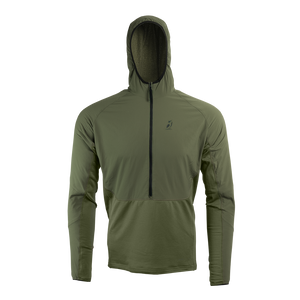
[00:24:39] Steven: This is my shirt. I
[00:24:40] Steven: left Outdoors on there. Yes,
[00:24:42] Steven: you can get them. You can get them on my channel if you want to wear one
[00:24:45] Tayson: for them guys. If you that's right,
[00:24:48] Tayson: then you should definitely have that.
[00:24:52] Steven: and so like, I mean, like I'm the kind of person that 99% of the time. I'm gonna be taking my my chair zero with me. And and that's a lot because I'm not a big, big mileage person. You know, like, I I like to be out as long as possible. I don't necessarily care about covering as much distance as possible and and I want to enjoy it. So I just don't want
[00:25:16] Steven: to don't just Destroyed myself on trail and be exhausted.
[00:25:20] Tayson: This will tell me a lot about you who was more exhausted. You were Dan Becker on trill.
[00:25:27] Steven: Well, okay, so we were, we were coming up the first incline and I, I like to stop a lot. My special one, I'm going up in clients in, you know? I mean, my, I live at 1500 feet, something like that elevation. And so, every time I get up higher, like, you know, I'm feeling it in my lungs. And so, like, I, like, when I start to feel it, like, I just, I
[00:25:47] Steven: stopped. And I take a standing break until I'm ready, and then I keep going. And so, I was stopping and Dan goes. You're my kind of Backpacker. I was like, I'm so glad you said that because because I mean, especially when you go with other people like you feel self-conscious about it, you know, but but that's another thing like I like I don't I don't train really, you know, I mean I
[00:26:10] Steven: go about once a month or more on different trips and stuff like that. And that's, that's the most training that I do. I'm not climbing stairs or anything like that. To get ready for a trip but But all that to say, I I also don't like carrying a ton of weight, you know, and and realize early on that like I had to reduce some of this. And the thing that held me
[00:26:33] Steven: back for the longest was, I bought a really expensive traditional backpack that weighed about five pounds and, and I had, I had a pretty lightweight tent. I had a lightweight steaming pad. I had a lightweight cook set and all that kind of stuff. Most of my other stuff was pretty lightweight, if not ultralight, but because I'd spent so much money on that big backpack, like, I just, I couldn't bring myself to
[00:26:57] Steven: get rid of it. And then finally, I was like, you know what? I'm gonna, I'm gonna buy an ultralight, I'm gonna go true, ultra light, and started doing that started messing with it. And and I, I see the benefit 100% that. You, you need to reduce that weight and there's an analogy that I've used. I stole this from Darwin on the trail, but I've used it a few times on my channel
[00:27:21] Steven: that It is like it's like a car, pulling a trailer. and like, if you Take more stuff than your car can carry. The trailer is a great idea, but the more stuff you put in that trailer, the more weight you put in that trailer, the more the car is going to bog down, especially when you're going uphill. The more gas, you're gonna use the more. It's gonna wear on the brakes is
[00:27:42] Steven: going downhill and and so you need to be aware of that, you know? And and people who have pulled trailers, you know, with smaller vehicles. I mean, they they realize how much it really taxes, the car and same thing with people, you know, if you, you want to carry that weight great, but you're gonna be, you're gonna be burning more calories. You're going to be worn out. You're not going to go
[00:28:04] Steven: as far, you're going to need to stop more often and all those kinds of things. And so I, I really do see the benefit. And and I my best way hovers around, I would say 13 to 15 pounds most times. So more, the lightweight category I would never knock anyone for
[00:28:21] Tayson: being sub-15. I think so many people get so hung up on 10, right? Like they get so write 10. But They never talk about the variables, right? So what are the variables when people are talking about ten? Well usually if they're subtend they're, you know, and like a 30 or 45 degree quilt they're probably not six. Three like me. So they're not a long wide gear, you know that on a long
[00:28:41] Tayson: wide pad and a long wide sleeping bag and they just there's all these factors, right? Whereas like us it's like we're usually going to high elevation or in the winter. You know, we're low elevations but either way we're running a lot of 30. 30 is the warmest bag, we even make right like we make right typically in a 15 degree bag, most of the year and again just bigger size Etc. So
[00:29:02] Tayson: I think people really get hung up on it. Whereas for me, what I'll typically end up doing just Natural, I guess for me is I'll typically pack close to a 10 pound base weight. But then I'll figure out about two pounds worth of stuff I want to take. Sometimes it's a pair of binoculars, sometimes it's a fishing pole, sometimes it's a chair, you know, it's just kind of back in time. I'm
[00:29:22] Tayson: usually, I would say the trail a lot of times when I'm backpacking at 12 pounds, right? And so to me though, it's it's I start to be like I think you really need to cut weight when you're like closer to 20 or above, we have. I mean it's crazy. People will follow us and and you know, even be members of our membership different things and they'll still be over 20 pound base
[00:29:43] Tayson: weights. And so those guys are like you got no excuses guys. Like you got to get it down, it really matters. So one thing I want to follow up with just because I was thinking about this other day, too, is just have you seen the miles that do you do on trail increase as your base weight has gone down?
[00:30:01] Steven: You know, know because I, I usually plan out pretty pretty close or whatever mileage I'm gonna do in advance. And so, by the time I get to, and so, like, I've noticed this. So you tell me if you've ever noticed this, that if I plan for a 10 to 12 mile a day, then I could do a 10 to 12 mile day, like if I'm thinking about ahead of time, I'm like,
[00:30:22] Steven: okay, this is going to be a 10 to 12 mile a day. Like I can do it. But if I only plan to do a seven mile day, then by the time I get a seven miles, I'm like I'm done and it's and it's more of like a mental preparation than it is anything else. And so like I've done those trips where you got to squeeze in, you know, big Miles because
[00:30:41] Steven: you want to do the whole Loop or whatever. Before the weekends at and you got something happening and, you know, then make sure you have to get back back home in time, you know, on Monday or whatever.
[00:30:49] Steven: And so like, you'll you'll put the big miles in for the those days. But if I've got the time and, you know, and I just I find myself most comfortable whenever I'm and also, I'm doing a lot of filming when I'm on trail and so like I need time to stop and do all that stuff and like I'm stopping every, I don't even know like 300 feet or so, you know, the
[00:31:10] Steven: film something or something else and stuff like that. And so I got I just need extra time. When I'm on trail and two going back to the way like I'm carrying quite a bit of camera weight. They don't make ultra light camera gear. I mean I guess they do but your quality That's right,
[00:31:26] Steven: that's right. And I and I just upgraded my camera recently and it like the whole setup tripod and everything batteries, I'm probably six pounds or more, just camera gear. Now, a lot of that's like in my hand of the whole time so technically it's not, it's not part of Base way, you know? Because I'm here, I guess it's worn weight, you know, whatever you want to say.
[00:31:55] Tayson: Exactly. Know, it does, people don't talk about that a lot and if I'm going out without Joe, I just take a GoPro. That's how anyone that but, you know. But when Joe comes or, or depending on trail distance, then we'll bring tripods and and you know, bigger heavier camera equipment, but yeah. We a lot of times we're doing 20 plus my days and it's just it's just critical to not have to
[00:32:24] Tayson: take big bulky, camera gear in it. It's a factor for sure but yeah. All right, Joe, I commented so,
[00:32:33] Joe: that's all right. I'll let you ask. So, what's, what's been your favorite backpacking? Trip. You've gone on so far.
[00:32:40] Steven: Probably Glacier National Park that trip. I was talking about a little bit ago that that place is just absolutely phenomenal. And if you've ever been up there but most gorgeous Landscape I've ever seen in my entire life. Nothing
[00:32:57] Tayson: compares to it in my mind. Probably where have you been besides there? Just just so people can kind of give reference to what you have to.
[00:33:05] Steven: I've been, I've been most, I've been in the west pretty much everywhere you can think of. So I'm gonna Yosemite, I've been to Yellowstone. I've been to Washington Olympic and Rainier and North Cascades. I've been all throughout the Sierra's. I've been quite a bit of time in Colorado, and so, like, I probably most of the backpacking I've done is been Colorado, Wilderness areas and stuff, like the women who and the Holy
[00:33:35] Steven: Cross Wilderness, and just got back from Lost Creek on this last trip. And so, like I've been quite a few places in the west and Glacier. I mean, it is it is the crown jewel of all that, in my mind.
[00:33:49] Tayson: Yeah, it's cool. I didn't hear Utah on that list, so we might have to change that.
[00:33:53] Steven: I have. I so, I was in Utah, just uh, earlier this year, the first big trip, I did this year was to Coyote Gulch and so that's did coyote gold
[00:34:04] Tayson: our neck of the woods, my friend. Yeah.
[00:34:06] Steven: So I actually I loved it and it's, I mean, it's a different kind of backpacking. And so, I mean, it's, it's just beautiful and gorgeous but yeah, no have. So, and I'm done Grand Canyon. So coyote, Gulch and some of the places they're still in Utah. Never been to Zion. Never really hit any of the big national parks. In southern Utah, but want to Zion is on my bucket list, for sure.
[00:34:29] Steven: Want to go out there and do some stuff out there.
[00:34:30] Joe: What is kind of your what is your your big bucket list item?
[00:34:37] Steven: So I have never done a thru-hike of a larger Trail, and so if I and not counting on not doing like the big three type stuff because I just I got four kids and family. I'm not gonna be able to get away for that long. But if I was going to do a through high did John she's in the John, your Trail is one that's kind of on my bucket list and
[00:35:00] Steven: and then probably second of that would be the Colorado Trail. And so those are two that I spent some time on the John Muir Trail, I've done about 40 miles on the genre and it's Spectacular and phenomenal, and would really love to do more of that and the Colorado Trail. I've been different segments on that, not not intentionally, but, you know, just the rather hikes ended up on the Colorado Trail for
[00:35:24] Steven: a few miles. And and it seems like a trail that I really want to do.
[00:35:30] Joe: If you could only pick, I'm guessing this would be backpacking but maybe I'm wrong. If you could only pick one outdoor activity to do for the rest of your life, what would it be?
[00:35:40] Steven: It would probably be backpacking. All right, I
[00:35:42] Steven: just realized the sun has come up and has hit my hit my camera. You guys need me to fix that. Like beautiful,
[00:35:48] Steven: does it? I haven't been looking at it so I didn't even realize that
[00:35:56] Joe: I just barely started doing that,
[00:35:58] Steven: okay? Like I can try to fix it. If you guys need to
[00:36:01] Joe: know, I think we're I think we're almost wrapped up here, Jason. Do you have any other questions? Oh,
[00:36:06] Tayson: I'm gonna, I'm gonna take all the time. All right, don't worry about it. I get a guy like Steve on here and talk forever. So I'm curious, because I think everyone kind of has things that they're they've got expertise in or they're better at or they're more interested in and whatnot. And so something out of your channel and some things I hear you talk about and and I'm curious what you would
[00:36:31] Tayson: say is like your I was a superpower but like, what you're the expert at, if you're going on trail with some friends, like what are you known as like? What are you? Where do you kind of? Even in your own mind? Just say, like, you know, I'm I kind of This guy's younger and fitter but I might know this or maybe, just maybe you're the guy just plans out all the trips
[00:36:51] Tayson: or like what are, you know, now. And what do you feel like? Maybe you've got some extra expertise that would make people want to follow you and and listen to what you have to say.
[00:37:00] Steven: Oh goodness. So I mean like I I know quite a bit about gear and it's mainly because I'm a researcher type person like I just I I have to consume knowledge and I'm really interested in backpacking. And you come on what we talked about getting in the podcast. Now that it gives you a way that you can be a part of your next trip. But even before you're on your next trip.
[00:37:24] Steven: And so I since I've heard that I thought that is a big part of what it is. So I'm constantly researching and studying and all that kind of stuff, but but that mean that applies to to just about anything and just like trip planning and things like that. Like, I did a trip with some of the guys recently. And felt like they had more experience than I did. And so I was
[00:37:50] Steven: like, well I'm just gonna let them you know and it was kind of their trip that I was crashing a little bit. So I'm just gonna let them and you know, playing everything and I'm just gonna tag along and Started to realize as I was packing for the trip that I needed some information to figure out, you know, what I was gonna pack. So I started asking some questions and they're like,
[00:38:09] Steven: well, you know, I don't know, you know, maybe this maybe that I like you don't know and so I was like, well I'm gonna go find out and so I went and found out and then after a while like I started realized like I'm the one that's going to be putting in the effort to figure out like what what I needed to know and so after a while I just started saying
[00:38:24] Steven: like, hey, like I think we ought to do this. And now that sounds great like, okay well I think, you know, we need to do this like this where we need to spend night one and this where we need to spend night too. And I'm thinking this is the trail. When you try it. When you go in at and that's probably, we need to go out at like, oh, that sounds all
[00:38:37] Steven: great, you know, like, you know, sign me up. Something like I just plan the trip, you know. and so, like, I mean, it's just kind of my personality to Seek out the information and so, pretty much. Anything and my wife. Jesus me too that She kind of she calls me the park ranger because I've got, I don't know. Give you watching my trip videos. I got this big cotton wide brim hat
[00:39:04] Steven: that I wear and it kind of looks like you say. Cotton
[00:39:07] Steven: it is is made out of cotton
[00:39:09] Tayson: here guy. The gear guy is wearing a cotton hat.
[00:39:12] Steven: Oh man, like once it gets cold, I've got a warm hat that I'm gonna put on but it's my it's my son hat and it is a cotton hat and I love
[00:39:21] Tayson: people don't understand this cotton. That's that's where cotton thrives is in the Heat right? Because the whole District keep you cool. So yeah, you know, talk about, I'm not discrediting in here,
[00:39:31] Steven: but so that hat kind of looks like a park ranger hat and so she teases me because I'll get questions on the trail. Like, people walk up, I'll be like, hey, you know, like where, you know, where is the trailhead for this, you know, or whatever. And and she says that the reason why she teases me is because pretty much every time they ask. Been on a park ranger, I know the
[00:39:54] Steven: answer and so you know so oh yeah. You need to go down here a little ways. You know, do this and you know, whatever else and you know, so I'll have the answer or whatever it is and
[00:40:02] Steven: I'll help him out and she was like, see that person didn't even know that you want to park ranger,
[00:40:05] Tayson: right. You just play some heart.
[00:40:08] Steven: Yeah, right. But I mean, I just Yeah, so I mean I don't know like I I seek out information and and if I don't have it like I'll be I'll be looking for it almost immediately. As soon as I realized that I don't have whatever the information is.
[00:40:23] Tayson: Yeah, what did you do before YouTube and before you went full-time with YouTube?
[00:40:29] Steven: So I was, I was a full-time Minister. I was actually a youth Minister for for 20 years and just got to the point where I was burnt out. And couldn't do it anymore. And so ended up, ended up resigning from my position, January 1st 2021 and had saved up enough money to take a year off. Because I was just, I was just so terribly burned out that I like I need, I
[00:40:57] Steven: need some time off and decided I was going to take a year off so saved up enough money to take a year off of work and started the YouTube channel back up because I had done a little bit before then I said earlier. So the YouTube channel back up and March of 2021 and by October, I realized that I could make it into a job and I got money from it. And so,
[00:41:21] Tayson: Now that's so interesting because I know of
[00:41:25] Joe: you're not the only exactly, you're not the only Minister I've done Kelly John Kelly and
[00:41:30] Tayson: Becker used to do that stuff you. There's a few you know but also the top of mind for me is we were just out hiking on the AT Trail and so much of the trail magic that happens out there is put on by Church organizations and and stuff. And that's just something I don't know if you relate to this, but I really relate to on the spiritual side, just the outdoors, like,
[00:41:53] Tayson: the outdoors is where I feel, you know, closest to deity and can connect with myself, you know, spiritually. And, you know, that those types of things which is really interesting is that, is that kind of, I mean, it sound like you're taking youth groups Into the Wilderness at times. And, yes, well, yeah, I certainly was. So I was youth Minister and I would take a group of about 15 teenagers every summer.
[00:42:14] Tayson: We'd go to Colorado and we would do probably four days. I think is what we would end up doing. And I mean, it was like,
[00:42:21] Steven: Jet Wilderness backpacking, you know stuff like that. And yeah, I mean, you are 100% correct, you know? I mean whether whether you believe in God or not, you know, whatever higher source or you know, divine power, you believe in, I believe that nature connects you to that. And so, I feel it every time I go out and just something about the quietness, something about the scenery, something about the air, you know,
[00:42:48] Steven: that just I don't know. It connects to your soul in a way that I feel like a lot of things can't.
[00:42:53] Tayson: Yeah, all those good thumbnails, you put out there pulling my attention when I get out there and I can't just be, you know, distracted by that. It's helpful, right? I mean, I to me, it's the, it's kind of the yin to the yin of the world. We live in now, with just so much, grabbing your attention all the time, right? Right. Yeah. But
[00:43:10] Tayson: going back to what you're saying about kind of going full-time with YouTube and making a go of that. I'm curious what your your best video of all time has been. And why you think it?
[00:43:19] Steven: You know what's so popular? So, the best video of all time, Scott, just so over half a million views, 600,000 views. And so it's a video, it's actually a video about, treating your rain jacket with dwr retreating range, I get with Nick Wax and and it actually came about because I was on a trip last summer. And all my, all my rain gear wetted out on me. I have some pretty heavy
[00:43:45] Steven: storms and it all wet it out on me and I was just soaked to the bone and was miserable at times and stuff like that. And I was like, I need to go home and I need to retreat everything. And even said to somebody, you know, because somebody passed on the trail is pretty popular, busy Trail and some of you like, oh, how you doing, you know, and I had all my,
[00:44:03] Steven: all my rain gear like draped off the back of my backpack. Trying to dry it, all out, you know, and everything. And and somebody said, you know how you doing? And I said, oh, you know, I'm not as good. I could be, you know, all my rain gear fell down on me last night or something like that. And the person said, oh, someone's gonna be making some expensive decisions when you get
[00:44:20] Steven: home. And I remember thinking, well you don't have to and so I thought I'm gonna do a video about it. And so I bought some Nick, wacks treated, my rain jacket, kind of showed how to treat it and trying to talk about the, you know, the reasons why you need to and and I titled it, the outdoor Industries, dirty secret, because I realized how many people don't know that you can that
[00:44:44] Steven: you not only can you but you need to retreat your dwr membrane jackets. On a regular basis to keep them functioning the way that they're designed to work. And and I thought, you know, I mean even you know, I've gotten, lots of comments. People are like, wow, that's not a secret, you know, they tell you that on the car tag and I'm like, yeah. But the thing is like, people don't know
[00:45:02] Steven: it and the gear companies aren't necessarily invested in you doing that because if you think your gear fail, you'll just go buy another jacket and it's money in our pocket. And so that's the and I didn't talk about that aspect a whole lot, but that was the idea behind that it was a very secret and so when I published that video I thought it was going to do well.
[00:45:24] Steven: just because of the, you know, the dirty secret, I thought, oh, people are gonna people are gonna be interested in that, but it didn't for a very long time, like it just tanked for months and then one day it just took off and it climbed so fast that like I like, I didn't even know what was going on and that video led to so, October, the first maybe a September. I can't
[00:45:49] Steven: remember September October the 1st 2021. I had 2000 followers and that video took off during that month and by the end of that month, I had over 8,000 followers all on the course of a month and so it just blew up and And it's still like it's still gain abuse.
[00:46:09] Tayson: Yeah that's such an interesting topic. We're full disclosure, we're releasing a rain jacket in a couple weeks and I just was out on trail filming a video about the three myths? Of rain jackets, right? And
[00:46:25] Tayson: there is a lot there is, I mean, I appreciate you in the video, honestly, because there's a lot of misunderstanding around it. Between hydrophilic, membranes, hydrophobic membranes how much rain jackets, actually rely on dwr or don't or so on. So forth or the big one? That I see a lot too is People actually think that rain jackets are clinical breathable, but what is breathable, right? It's waterproof breathable but it's become slang
[00:46:51] Tayson: to not say waterproof breathable, just breathable, right? And so people think you can breathe through the membrane when a reality you can't write and understand because the thing is, it's, I think part of why I think part of it could be like you're saying, like,