[00:00:00] Joe: Welcome everyone to the Live Ultralight podcast, powered by outdoor vinyls. This podcast is about inspiring you to get Outdoors. Showing you how to lighten your pack and build your confidence. So you can start living your life full of Adventure. I am Joe and I am here today with Tyler and Jason and we're gonna talk about Tyler and Jason's recent trip to the Appalachian Trail Appalachian Trail and Appalachian Trail days. Is that what the title? Is that parade at trailers? I don't know if anyone calls it. Yeah,
[00:00:36] Tyler: at Trail days, so Appalachian Trail Trail Days.
[00:00:40] Joe: Putting two more Trails. What were you guys
[00:00:49] Tayson: doing? What were you setting out to do throughout the trip? We had two goals really to accomplish out there. One of us to go out and see Trail Days, see what it's like, you know, see if that's an event that we may want to attend if we can in the future, just kind of get a grasp on that. get the cultural fit a little bit too out there and then, you know, after that, we were gonna jump on the at, and do 100 miles section. And now let's largely in part to gain some empathy for what it's like to hike over there. So Brigham which you'll find out Brigham, you know, part part party ideas for me and bring them to do that since we're doing so much in design, just to understand how the gear performs there if there's any differences, just a really feel like we can put ourselves on the team when we're designing product as well. So we want to 100 Mi segment there. So those are the two primary reasons that we two days after the Grand Canyon hopped on a plane.
[00:01:46] Tyler: I think there was a third reason as well, which is kind of what what made us really want to focus on 100 Mi there and that it was just that we're doing UL member 100 challenge where we're helping people to learn, how to do 100 mile trip backpacking without any support or help. And so, we were able to do that section on the ATV, we did a half. Day. And three full days and then another half day. So essentially four days, we did 100 miles, that's a lot of mileage.
[00:02:28] Tayson: Yeah, especially when I was kind of thinking about it this morning a little more. It was, it was less than four days because we started at three and we were done by like 10 a.m. so like it was it was we did a lot of miles on the tri folding and three days that were like three full days. Were big days, big days? Yeah.
[00:02:46] Joe: Um, that's really remarkable. I've always wanted to do the Appalachian Trail. You wouldn't let me go with you. There was the plans in the works to possibly do some photography over on the elbow, on the Eastern side of the United States. If you say, if you see See see our media that we put out. A lot of stuff is near where we're at. We're in the southwest. We're in, we're in southwest Utah. And so there's a lot of deserts some like Rocky Mountains, higher higher elevation Mountain stuff but you never quite get that like East Coast Greenery like those older Appalachian Mountains, you don't you don't get that and so there was a bit of me there was there was a part of me and it's very jealous and not too happy that I didn't get to go. I just wanted to confront you about that. Right here on this podcast. Hey wait
[00:03:41] Tayson: I'm pretty sure. Derek calls the shots on your budget.
[00:03:44] Joe: He does. But but you are the big boss. I feel like you can go over that you know power I guess. No. Um so it's really cool that you guys got to go and got to experience that. Have you guys done any hiking on the East Coast at all?
[00:04:00] Tayson: Before this specific Northwest but not the East Coast for me really,
[00:04:04] Tyler: I had done a little I lived in North Carolina for a couple years. Okay. So I had a good idea of what it was going to be like I haven't hiked much in the Smokies or like in Virginia where we were but yeah I kind of what we were getting in.
[00:04:24] Joe: I have been yeah I when I was a teenager I was like a really late at night and on PBS or something they had like they had a Canadian public television program. Documentary on the Appalachian Trail. Nice. And so like pre YouTube, like it was that it was so there was a lot less people on the trail back then, and I had been like pretty obsessed with doing the Appalachian Trail for a long time. I don't think all I ever will at this point, but that was always something that like, I always thought it was cool. Like it was really inspiring to me. And then like years later, you learned about the Pacific Crest Trail and you learn about the Continental Divide. It's not the only one, but it is the most famous one. And the fact that we make gear here, that's our, that is our basically our core audience. Our people who do, who are really serious about backpacking and want to line their packs. So they can do like lots. So I think it's important from our company perspective, definitely got get an idea from the Eastern side of things, Eastern United States as far as what does through hiking look like on that side of things. So take us through the the whole trip was what was day one was that was that was basically got into Trail days and It was interesting Damascus. As a very small town. I feel like the population is in the hundreds, not 1000s when the trolleys are not going on, but it's right in the heart of the Appalachian
[00:05:58] Tayson: Mountains. So you're Um, well placed but the town's tiny. So we find some parking after driving around for a while. Go over and it was cool. It's it's very small it to me, I didn't know what to expect. I think Tyler expected about what we saw, but there's a little smaller than I expected. There's just, you know, they do the pop-up tents, they've got some people there, but I think the coolest part of that was, we had, you know, some other manufacturers approached us say hi. You know, they clearly knew us but then we just got to meet people that were stopping us. The newer Brands. So, you know, if you're listening to this and you're one of the people that stopped us on at Trail days and said, hi and took a selfie or something. I think it's fun. It's great to meet you guys and and so that aspect of it was fun too, but Yeah, I don't know. I mean, overall, I think it was just interesting to see the people and, and see the companies and just kind of how it was run. There's a lot of activities and we kind of capped it off. Looking at a height, watching the hiker parade before we hit the trail, but what? Okay, what is
[00:07:02] Tyler: So it's like a celebration of the Appalachian Trail and it has other manufacturers there. What is everybody doing? Their like, what kind of a Meetup is it? So it's it's nice because Damascus is right on the route of the 80. So the through hikers are coming into town, there's probably spending a little longer in town. And, and a lot of them were trying to paste their hiking so that they could be in Damascus by that weekend. And that's, that puts them at like the 450 miles in kind of range. I don't remember exactly what it is. But the idea is that, well, Damascus, like as a town, they just really celebrate the at. Like, you you'd walk through town and see murals that say, Trail Town, USA and like, like lots of other cool little things. There's like some really well, outfitted hiking shops there that have like just about everything you could want. Other than outdoor battles gear, because we're consumers. But But like so the town just puts on this little festival. And a lot of it is kind of like a fair that you would see at a County Fair where there's just booths with hand-painted artwork and little crafts and knickknacks and stickers and clothing. But then there's like the vendor Village which is where like the the big backpacking brands are and let's upgrade you halfway through the trail. Yeah, yeah, exactly. So that
[00:08:36] Tayson: you'd be surprised. Yeah,
[00:08:39] Tyler: there's a lot of people ditching their three men tents for like
[00:08:48] Tayson: They've already run a backpack through or something. I decided that backpack wasn't working.
[00:08:52] Tyler: Yeah. Darn Tough was there replacing socks for people and just stuff like that, you know. So so it was cool because the brands that are really focused on on that style of hiking were fairly well represented there and and the through hikers had a really good opportunity to compare products back and forth and and decide what was going to
[00:09:17] Tayson: work best for them. That's
[00:09:18] Tyler: good for the hacker. Yeah,
[00:09:20] Tayson: definitely but it's definitely like a celebration. They had all sorts of little mini events and some of the brands are doing giveaways, you know, it's just kind of fun. Supposedly, I offered Brigham 50 dollars just to stay intense City that night after we separated off and he refused it. Because apparently, that's where
[00:09:38] Tyler: half the party goes on too. So they do it kind of like your style where it's like, tents are touching like, you're so can't so close in the grassy area that your tents are all touching and it sounded like people. Just party all night and
[00:09:49] Tayson: that's like a great time. I know Brigham, that's not freaking. Style
[00:09:54] Joe: freedoms are a product designer for those who are newer to
[00:09:58] Tayson: detail. But it's not like about half of the area was, I could have managed the other half was like,
[00:10:05] Tyler: Was like a family or room. Yeah. Yeah. They had to pay more to be in like the quiet family area but like had we known. What our hotel was gonna be like that first night. We probably would have stayed intensity.
[00:10:19] Tayson: Yeah, we pull up at like almost as after midnight. And I'm not even sure if the guy that put us in a room worked there or not, he might have just been a guy that hangs around the hotel. It was pretty sure we saw guys feeling a motorcycle. I mean, while we had a decently nice car, I was like, I hope this doesn't get broken into.
[00:10:40] Tyler: I'm sure this is not normal Damascus. Virginia. It
[00:10:43] Tayson: wasn't his mask. I don't think has a hotel in it or a motel we so we kind of stayed a little bit South but yeah we're
[00:10:55] Tyler: about 40 minutes south yeah it was
[00:10:59] Tayson: It wasn't the worst sleep but it was not the most the
[00:11:02] Tyler: mattress. I definitely traded out nice.
[00:11:16] Tayson: So after Trail days, it's crazy. People are going all out. Changing up their clothing to some pretty interesting clothes
[00:11:33] Tyler: on our coconut bras and mini skirts rainbow
[00:11:36] Tayson: stuff. Yeah. Trading out your shorts for dresses was pretty common, you know, that kind of thing. So that was quite a sight but it was really cool at the same time because there's you like the energy. They're still really high people, just love it and that was kind of an interesting clue, I think for us to as we getting on the at what we were gonna uncover. As we got out on the trail, it was so different from other Trails. So anyways, yeah, we got, that was at 2:00, we were on the trail but 3:00 that day.
[00:12:04] Tyler: My favorite part of the hiker parade was all the locals line up with squirt, guns, and then hikers, walk down the main drag through Damascus. They get squirted by all the locals with the square guns. Which was a fun thing kids. But then all the other coolest thing was, it wasn't all just current through hikers. Who were in the hiker parade. There was a whole lot of people who were just visiting Trail Days to reminisce about when they did at when they did it. So, there was a lot of people who would be holding up little cardboard things that they like, Class, 72 or class of 88, or class of 2013. And it was just cool to see how many people came back. To go to trailblaze and walk the parade and be excited about the whole experience of the at.
[00:12:54] Joe: That's cool. So I think it sounds like a good time. I would probably party.
[00:12:58] Tayson: Yeah. We were Greg Brigham tonight to Tent City.
[00:13:05] Tyler: We have the eye of the tiger though, because we knew we had to do 100 miles of three and a half days,
[00:13:10] Tayson: not only 100 miles in three and a half days, but the fact that you just got off of. Yeah. Because we the travel to this place was a little bit more expensive than we'd hoped. So we already bought Brigham's ticket but bring him in the Grand Canyon sustained. Kind of a knee injury that that we were hoping would heal hoping would heal but you know, plane tickets already bought before Grand Canyon and You know, he came out but he was not in any shape and honestly still isn't to do any kind of hiking. So, yeah, it's kind of a awkward situation where it's like, well, I don't do for three days but see you later Pals, you know? And, and I was, I mean, Tyler was probably in the best shape, he'd done some good recovery and was bouncing back pretty good.
[00:13:53] Tyler: My calfs were just barely
[00:13:56] Tayson: untying like they were, they were so tied after the Grand Canyon and I had I had knee pain as well and I was kind of just Very concerned about that. Starting that, it would worsen, you know, at best it stayed the same or got better, but that seemed pretty wild, you know, going out and trying to do 25 plus miles a day. That would, that it wouldn't get worse. And so, that was definitely top of mind for me. But, you know, we were out there and needed to make it happen. So like Tyler said, we we wouldn't just hang around until there's too long. We kind of went through it, as much as we felt like we could and then hit the trail which was we literally started from where we parked the car in the middle of the city and took off to get as many miles as it could
[00:14:36] Tyler: that day and to give a little bit of context, we did room to him in the Grand Canyon on a Monday. And so we did Southampton North trim down to Phantom Ranch which is 38 miles the first day. Second day was back up to the South Korean which was another 10 or so then we went so that was Tuesday, drive home, Tuesday, get real stiff in the car. Driving five hours home after that kind of mileage. Videos. Of astronaut too. Which is funny. But then so then we had we had a little break like we had Wednesday and Thursday break. Then it was Friday flying and driving all day to get out there when you want to see ya. When you live
[00:15:21] Tayson: in Cedar, you start any kind of flying. That's like the latest I've flown out of Vegas, but we still met here at 5:30 in the morning a.m. so and then we yeah, you drive to Vegas get on the plane. Take two airplanes over there. By the time we got to Mountain City in at our travel. Like I said, it was after midnight. Yeah. Full day of
[00:15:40] Tyler: with still stifling, you know? So then Saturday we spent all day on our feet at Trail days and then we started hiking at 3:00 in the afternoon after kind of hanging out. So so like there was not an ideal recovery window between the Grand Canyon and between the start of the 80 but that was just kind of how the scheduling felt because we're gonna turn. You got To have permits to do the Grand Canyon to Camp down in there. And then we had to pay for flights for AT&T and they just hit in the same week. So people thought we were nuts when they said, you know, when we would start talking about hiking the previous Grand Canyon,
[00:16:22] Tayson: I went to the Grand Canyon. Hey, so do we on Monday? What So anyways, we take off on the 80 that day and I just had a curiosity. Tyler, how many miles? And how many feet did we climb that day? Don't you're gonna,
[00:16:42] Tyler: um, I think it was right around 10 miles. We started at 3 p.m. didn't take too many breaks other than water and stuff and then camped up on a ridge. I think it was right around 10 and then as far as elevation gain, it seemed like we were climbing a lot that day just like up and up and and then back up and so my guess would probably be like 1500. That's the famous thing about the abolition Trail is that it's supposed to be like Triple Crown. It's supposed to be the hardest one because it's continually up and down and there's way more elevation game and lost and on the other two.
[00:17:20] Tayson: Yeah, I think that's something that would be interesting to talk about because and so Heather in though, I want to talk about that but yeah I didn't I pulled the numbers just as we were starting the podcast so I was interested it was actually 2800 feet of elevation climb in those 10 miles. So I mean it's funny. We met a guy later on the trail. Who's like you actually did the at right there? Everyone just walks on the Creeper Trail, which is the trail just goes by the river like, five miles and cuts out this 10 miles second, that's Straight up. And down that was definitely the most climbing in the shortest amount of like miles but yeah I was definitely a lot of climbing but yeah almost 11 miles is what we ended up doing. And then we found a camp and I would say it was really nice. It's quite pretty. We got you got kind of to walk by a river at times or crossing these Bridges which you know we're like Bridges aren't normal, you know what I mean? It's like it's like a little creek and they've got a whole Nice Bridge and people don't build Bridges out here. No. So we we really enjoyed it. It was a lot of climbing and then we got into camp, we We kind of, we probably should have stopped a little bit earlier that day because ended up finding the camp spot. We picked was a little sloppy and stuff, but I would say the most memorable thing for me, there was man, the lights go out and the spiders come just climbing out, and there was so many spiders. It was, it was insane. So, yeah,
[00:18:49] Tyler: we were in an undeveloped campsite. So we were just like, because we're getting rained on and then it was getting dark like, right at that time. And then the rain, let up a little. And so, we're just like, all right, we're throwing it down in the leaves. and, That's where the spiders live in the leaves. No, I mean, that's just more bugs their overall. Like, you don't have to worry about ticks nearly as much out here. Still are out here but not new is Matt much and then there's chiggers I don't know if you guys had to deal with those. We avoided The Damp. Heavily shaded grass. Okay? And yeah there's more there's just more life out there, I don't know. Yeah
[00:19:30] Tayson: we're pretty lucky that. The bugs hadn't come in a full force. We were expecting a lot more bugs, didn't get as many bugs, just
[00:19:37] Tyler: the rain helped, keep the bugs at Bay, I think. And we were a little early in the bugs season for my experience so that was nice. It was we actually had great weather. Like we got rain on pretty hard a couple of times but it was great. Timing is for his weather.
[00:19:55] Tayson: Yeah. So one of the things to know here is we started the trail. I had my Max carrying was just under four liters of water. So I started the trowel with just under four liters of water. Let's do all this climbing with so much water. We got like right before the biggest climb we stopped and filled up more water. Started. The learning path which is the next day. We're like, filling up with water. We're carrying water, we're climbing. And yeah, I think by the end of day two, we finally learned that two liters of water is plenty out there. You don't need to carry for leaders of water. Currently, yeah, desert mode. Yeah, we're coming from Desert mode. Where we, we camel up and haul the water. And yeah, we definitely were carrying way too much weight. The First week, two days I'd say before we started to dial that in. But yeah, day two is, was pretty awesome. We got up at the trail nice and early. walked a little ways before he met up with Boone who he knew our brand. I think he had a few things from us as well, and kind of walked for a little bit with him, got to know him,
[00:21:05] Tyler: he's a contractor from Alabama, right?
[00:21:10] Tayson: yeah, I just out there making it happen and yeah. So that was that was a really good time. And then we separated off from him and just kept Trucking because we were headed. Let's see what would have been this day, I think. George Grayson, Highlands that day. So we were kind of excited to get to that but also just nearly had a lot of miles to cover and There's much more to say on that. I mean, Boone had added 500 miles to his at
[00:21:37] Tyler: Adventure, which was impressive, because he did two Trails through Alabama, that then connected him to the
[00:21:43] Tayson: bottom of the 80. And then, so he just walked from home to
[00:21:46] Tyler: the 18th. That's what His dream hike was so, yeah, he he was impressive.
[00:21:52] Tayson: That's pretty cool. Yeah. So anyways, we climb up and this is when it started a good because at this point, we were probably 20 miles on that 20 miles, maybe 15 miles in. We're like man a lot of this sure looks the same, right? Like we're starting to like get that that green tunnel a little bit of it, right? Like it was kind of early on still for us to be saying that I guess but eventually though we finally got up to a vantage point because it seems like every time I get up to the top of the hill, I'd like to turn around and want to be able to What we'd climb where we came from? Just not the case, right? It's just so fake out there that you just can't see out of canopy. So around 1:00 that day, we were able to climb up to Buzzard or something like that. And we stopped had lunch and it was really nice to be in the Sun and be able to see, for ways. It was really, really pretty, so I really good lunch. Their kind of sprawled out, I think I Trying out, you know, or my quilt or something, and let it dry out just a little bit call home, which is nice. There is there's quite a bit of service out there, which we weren't expecting it all. We both brought in reaches enriched Minis and but yeah, I had tons of service called home and I got my legs burnt in like The 20-30 minutes we sat down. So like my upper thighs are nice and red by the time, we're done with that and then we hit the trail again. So, Back on our way, we're definitely playing yoyo with a few people on the trail, which turned into like a real big pattern out there, which was kind of comes into play, I think too is we got closer to the end, but went through that went down, another couple good clients and got up to Greece and Highlands for that evening and had dinner on, probably one of them will be one of the most memorable like dinner spots. I think that we've ever had, we're just perched. Clear on this rock in the middle of Greece and Highlands
[00:23:47] Tyler: the very highest point of our trip elevation wise could see along ways.
[00:23:52] Tayson: Yeah, so Sunday evening, we had a group behind us, doing a sermon up on the up on the Rock and so we we tucked off a little behind him and just kind of Out there and had our dinner and watch people approach, these ponies that they were so excited about these ponies. So there's ponies and Grayson Highlands that help we later learn just that they're planted there and they help keep Down. So they want and, but the hikers love them. They're all chasing around, trying to pet them. So we kind of had dinner and a show and an amazing view there. But
[00:24:25] Tyler: yeah, the pony thing is funny because it's the opposite of out here where we have lots of wild Mustangs and most of the ranchers and Farmers. Absolutely hate the Mustangs because they eat like the grass and stuff, they pull up their roots and kill the plants and make it so that it's bad range for cattle and sheep where he's like help with the environment and we're like well this is different. Well it grows a lot faster out there. Yeah, yeah. So but it was fun that area was really, really pretty and we kind of like Go through it faster than I expected. Really, so
[00:25:10] Tayson: Yeah, I mean, we were just, we were trying to, you know, clock the the miles that we needed to for the day. So we we moved through there. And that's when we passed our first and our first, but our first shelter in the evenings, when people were starting to Group up out of them. So that was quite interesting as well, because For us, Brigham. Wait. So I actually tasked Brigham with doing the research on this, as I, you know, you know, learn about the water situation, learn about the camping situations, learn about the bear situations and brief us on it, and So anyways, he's like yeah, don't say to shelter. I've never stayed a shelter. There's mice there and there's that, you know, there's there's More rodents and, you know, probably more bears if they're gonna be any. That's where they'd probably anyway, so on so forth. So yeah, we pulled up first one, and it is Packed. And I mean packed, I think by the time we got all the way through it, we probably were up to like, 45 tents at this shelter and the shelter itself, only sleeps, like four people, maybe five if you like there
[00:26:13] Tyler: was seven or eight people packed into that. Yeah
[00:26:16] Tayson: that one was interesting too because I'll say it. I feel like we, you know, looking at data. It never really comes up, but there's, there's a lot of drugs on the at which, which really was surprising walking past that shelter. In particular, you could hardly see across the campfire. I'll just put it that way. It was intense so and there was a lot of tents as well. So 45 tents, they were just sprawled out but why they do it is at the shelter, there's a toilet typically and there's a water source nearby so they can go filter water, get water, they've got a toilet and then there's people there. And a lot of people that had out there are doing the solo, right? Like, they're a lot of them or they start with a friend and their friend drops or whatever it is. And so It seems like even if they're hiking all day, they enjoy being able to stop in the evening where there's other people. I think there's some safety in it, right? Like not a lot of people like camping alone in the woods. So Sleeping in a shelter almost guarantees that someone else be around and there's a little bit of safety in it. But yeah I think there's a lot more socially happening in and around the shelter so that was interesting but we I don't know if there's much to say there but we we talked to a few people there and then we kind of scooted on through and other three or so miles that night to get past the 25 mile Mark.
[00:27:37] Tyler: Yeah started to get rained on at the end of that day. So we were setting up camp in the rain as it's getting dark which was not our plan. But you know, we had already done dinner on the trail up in Grayson Highlands. So it wasn't like we were stressed about like, Having a place to hang out at Camp because that's not usually our style. So it wasn't bad. That was that was a good day. Was a good day.
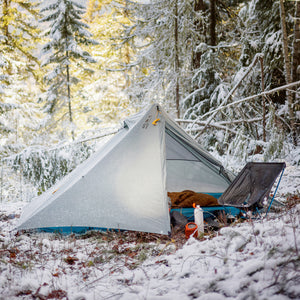
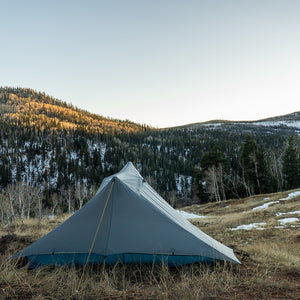
[00:28:06] Tayson: Yeah, I mean one one quick little plug here too. Setting up in the rain and dealing with that. I have the basically, the the newest sportiest, one person tent, and its really nice to have a pitch. It in the rain, not have any water get inside. But then because of that, we're kind of hanging out in our tents, a little bit longer than we normally would usually be walking outside. And that thing is really is impressive. How much Headroom and space it has in there because of the spiders, I took my backpack inside of my tent every night and then kind of pull everything out of it, stuck the frame underneath my feet and then just space for everything in there with a long white pad. So that was really nice. I folded over my pad actually and sat up for quite a while. I can't remember what I was up to but
[00:28:53] Tyler: I'm doing some recovery stuff because at that point we were, you know, right around 30 seconds
[00:28:58] Tayson: from scratch. That we probably have it on the website, Tyler know better than me, but
[00:29:08] Tyler: I don't think it's listed yet. It will be soon, so
[00:29:11] Tayson: that'll be there. But yeah, that's always nice to end the day with, with the
[00:29:17] Tyler: Yeah, we're just in their kind of stretching and and doing all that, but did everything feel like a spider,
[00:29:24] Tayson: everything. Feel like a spider killer. That's it. I'm not in the tent, know, I have safety in the tent but it was more like when we sat down took a break. You're just like you always had our little eighth inch close-up on pad. Sit on, you never want to sit right in the leaves. If you ever stirred the leaves up, it was just like spiders coming out of them, you know? Or when we had to walk at night, you'd see spider eyeballs under all the leaves, you know? Yes. He could see him or flexing back at you, but but I was a good day. I was probably, I don't say the best day on trail but like views, Advantage points and just the trellis self was really good. It seemed like a lot of those people that made it to that shelter. They'd either left on Friday, or they had taken the Creeper Trail and bypassed a lot of the ten miles of climbing. We did. It was yeah, there's a big cluster.
[00:30:15] Tyler: Yeah, that they all the hikers called it a bubble, but essentially what would happen is and and we were probably in front of a giant bubble but because of Trail Days Hikers would all congregate at trailblaze then they all get on trail at the same time and then you have a huge amount of hikers on the trail. Doing the same miles each day for a while until people's Paces start to spread them out. And so we were kind of like just barely stay in the head that like early Trail Days, visitors bubble like the people who hung out at Trail Days on Friday and then hiked Saturday. So we had caught up to those ones and we're hiking through those ones as we were going. So I can't imagine what it would have looked like with the big bubble coming out of trailblaze know that would have been like kind of like standing in line on trail like what it would seem like, because they were so many people.
[00:31:12] Tayson: Yeah, yeah. So another good night of rest had some fun hanging bear bags. That are the most annoying part of not staying at a shelter, was the bearings. Not a lot of trees with crossover
[00:31:25] Tyler: branches out there like horizontal branches.
[00:31:29] Tayson: so, it was always like you're dead tired into the day going like, Throw sticks in the air about getting hit by him, you know, like that kind of stuff. But now so we got the next day though, started off the trail quite early hiked with a By the name of Sir Elton, he was a doctor out of Canada. So I talked with him for a while, that was that was a really, you know, telling and again, that was something I was trying to consciously. I think both of us are trying to consciously do was was Eng People that we were hiking by to learn, right? You're trying to gain empathy for the people out there. Understand them and understand their needs. Why they're out there in the first place. So, we did, we tried to be pretty social specially when we're hiking, right? Because we didn't have enough time to just stop and talk to a lot of people more so we'd laugh on people or people would latch on to us. And we we'd hiked together. So how to morning heightened with hiking with straight. Elton Tyler, wasn't feeling great that morning, but then we stopped and had breakfast and At another really good vantage point. And probably the last like bigger view of Grayson Highlands, before we really exited that area kind of lost. Some of those bigger more expansive views. So yeah, day two. We did 25 miles 5500 feet of climbing. And then we started on day three this day and first first four or five miles had some views and then it kind of got into just the thick of it. so, Walk in. I don't know what they're saying about this day. We're cruising and started to rain on us a little bit. We're kind of putting rain gear on putting my rain kilt on, you know, just look in the look in the part. People started asking us what our Trail names for though and around the office here. People have kind of bounced around between Wizard or Gandalf, for me. And so I I told the first guy that my trolling was Gandalf and then we found out there's again off on trail that was a little too popular. You know what I mean? So decided to just go with wizard. Yeah, everyone was all he's looking for. They're always looking for Gandalf. So, Standoff from the trail, all right. but, No, I mean, I don't remember what their, I mean, a whole lot that to share. I mean, we recorded this video so all the like, He tells them, I'm sure that we're shooting overall be in the video that will eventually get published on our channel.
[00:33:56] Tyler: YouTube channel, that day. We got rained on pretty hard from probably. 10 in the morning till about 1:45 in the afternoon.
[00:34:05] Tayson: That's Day. That was like, we took the brunt of the rain. Yeah. Yeah. That was
[00:34:09] Tyler: water and it was raining hard like so much rain that like, noon came around and Mi, you know, like 12 or 14 came around and we're like, oh Mi 14 is the halfway point of our trip like we should stop and film something and have lunch. But no, we're not, we tried it was way, way, way too wet. Try To get our phones out. They
[00:34:32] Tayson: were not Cooperating they couldn't even unlock the screen because everything's so wet and then I got the tried to get the GoPro out. It was malfunctioning. So we tried
[00:34:41] Tyler: Yeah, so we just for a long time through the middle of that day. And one funny thing was there saying that there was a river crossing and the bridge was out and that you should only take that section of Trail like at your own risk, you know, and we're like, oh cool. Pouring rain, it probably high water, like, how gnarly is this River Crossing going to be and we get up to it and it's like there was a lot of volume in the creek, but there was still good, like, rocks and logs to hop around on. So nothing like a flash flood out here. That's for sure. Yeah,
[00:35:19] Tayson: it was very manageable.
[00:35:21] Tyler: Yeah. So it was that one that portion of the trip was a pretty big grind, because, You know, your feet are just totally socked through. We're still putting in a lot of miles and and it's just west comfortable to be being hammered with rain. You know, we had good rain gear. We always have our stuff in dry bags, and we've got our rain jackets that we've been testing for about a year that are Coming up? Yeah, they're coming out. Stay tuned soon. We actually just put the preview up on the members website today, so you can go check it out. But so make sure you join the Live Ultralight membership. You can get discounts on gear to some talk about the tent earlier. There should still be a discount up for you guys. What is that through June or something?
[00:36:14] Tayson: Yeah, it'll be through. We haven't picked a date but mid to end of June will be the biggest savings. So 65 dollars off of each of those tents right now. Yeah, yeah. So I mean Jack will be sweet. I mean, I don't know, I know we're not trying to harp on that but there's a lot of really cool Tech in it and we got some really good. We've already tested at a time but this was just just, you know, Sean Howell. Unclaiming it is in this type of scenarios and how well it does its job. So
[00:36:42] Tyler: yeah, so that rain was pretty rough. I think we got to like this road crossing at about 2:00 in the Yankees. Yeah. So we got there and the rain finally let up and there's like this little patch of grass and we're just like, sprawled out gear everywhere so that we can let it breathe. And that was probably my favorite lunch because it was just so needed.
[00:37:07] Tayson: Um this is also. So we started to kind of hike with a few people that day. There's a couple guys from Europe. There's a guy that we talked to quite a lot from Germany. He's really cool guy. Worked in like the Aerospace industry for their government and their space program. Yeah, yeah. And just a really cool guy. I don't know if I remember his name or Trail. Name off top my head right now which Anyways but we actually think quite a lot. He was really cool guy. He got to know us a little bit. What we're doing out there and stuff and so we played tag with him, but We're kind of laughing because it was like we powered through didn't eat lunch till like, after 1:00. and, Then this group behind us comes in, they stopped and it's these two European guys and a guy from Austin, Texas or around there and he you know starts talking your ear off about stuff. He's pulling out all his lunch stuff and next thing we know has European friends are like we're going and they're just gone. And we're like what the heck? And he's like, he's like scrambling throwing stuff at his pack to take off with them. We just funny and counter. So then we started walking Later with like German guy to these other guys started kind of ask him out that were like, because they were only going another five miles in the whole day to the shelter. And we were planning on doing still another like 10 or 15 that day or something. So we're like why are they in such a race you know like it was weird like why not when you stop. And because most of these people at this stage in the you know like they kind of get people separated out, you got to do in 20 miles a day, are already farther up. The trail. You got the people doing this many miles, which typically they were doing about 16 miles a day. They were kind of that's that's what most of the people in our area were doing was 14 to 16 miles a day. Sometimes it was even less, but rarely would they go past 16 and anyways, we so we kind of asked him like, well, what's the deal, like, why are they like racing to the next shelter? And we never really got a solid answers, like some of the guys we even we don't understand it, you know? Like cuz there's one guy hikes with those people. But I think it had to do something with maybe getting the best spot at the shelter, the
[00:39:13] Tyler: forecast, the weather forecast was still forecast for more rain and stuff. So I think that people want better campsites when it's raining or maybe you just want more rest time, you want to hike faster. I
[00:39:26] Tayson: think that we're cooking. Yeah,
[00:39:28] Tyler: they were hiking faster than we were but we were doing more miles in the day, you know.
[00:39:33] Tayson: Yeah. But Many miles is that day. So by the end of that day, we did 27.3 Miles and it was like our easiest elevation day with only 4600 feet of climbing. so, I mean, might be a good time to talk a little bit about the climbing there because Coming from the Grand Canyon. I think what was the most unexpected is? How much that beat us up versus these Hills, especially polar opposite. And the reason why I say that is most of us and me especially talk for me is that on The Descent of the chi about Trail in the north room, the grand or Southwestern, the Grand Canyon, It was very steep, very technical. Lots of basically are having to like pinpoint where your feet were going land on like the the ball, your foot, the total, your foot, and doing that for for seven miles. So you're not Landing flat-footed, you're not landing on your heels,
[00:40:27] Tyler: every step, you know. Like
[00:40:30] Tayson: but then you're taking the brunt of the downhill energy, it's like 5,000 feet of just on the one, one shot. Yeah. Seven miles of that and that like blew some of the guys in the office including my calfs that just kind of blew him up where you got to the bottom and realize, like, hey, we didn't even run that fast, but I'm feeling it and I still got 30 more miles. compare that to this, where typically your biggest climb, it wasn't our biggest climb, but typical climbs range between about 700 and 1,000 feet of elevation But you're way lower elevation levels like like see if there's way more oxygen compared to what we're typically used to and doing that amount. It was like you'd get you get working, you know, but you have tons of oxygen, which helped you. So we never had a Slowdown on any of the hills and we could talk Every single Hill. Even the steepest one, I kind of notice to see if Tyler is going to stop talking on this one because it was This one that we got, there's no switch back to just extreme. Yeah, yeah. And not like he was able to talk the entire way up the hill, which is not common in Utah. A lot of times you have to stop breathe hike. Another 100 yards, stop breathe because there's just so much less oxygen. But so, yeah. Typically those 700 to 1,000 feet of climbing and then you go down the other side and doing only like those shorter increments. Way more forgiving on the Lakes, like way more forgiving on the Lakes, it did not feel on any of these days in my opinion, like we climbed 5,000 feet or 6,000 feet compared to what it feels like when you hike 6,000 feet of elevation out here in the west because typically just long climbs for like four hours straight and you're just just killing your your muscles. So,
[00:42:09] Tyler: there's a couple of other factors in that, like, we live at 5600 feet. Let's see. Level and the highest point we reached on the trail out, there was 5400 feet so we had an advantage there but then two the trail. On like the trail conditions on at is generally quite nice. Like the trails really worn in. How
[00:42:32] Tayson: do you put it? The ATVs not about getting from point A to point B it's about taking the most scenic route you could possibly imagine yeah we
[00:42:41] Tyler: joked that they really get their their distance out of each Hill because they kind of like wind around each other and then you're like, when you're looking out you're like oh, we're just on that hill and recent
[00:42:51] Tayson: Island. You know, and you get back in like
[00:42:55] Tyler: it's like a mile. We
[00:42:57] Tayson: just hiked hard miles to get a mile. Yeah. Yeah. So we probably
[00:43:01] Tyler: going around private land or something.
[00:43:02] Tayson: I think it was awesome just because it's a pretty area, you know? Like it's kind of like a Scenic area of the trail. Yeah.
[00:43:08] Tyler: And the other thing is like, like when you look at the at And you look at like how the trails originated back in. Like colonial times the most direct routes from town to town or through the mountains are now highly, right? So the the actual at Route is just oh you know they had to Pure Recreation yeah they had to make some connection trails and and like make it all worked, you know? Through there. And so so like we didn't mind that because we were there for the experience, it was just steep. Yeah, but I think the other thing is, like, part of the reason we felt really good doing all of that climbing was just because we've been training a lot, we've been trail running a lot and before the Grand Canyon we had both been kind of in that like 30 miles a week of trail running range with elevation
[00:44:09] Tayson: game added in. I was I was hitting about 6,000 feet of elevation climb for week in those training sessions. To just I started to ramp up my elevation as a part. That's one of the things I track is Miles and elevation, so I've been pushing out but yeah, it definitely helped out there even on very tired legs and sore feet and stuff like that. The hills really didn't knock us down too hard even though I'll tell you the number at the end. A lot of. Elevation. So anyways day two, we hiked up, we get to a little turnout where there's a shelter, I don't know if we need to tell that story or not,
[00:44:49] Tyler: well, that was day three. The three on the trail, you're right day on the trail and by then we had passed the 500 Mile mark on the at if you're going northbound. So a lot of the hikers were kind of talking about that and that was cool, you know, that's a big milestone for, for any hiker to have done 500 consecutive miles. And so that was cool to hear people's like, how they were feeling about being there at that point. And we got the feeling that like, the people we were hiking with were like the ones who were gonna make it like the whole way, you know, because they had had time to work through their issues, almost everyone. We talked to had to work through pretty big issues to make it that far, like they either got sick or had foot problems, or had something else that. And so, they all had these stories of time that they had to spend off Trail like in a hostel, or a hotel, or a hospital in order to get to where they were. So, that was On because we felt like we were in really good company just getting getting to know really capable people and and hearing really interesting stories. That's where we met Turtle.
[00:46:03] Tayson: Yeah, yeah. We had a experience where we had to help one of the three hikers, figure out which direction she was supposed to be hiking. And then after that, we were hiking along. And there's this, this kid that we passed. And then, you know, we're trying, I was trying to Gap him a little bit so we could stop and do some shots because we walked across this Meadow. So, I set the GoPro up and we were doing like a walk by shot. And he comes over the hill and I'm like, oh but we just like him out because he's we turned around. We're both dressed in in the same color of shirt. You know, running short, same backpack. I think we've been on the same backpack color even though they're and, you know, so people looked at us and they kind of they'd be like what's going on here? Oh, you know, we work for a company, some of them we'd tell them that we were Generous and they believed us. Yeah we kind of had like a uniform look for sure. So it's funny because you know, Turtle comes up over the hill. We're both turned around on the trail and we're purposely walking right out of you know, and then anyway, so we go a little bit further. We stopped at this water source and he stops too. And so we start talking to him. And yeah he was he was just this this 20 year old kid out there. He'd already finished a degree in economics degree and it was kind of like his Time to. How would you phrase? That
[00:47:24] Tyler: decompress know, like, he was looking at completing the 80 as, like, a
[00:47:29] Tayson: right Coming of Age, Coming of Age kind of thing,
[00:47:32] Tyler: you know, he likes, he was really focused on doing it and proving to himself and to everyone else that he could do it, which was, it was pretty cool. He was out there alone, you know, like he, he had a friend that started with him that couldn't Quite make it. And so, so his friend getting off Trail. And, and then turtle was just out there, like doing this on his own. He was, I'm pretty sure the youngest person that we met. Yeah. On trail. It was doing the whole thing.
[00:48:02] Tayson: Yeah, and so we kind of basically, he's just latched on and we started with this that day and we were just swapping stories. We're asking him about things, he's asking us about things, you know, he's, he might be asking us about gear. We're asking him about like, what are you eating out here? You know, and stuff like that and he probably had the worst eating habits that we'd heard, you know, he told the stories of like packing around 12 cans of Vienna sausage for like 100 miles and then he's like, I don't
[00:48:31] Tyler: want to, I didn't want to deal with the trash, so I just ended up leaving them anyways. He's
[00:48:34] Tayson: like for someone else.
[00:48:35] Tyler: Yeah, he literally told us The trash was so annoying to deal with that. He only ate two cans so he carried ten full cans for more than 50 miles before, ditching them. Which he just left in a hostel, you know, for a cleaning ratings. And
[00:48:51] Tayson: But he mainly lived on Jolly Ranchers, like anytime I start to feel hungry I just use a Jolly Rancher. Yeah, yeah. Like I just go into the store and I just look for the stuff I wanted as a kid. Gosh yours Jolly Ranchers were like Oh yeah.
[00:49:05] Tyler: Eating peanut butter and gummy worms on tortillas. That
[00:49:13] Tayson: together? Yeah, that's pretty good. But then you're like, wait, the gummy worms. Did you find anyone? Who did the white? When I told you. What I,
[00:49:28] Tyler: what I've heard of the jar of peanut butter and they take a stick of butter, in the jar of peanut butter, and they mix it up. We didn't see that
[00:49:35] Tayson: a lot of meals with people like Him. But he didn't ask almost everyone what they're eating because we're curious. And we learned that a lot of people are probably, they're asking their body is to be athletic and they're feeding themselves. Like they're a 13 year old kid,
[00:49:54] Tyler: eating junk food, and it wasn't fair. For us to judge too hard or for us to tell them what we were packing because like we were looking at this like we're doing 100 Mile Sprint. So we're gonna like we both wear the Garmin watches that. Tell us how many calories we burn when we run and hike and so we're like, okay, we're gonna be burning 8,000 Cal this day. We're gonna pack 4500 and we're gonna get like all the best things. And so like we were going out and access
[00:50:26] Tayson: to a lot of really good food here that we retail. Like so
[00:50:30] Tyler: like we get down, we sat down with turtle at dinner time because he wanted to just hike with us as long as, as we could, we enjoyed his company and he was enjoying talking to us. And so, he was like, okay, with you guys tonight. So we sit down for dinner, which we, we do this almost every time we have dinner around 5 or 6:00 in the evening with Three to five miles left in the in the evening because there's a few reasons for that. Like, performance-wise, it makes way more sense to get those calories in earlier and finish the miles without as much of a deficit. Like, if you starve yourself from three in the afternoon till eight or nine when you finish the your hike, you're just not gonna feel good that night or the next day, so we do that. But also we like to have dinner out on trail at Golden hour. When you can see wildlife you see the prettiest, you know, time of the day. And so Turtle wasn't really used to that. He was used to eating dinner like at Camp, wait or whenever he gets the camp. So we're like sitting there fixing up our Peak meals. No tasting. Had his homemade one, his homemade, super good. What is it?
[00:51:40] Tayson: Zuppa Toscana? Yeah, so he
[00:51:45] Tyler: was chasing, was like filming a video about that and I'm like, chowing down on this big peak meal and and I look over at turtle Turtles. Like, are you gonna eat dinner? And he's like, I had a Jolly Rancher.
[00:51:56] Tayson: Like he's literally sitting there like talking to us. And the only thing he had was a single Jolly Rancher. Wow, I was trying to give him food. He was like rail.
[00:52:06] Tyler: Food. He said he had lost about 15 pounds in those first 500 Miles. He wasn't crazy thin and he did say he was gonna have Pop-Tarts when he got to camp.
[00:52:18] Tayson: We gave him I try to. Yeah, I can't be. Finally started taking some food from me. Yeah, we adopted him. Yeah, that
[00:52:28] Tyler: was one of the things that we came away from the trail like learning the most about and still talking the most about like situation on the at is hard, because You're trying to budget a little finite amount of money for a really, really long 2200 miles, right? Yeah. So you're trying to make your money stretch, but you're also trying to act like an athlete and you're feeling it with junk. And so we were, we were really curious to talk to like everyone. We talked to. We asked what they were eating and turtle was on the extreme of the one side we were on the opposite extreme. A lot of the people we talked to were kind of in the middle like they were, they were paying attention to, you know, getting a balance of fats and carbs and proteins and they were trying. Yeah. Yeah. So I think the biggest thing Turtle ate was
[00:53:24] Tayson: And him protein bars. And so he like one or two of those a day, but I can't imagine.
[00:53:30] Tyler: He said he was packing salami too. Oh yeah, just Joe's.
[00:53:33] Tayson: Yeah, that was good because he needed it too like he needed some protein and fats and that's a good source of that for him. But yeah, so yeah, I think there's some lessons here that will get into the next day, too, about like hiking some of these longer days as well. But so I ended up packing up finishing that hike it was really pretty found a good camp spot best Camp spot, it was yeah, probably was, It was kind of by dirt road and so we had some solar lights in our Camp Tiki. Torch didn't feel like we were like, out in the mountains so much, but it was
[00:54:07] Tyler: the best to me, because we're up on a High Ridge. We had a good little breeze here. There was Zero condensation when we woke up, like just because we were usually when was drying out, people don't realize the majority of their condensation comes from being in low way campsites. So like, If they're camped next to a water source, they're gonna have a lot of khand. Area with very low Breeze or something like that, they're going to have more. So we really enjoyed that camp spot because of that
[00:54:40] Tayson: we even got into camp at a pretty decent time of sat there for a little bit eaten snacking a little bit. One of the easier bearings. Probably that was a good, a good evening, internal total pitched, he had a hammock and So he slept there with us and then the next morning we hey, he wasn't about getting up at the