[00:00:00] Joe: Welcome everyone to the Live Ultralight podcast, powered by Outdoor Vitals. This podcast is about inspiring you to get Outdoors. Showing you how to lighten your pack and build your confidence. So you can start living your life full of Adventure. I am Joe and I have on here with me today tae-sun, welcome to Jason and And we have Jesse. From Backcountry forward. Jesse, how are you doing today?
[00:00:29] Jesse: I'm doing really well. It's awesome to be here. Thanks so much for having me on.
[00:00:32] Joe: Oh, thank you for coming on. So I wanted to ask a lot about your recent gdt experience, but I think we're gonna get a little bit of a, the lay of the land. First. What are you? What is Back Country forward and what are you trying to? Do do with it.
[00:00:52] Jesse: Yeah. Absolutely. No. So my YouTube channel started actually with with my first ever backpacking trip. I kind of had been one of those people who for years, had always known. I wanted to go backpacking, but was always stuck in that same routine of maybe one day, maybe someday and some things happen in my life and some pretty big orientation changes in life and the relationship ending. And I just kind of got
[00:01:17] Jesse: to the end of my wits where it was like enough is enough. I'm done with saying maybe one day. I've always wanted to be that guy going. Backpacking. And so I'm doing it. I'm going backpacking. So I called up my buddy, I said, you know, we've always talked about this idea of doing a website or a Blog of some sort like let's get together. Let's do something. That was his idea to
[00:01:33] Jesse: start the YouTube channel and we came up with this name of backcountry forward, we're moving towards the back country, we're heading forward towards adventure and and that kind of name just stuck. And we filmed our first ever backpacking trip and it was just we never put that footage out. It was just absolutely horrible. We filmed with the like selfie facing camera which doesn't have a stabilizer and the whole thing's just the
[00:02:00] Jesse: shaky Like Blair Witch Project Style, backpacking trip. But yeah, it started with wanting to share my story and our story about backpacking and to encourage other people who are in that same kind of well, maybe one day, maybe someday, and and stop saying that get out there and be back country forward move towards the backcountry. And so, you know, years later, now I don't claim to be an expert. I have. We're
[00:02:26] Jesse: all just out there learning and trying new things and but I want to really encourage other people as they're beginning on that journey. And I see a lot of people who are in that same place where they want to, they know, it's who they kind of are meant to be, but they're just holding back. So the goal of Back Country forward is just to encourage them on that Journey.
[00:02:45] Joe: That's really cool. So, tell us about you. You said you wanted to go. Backpacking, did you do much backpacking before you started this journey? Like at all? Or
[00:02:45] Jesse: Yeah, no other
[00:02:58] Joe: videos and you're like someday. I'll do that.
[00:03:01] Jesse: Yeah, no, it was it was so, this is actually a really cool place where the GD. And my kind of origin story. If you will kind of meet and creates this this full circle, long story short, my family was not a camping family, not a backpacking family. At all. The one thing we did every year was We went on one family vacation and so my family is an approved cult what's called
[00:03:26] Jesse: approved home caregiving family. So I've always lived with somebody who has some form of disability as we've welcomed them into our family and we've taken care of them. And here, in Alberta, there is this area in the Canadian Rockies. This place called William Watson Lodge, which is a place for accessibility into the mountains and into nature. And so trinda whose like a sister to me is, is developmentally disabled and willing Watson
[00:03:53] Jesse: Lodge. Created this opportunity for my family and for her for us to go every year for one week, trip into the Canadian Rockies, and Spain, a nice cabin, and, and that was our family trip every year. And we would do day hikes. That's all we ever did. And short day hikes, you know, an hour two hours, you know, few hours longest we did once was six hours and, but that I knew
[00:04:17] Jesse: that area. So well. And so, you know, fast forward I'm nine years old and I'm sitting down and my dad's showing me on the big, you know, rectangular map on the ground in our cabin, all the little day hikes that we've ever done. And I saw this like, you know, we're just in like one little corner and as so, I point to this hike, this Trail Way off in the corner of
[00:04:38] Jesse: the map and I said, dad, what about that hike? Why don't we do that? And he says, oh well, that's the backcountry you have to go backpacking to do that hike. And that's the first time I ever heard of the phrase of the word and explains to me. What it was. He had done some backpacking when he was, you know, a young adult and fast forward, a couple years later and now
[00:04:57] Jesse: he gives me the map and he says, he wanted you pick the trail that we go on. I remember looking at the same map and just mesmerized by this, like World of the unknown and way off in the distance, this Untouchable area. And I look at that same little trail and I know it's three words called that say Great Divide Trail. So I asked my dad, what is this Great Divide Trail
[00:05:19] Jesse: and He doesn't really know. He kind of says, well, the Great Divide, is this geological feature that separates the water flowing from the East to the west? And so some people must create a trail and anyways, fast forward years later, I totally forgotten about that. And I finally get to this point. Where I say, you know, it's time to go backpacking. And again, totally, you know, I don't want to go too
[00:05:45] Jesse: far on this rant. I could, I could kind of read, but I guess, long story short, I go off with my buddy into this section of again, this area of this map, that I've just always wanted to explore, totally forget about this thing called The Great Divide Trail. Totally forget all about it. We go, we hiked unbeknownst to us a portion. Of The Great Divide trail that same portion that I had
[00:06:05] Jesse: pointed to with to my dad, you know, a decade or earlier. But we got to just this one little point and remember standing with my buddy and looking over this Valley called The Palace or Valley and I had always known that name the palace or Valley and just everything inside of me wanted to go forward but this would be the furthest point on our backpacking trip and we were going to turn
[00:06:24] Jesse: back and at the end of that trip was a three-day trip and my buddy was like, I just don't wait to go home. Sleep in my own bed. I'm so tired, you know? And I was like the opposite. I could stay out here for a week longer like I see like I was designed for this. And and I always remembered that moment. All the sudden, I just like the passion for backpacking.
[00:06:45] Jesse: Just Ignites me, I'm watching you PCT videos, Darwin on the trail. I'm just digging into the content learning. What it means to be ultra light, because I was so not. And, and all the sudden I stumbled upon this this video, that pops up in my subscription feed, or the news suggested be called, Canada's Great, Divide Trail and it rings that Bell, I'm like, what is this? So I click on it. I'm
[00:07:09] Jesse: watching it. It's a couple from here in Canada, who they're doing the Great Divide Trail and all this I'm watching first video and the second video I text my buddy, I'm like there's a through hike in Canada. Did you know that? That's so cool. We should do this one day and all the sudden I get to the section that was the same section you, my buddy had walked just a few months
[00:07:27] Jesse: earlier, and it was like, I was already starting to feel this. Like, I've got to go here, I've got to go here and all the time. I see, I Been there. That's where I went backpacking. and it it was just this like I'm doing this hike one day and I had no idea how it made no logical sense to me book in the time off, just Seemed impossible but long story short
[00:07:49] Jesse: last summer. That's what exactly what I did. So that's that's kind of the origin story. This beautiful moment of from Full Circle and being, you know, In on the trail and then standing at that same point that I had been on my first backpacking trip where I felt like I wish I could go for further and saying now, I gotta go for further was just surreal. So that's that's kind of my
[00:08:11] Jesse: origin story and it all culminates this summer at the gdt.
[00:08:16] Joe: Yeah that is. That is very surreal. So, I guess, we'll we'll go, we'll dive into your gdt experience. I guess for those for those at home, who don't know what the gdt is, you're explained it a little bit, how long of a trail
[00:08:32] Jesse: Yeah. So it's it's 1,200 kilometers, which is 750 miles. I got all my little stats here just so I don't forget it. The one thing that so most of your listeners at GDP is a less known through hike. It's considered one of the most rugged through hikes in North America, but it's lesser known, you know, where you got the PCT where, like thousands of people attempted every year, the gdt this last
[00:08:57] Jesse: summer, had 75 people attempting it and that was considered a big year. So it's it's a pretty lesser known hike but it goes through some very popular places. Like there are parts of the trail that are right through National Park territory and it goes through actually three national parks, several provincial parks, and it's it's got over 150,000 feet of elevation gain, just through the entire Trail and it's something that can be
[00:09:27] Jesse: done. Most people do it in about, in about two months, you can take anywhere from a month and a half to two and a half months. The hiking window up here in Canada is really short. So, you kind of Have to start late, June, if not early July even late, June is pretty early. You're gonna be hitting some snow up in the higher Place passes, and then, by mid-september end of September,
[00:09:50] Jesse: if you're lucky, if it's a good year, even me at towards the end of August, I started July 4th Independence Day. And, and by the end of August, I had hit a massive dump of snow. And so, you know, in the Rockies, it can snow. I've been Canadian Rockies, no year round, you know, I've been snowed on and in the middle of July and even in August. So it's got seven sections.
[00:10:13] Jesse: Unlike kind of other through hikes, where they have short sections, that you have hit towns often, right?
[00:10:20] Jesse: You got, you know, the longest, I think the longest stretch on the PCT without hitting a town as I think, five days, where is on the gdt? Most of the sections are, like, seven, eight. I have some friends who had to do a 12-day section. So they're they're good good legs. You know, there are short Sections, there's one section that's about 65 miles down in about four days and the longest section
[00:10:43] Jesse: is about 129 miles. And so yeah, it's just stands kind of the this it doesn't go the entire width of the Canadian Rockies because technically they go a little bit further, but up in that territory it's it's, you know, it's just total, there's not even Trails although there's people doing some scouting. So it starts, this is again the CDT which people probably are familiar with it starts exactly where the CDT ends
[00:11:09] Jesse: So people often call it, you know, the younger sister the or the wild younger sister of the the CDT? Yes. Possibly
[00:11:16] Joe: could you just do like a super hike?
[00:11:16] Jesse: Pardon.
[00:11:16] Joe: Yeah. Could you do a super hike from the CDT through the GDC?
[00:11:16] Jesse: Yeah.
[00:11:23] Jesse: Absolutely. And some people have done it. I was a guy named peanuts and Andrew I can't remember his last name. He did it. I think two years ago yes started in New Mexico and all the way up and the cock while Lake Provincial Park
[00:11:38] Joe: just you know 700 miles here, 700 miles there. Just added on just tack it on. Keep going why not?
[00:11:44] Jesse: It's it's you've done the cdt's 700 750 miles added on to it is like, you know, I think An extra like quarter. I don't know if it's even less than that. So,
[00:11:54] Joe: well, I mean, how did you prepare for This hike.
[00:12:00] Jesse: Yeah, I mean in some ways like I said, going back to that idea of the origin story, the whole the past, you know, few years had been five years have been preparation for this, and and I kind of Yeah, planned it that way. Not so much. Like I never thought I'd actually be able to do the gdt like it was a dream come true in reality. But I always knew like I
[00:12:20] Jesse: needed to get into things. Slowly started with a three-day trip that was kind of like a base camp trip where we stayed in one spot in the day. Hikes then we went did our, you know, a few trips that were genuinely like three day trips and then expanded to like a week-long trip. And and then and then this year did the gdt so that was kind of a long game was honing
[00:12:38] Jesse: my skills, doing tons of trips winter trips. Everything just training honing in my skills as a Backpacker, and then going into the trip. There's tons of preparation because there's not as many towns, you can't just resupply in a town. You have to plan your resupplies in advance and mailboxes to yourself full of all the food. You're going to get. That's a big part of the preparation process, the permitting up here in
[00:13:04] Jesse: Canada, total different situation. It's not like you get one permit, you get to do the length of it, you gotta create an itinerary. That's like day by day by day. And you've got a book, like every campsite not every night but like Enough nights that it's like if you fall behind on one night, you kind of gotta get caught up because in three nights you're you're you've got a permit and you
[00:13:26] Jesse: can't camp in the national parks without a permit. So you really break down the gdt as a trail, as a whole learning. The whole geography, the pouring over Maps or reading a book. There's an excellent book out there. That's a guide book and you just pour over it to kind of prepare yourself mentally for what you're going to be experiencing and then physically. I had an amazing physiotherapist. I actually have a
[00:13:53] Jesse: broken back and so that was a pretty big important thing. So, Karen physiotherapy Kristen Norwick, she had hiked the hike, the trail, the year prior, and she's a physiotherapist. So she's just excellent. So, I hired her, as my first personal trainer, she sent me up with the bunch of cardio, bunch of core strengthening and balance strengthening things. And I was training in the months prior to probably not nearly enough to go, so I
[00:14:19] Jesse: Think it's one of those things. Everyone is always like, I'm gonna train so much and once he actually hit the trail, you're like no amount of training could have prepared me for this. I know that your guys, I lied was. You guys are trading for that for, for weeks months. Prior to do you feel like you're trained enough?
[00:14:35] Tayson: Um jeez, I don't know. I yeah, I think I did for Highline but we did one just before that, that was a fast hack and that one I could have used more training for sure. I mean when you get into like the running and stuff that's just but I think, I think any the longer you go you know the more exponential any injury becomes, right? So like one little tweak in your
[00:14:58] Tayson: foot you know in two weeks later it's a massive issue whereas if you're getting off Trail and four days or something like might not even fully developed into what it's going to be because you don't get that rehab time, right? So
[00:15:11] Jesse: Yeah, and the foot injury, you nailed it. Actually on this, the third last section, my shoe broke and there was a kind of a chaos where I was supposed to get a Replacement set of shoes, my roommate sent the guy who's meeting up with me for a single day, the wrong. He sent me my winter boots, so I get to the place where I'm Rondo doing with this guy and I'm like
[00:15:35] Jesse: first things first. Bob, giving me my shoes on. So, ready for my shoes. My shoes are about to fall apart and he's like, I got up, and he pulls out my winter hiking boots. And I'm like, this is your joking. Like, I legitimately thought it was a joke, I thought he was, like, I'm gonna give Jesse went to boots as a joke that he's like, no, that's what your roommate gave me.
[00:15:53] Jesse: And I'm like, Told him like I had a brand new box of gray Trail Runners and he gave me this old ratty taddy, pair of winter hiking boots. So I that
[00:16:05] Tayson: fascinates me because I want, I want to hear what the next days were like, I had an experience this last year, where I I like took my winter boots on a hike and it blew me away like the difference. So I kind of want to hear like, did you have to go hiking in those boots then or what did you do?
[00:16:22] Jesse: Know. And I don't know. This is one of those things where it's like, I don't know what would have been the right to see those shoes. Those boots were old and they're grip were horrible. So I decided I'm gonna push through with the shoes that I have. They have a few holes in them. They're starting to fall apart but I probably have one section left in them and I had actually probably
[00:16:39] Jesse: about half a section left. So I was an eight-day stretch and on day. Five, my right shoe just totally broke. I actually fell. I had a pretty serious fall down a little Gully and scraped up my side pretty bad. And so at first, I thought my foot was injured because of that because that injury my foot hurts, not only for the rest of the trail. I had two weeks left on trail
[00:17:05] Jesse: after that, but it hurt for about a month afterwards and I I honestly didn't know what it was until after trailer. I was like, why does my foot still hurt? And I realized that one and a half days of walking with a broken Shoe is is what did it? I think it just really messed up my muscles and so then I got brand new shoes in. Jasper, the last town before heading
[00:17:30] Jesse: to the end and those shoes were also awful. They were too tight and and I thought that was the issue. And so I switched out shoes, one more time, my girlfriend met up with me and I switched choose then and that helped a little bit but my right foot was still kind of hurt and all the way to the very end and like I said for weeks afterwards and I know I'm
[00:17:50] Jesse: almost positive. That's the issue and it just goes to show how fragile our feet are like. We take them for granted. Because
[00:17:59] Tayson: we're going. No, no. Go ahead.
[00:18:03] Jesse: I had one other trip years ago where I had, I had a broken shoe and I had to hike up a mountain and Hike out then next day on a broken shoe and I remember that same thing for a week afterwards. My foot was hurting and and so that's the only thing I can think of as to why my foot still hurt for weeks after just a day and a half of
[00:18:22] Jesse: hiking with a totally busted shoe. Yeah. Well, I mean something that I've learned and seen quite a bit over the last, like year. Two years is
[00:18:31] Tayson: Um, if you get even like one muscle, that starts to tighten up because maybe it's a new shoe or you're overcompensating because your shoes broken, right? And that muscle tightens up, it throws off all of your joints, right? So for me, my IT band on my right leg, seems to just want to constantly tighten them. I can attribute that to a few things, but either way, if I start to run and
[00:18:56] Tayson: my knee hurts, I can immediately stop and like, stretch, my IT band start running again. I won't hurt, right? Because it's just that work on that. So, yeah, hiking with the broken shoe, you're definitely gonna be like compensating one way or another, your foot's going to be hitting different and you can totally tighten up a muscle. If you don't, I don't know if you don't know that or know how to, you
[00:19:17] Tayson: know, it could be a plethora of things, right? Even get hairline fractures you know, going on your toes and but yeah, I could, that's really interesting. I do want to come back though. I sure
[00:19:28] Tayson: I wanted to come back to just the trellis itself because as you're describing this it kind of led me to the questions and I want to know if you knew kind of the answer is, it does sound like a rugged? I people people definitely don't realize the difference between going, you know, five days between stops and eight days between stops, right? Wait like that the more weight you build up, the more
[00:19:48] Tayson: exponentially heavy, it gets when you start out, right? And then you've got a longer water carry and you've got eight days and very just it just gets exponentially on your body. So I think that's really interesting but don't mention on like say the elevation game you know 150,000 feet right? Like, do you know how that Stacks up to any other of the through hikes that people might know down here? I
[00:20:12] Jesse: actually, I actually don't know something. Literally I was looking at my stats sheet and I saw it and it was like, I imagine it probably doesn't Stack Up much because of the distance of the other hikes. The other one, right?
[00:20:24] Tayson: Yeah. But Googling and that was the first. Oh, it's hard to tell because these are longer hikes, right? But I don't know something. I'm really interesting because it does look like he just there's a really rugged steam train
[00:20:40] Jesse: I'd be really curious to see how it Stacks up to something, like the JMT, the John Muir Trail because that would be more similar, terrain, high elevation. But yeah, that's one of the things that makes the Canadian Rockies. So, unique in the rocky mountain range is that they're not at a bait. The base elevation is quite low. And so you go up and you come down and you go up and you
[00:21:05] Jesse: come down like it's not like in Colorado Rockies. You still you've got higher Rockies in the color in Colorado by a long shot, but when you go up, you don't come all the way back down as low. And so, you know, the highest point on the gdt is actually only 8,500 feet just under 8,500 feet. So it's it's not that high of a place but on the day that you hit it,
[00:21:31] Jesse: depending on how you work your itinerary, you've gone over To three, no two, two major passes before, hitting that point and you've probably got another two afterwards, one at story afterwards. So it's total of three in that day and there's some days, like, there's one section of Trail. Unfortunately, they just closed down this year called the six passes alternate. And you take you go over six hierarchy passes in one day and
[00:21:58] Jesse: it's, it's Just wild. So yeah, you're just you're constantly up and down up and down. It's it's even when you hit a ridge, you know? You're on a nice Ridge for an hour or two, you come off the ridge, you gotta re Ascend all the way back up the next Bridge, you're on that for another hour or two. So that's where a lot of innovation. Yeah.
[00:22:19] Tayson: And it's still doesn't mean it's not like crazy rugged country too, right? Because for those of you that haven't traveled a lot north and south you know, 10,000 feet down here, might be like the tree level, the tree line, right? But, but for you guys, it might be what like 5000 feet that far, north.
[00:22:37] Jesse: Yeah, I don't know exactly what it is. It. Yeah it would probably be around. I would I would estimate I'm just throwing this number out but probably around six or seven thousand. Yeah 8000 would definitely above still getting about High Country Rocky
[00:22:52] Tayson: Jagged terrain you know even even at those types of elevations you're still getting really into that stuff. So that's hard miles people people really misjudge how much elevation slows you down. I I can't remember when I was listening to something but but through hiker was or anything was a three-hour talking like well what's what's your hardest day on trail and everyone expects some of the say, like, the day I hiked 35
[00:23:13] Tayson: miles in a day, but it's like it's really not. It's the day that I hide 22, but I was hiking through this type of country, you know what I mean? Yes, my way more than a 35-mile day here. Yep.
[00:23:23] Jesse: Yeah, and even the trail itself. I think that's one of the things like navigation is a huge thing and so those micro decisions those weigh on you way more than when you're on like a nice paved. You know National Park Trail, where you've got a map or a direction that says hey turn left here. Hey turn and you just, you know, you're on the right Trail, whereas on the GDP, you literally
[00:23:46] Jesse: can get to points. You know, some people over blow this. Some people really make it out to be like, it's just Wilderness crossing the whole way and it's for the most part, it's not. There is a trail the whole way, which was really comforting to me because I want to see expected it to be cross country most of the time, but it wasn't. But it's still like you do. If you miss
[00:24:07] Jesse: a turn off, there's these section. B has is Criss crossed with ATV trails and sometimes you follow the ATV trail. And sometimes you have to walk across the ATV trail part, some branches, and some bushes. And then the trail exists right there, but you, if you're not paying attention, you just walk. Kilometers down the ATV trail and you're like, you look at your map and you're like I just told you this
[00:24:28] Jesse: and so those I did that actually not in that section, but on the last section, I walked up. Yeah about five kilometers and all that there was Mark, that I was supposed to turn left was like three rocks piled and Tall Grass. And I saw it, I took a picture of it, it was like, oh and I thought it was like, hey, you're on the right Trail, keep going and I kept
[00:24:47] Jesse: going and sure enough. There was this, not even a trail. There was just I had to bushwack through, not bushwack but walk through tall grass and then all the sudden kind of came across where there was some semblance of a Goat Trail.
[00:25:01] Joe: I kind of going back to the elevation gain and loss. I don't know if this website is accurate, but Appalachian Trail looks like the clear winner on the on the elevation game, it's like 515,000 feet over a distance of 2175 miles. Pacific Crest Trail, much less. So in fact, I think you're probably averaging more on the DDT, doing the quick, horrible math in my head so I might be totally wrong about
[00:25:26] Joe: this but 315,000 feet over 2,600 miles on Pacific Crest Trail. Interestingly, that's
[00:25:34] Jesse: really interesting that the at is Is higher that, that's not what I would have expected. I do, I have talked to people who have done the 80 and the gdt And like the nice thing of the 80 is that the trail is just clear-cut, you're just going and you're you're below tree line for most of it. But what I've heard is that there's no Switchbacks, when you go up on the at,
[00:25:57] Jesse: you just go straight up, you're at post other places. They've even the gdt, where the gdt association is developing the trail more they've cut in a lot of switchbacks, which which really does help really does help. Yeah,
[00:26:11] Joe: that's what I heard about the Appalachian trails, just like up and down up and down up and down when PCP in comparison and it looks like it based on how many feet of elevation game. It's just generally more steady. Yeah.
[00:26:23] Joe: Throughout the whole throughout the whole route. So that's interesting. There you go.
[00:26:27] Tayson: Yeah, that's the heck out of me. I would have thought like 18 was the lowest elevation piece just smoking that, you know, like completely cuz you're just in the mountains the whole time, right? So, yeah, that's Rolling Hills or not just Hills but I mean mountains out there,
[00:26:47] Joe: it's all the people on these coasts.
[00:26:53] Tayson: The mountains. That's that's a loose turn the mountains to them. What I. Yeah, there you well here
[00:27:04] Jesse: you have you have to protect your company's, write a few days and I don't have to protect mine.
[00:27:09] Tayson: Hey you tell him how it is. Just
[00:27:12] Joe: real quick, we were talking about shoes, just not gonna go and I just want to. I just want to take this moment to plug outdoor, vitals gear. It is in the description of the podcast episode. And on our YouTube, on our YouTube channel descriptions, if you guys want to check out what we have to offer here at outdoor, vitals in terms of ultralight gear, please do so. And just see, I got
[00:27:36] Joe: to ask you, favorite piece of gear, least favorite piece of gear,
[00:27:41] Jesse: Are you setting me up to plug Outdoor Vitals?
[00:27:43] Joe: You are not required to do so.
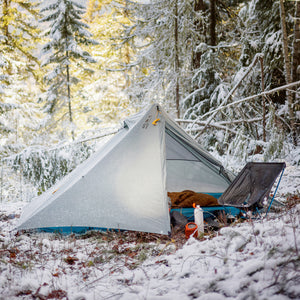
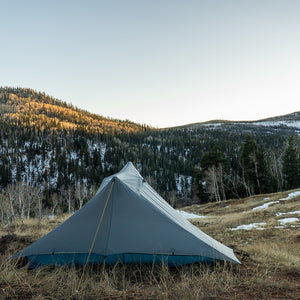
[00:27:49] Jesse: No. I actually, I will because legitimately a two, two standout piece of gear that really stood out and they kind of, you know, my appreciation for both of them switched because at the start, Yeah. Anyways, long story short was my tent. I was using the Durst and gear, X-Men, 1 person tent, which is kind of a newer tent to the market. Not for those of people who know it. They'll know it
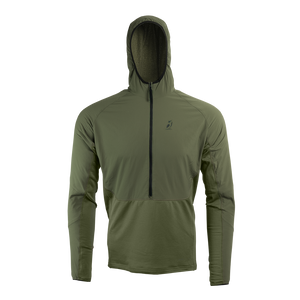
[00:28:16] Jesse: and for those people who don't, they probably never heard of it, but it's just a really excellently designed one person tent and I love that tent. So really that's stood out to me, but it was a really hot summer. So for the majority of first half of the summer, I was just in nothing but a son, hoodie that I was using. And so, then towards the second half, it started getting a
[00:28:43] Jesse: little chillier and in that early August and I brought out the old Ventus, which I Flip in love, just think. Not enough people know or care about the Ventus, but it is it just out Sean. And so I would say if everything Concluded. The Ventus became my favorite piece of gear on the trails for passing, the tent, just because of how essential as a piece it came for the second half. Yeah,
[00:29:12] Jesse: I guess my tent is pretty essential to but just I used it every day. It was so nice. He walking through, you know, wet Willows and getting them brushing up against me and I'm getting wet, but still warm. And I was never concerned with getting wet in the benches because it just, it dries out. Just so So fast. It's it's insane. How fast it dries out. So it became one of the
[00:29:36] Jesse: key Pieces. Raining a little bit. Don't care about taking stopping taking off my backpack, throwing all my rain gear. You know, there was a time where I was hiking with some other people and they were putting on the reindeer. I'm just like You know, unless it's a downpour, I rarely wore my, my rain jacket that I brought. So, I just and then again, on the high mountain ridges, winds, picking up, it's,
[00:29:58] Jesse: it's howling up there, and I've just got the Ventus and I'm I'm happy as a pig in mud. So anyways I do I love the dentist. I think it's an excellent piece. I think it's one of those. It's a weird piece that I don't think. people understand what it's like until they get it and put it on and they're like, well, this is totally not what I was expecting so that's by
[00:30:22] Jesse: far one of my favorite pieces of Gears from the trail
[00:30:26] Tayson: Yeah, I don't like too hard. Yeah, we don't have enough inventory for that.
[00:30:31] Jesse: I mean, it was okay. No, just, yeah,
[00:30:35] Tayson: no. It's, it's been a really cool piece to see get rolled out because the demand wants to started to get people's hands shot up really unexpectedly for us. And so, we've been Been doing our best to get as many of them on the way as we can or not. But it does kind of beg. The question, it sounds like you're kind of having to switch out some gear. What do you feel
[00:30:57] Tayson: like your pack weight started at? When you started that trail? Did you weigh your pack or know what you're kind of starting that trail with.
[00:31:04] Jesse: Yeah. So I'm trying to remember exactly and I'm assuming you mean base weight. Not like I could give you my total pack. Yeah, so I waited throughout the time. I don't know if I weighed my base weight mid Trail. It did change a little bit but I started out fairly heavy. Probably have your then then. Most people would expect, but one of the big things that you need on the GTS, just
[00:31:27] Jesse: a plethora of clothing. I did end up actually bounce boxing. Some stuff ahead of me because it was like, I don't need these leggings thermals, because it's just so hot at the beginning. But yeah, so I started just under 20 pounds. So I think, like, 19 and
[00:31:43] Tayson: and change now. So with food and water or about food, and water
[00:31:47] Jesse: know that was helpful and water and so it was like it was a little little heavy. I was, you know, it's funny, you get every type on the gdt, you know, I passed by some people and they're like massive like Horse packs on their Banner 100 liter. Yeah, yeah, exactly. And then there's other people who've got like a knapsack and it's just like, how do you have everything in there that you
[00:32:11] Jesse: need? But yeah so for me, I started I was kind of in that mid-range which is like generally speaking. How like I can go lower in the Canadian Rockies, it's pretty hard to go lower than than 15 pounds. You can, there's some people who go down to 10 pounds, but just because of the temperature, you're, you're always looking at a little bit of a warmer setup, and that's what adds the weight.
[00:32:34] Jesse: So, yeah, I had extra clothing that I ended up bouncing up ahead. So I probably at the lightest, probably down to about 17 pounds, I could maybe stay lower, but I can't guarantee that. So, that was probably so
[00:32:49] Tayson: two things on here. One, a lot of times people look at base weights, they do like, like these guys are 10 pounds like you because yeah, that's like a 45 degree quilt with like a son hoodie. And you know, I mean like They don't need anything right as far as layers. So sometimes they missed that, but what did you lose? Like what did you get out on the show? Like, I don't
[00:33:08] Tayson: need this, I don't need this, but there's three pounds left. Basically is what you said that you decided you didn't need by the end, right?
[00:33:14] Jesse: Yeah, that's a great question. Um, I'm gonna have to like I wouldn't say that I didn't need them because I did bring some of those pieces back. The biggest one was I had a pretty bulky set of leggings of like
[00:33:29] Tayson: The police or something.
[00:33:31] Jesse: Yeah, there we go. Fleece leggings, so fleece. Leggings, I actually ended up putting both my direct. I had Dragon wool and leggings. So I had both of those because I wanted my dragon wool to be my hiking leggings and I wanted my thermal the fleece leggings to be my sleeping leggings, if I needed those. So I ended up bouncing both of those up and right there that was probably almost a pound
[00:33:52] Jesse: their my dragon will hoodie. I bounced ahead. So it's almost all clothing trying to think if there's a few other little things like I had a cozy for my pot. That I got rid of I had
[00:34:08] Tayson: I'm just trying to think and you're like Hydro Flask, you know, double walls? Yeah, no, yeah. That's
[00:34:14] Jesse: still. Yeah, clothing. And I'm sorry, I'm drawing up like this. Some of the other things, well, but I
[00:34:25] Tayson: think more could come up just actually started. The story. I do want to like here, though, like, you're starting this Trail, like you're literally Starting day one of this dream hike, you're you're an incredibly positive person so I'm sure you're just beaming from here to here but like really what's what's going on behind? Like your your big smile there like as you're starting this Trail?
[00:34:25] Jesse: Oh yeah, that's yeah,
[00:34:51] Jesse: you're calling me out. You're calling me out day. One was rough to be on 100% on us, one of the things. So on about generally speaking, on about day, three is how most they two or three. Depending on how you hit it. You come out who lets and it's kind of this, this first really hard mounted. But what I've kind of come to realize is that there's another Mountain that you climb
[00:35:17] Jesse: before that, and it's the emotional mountain, and it's like, T-minus day one and two minus day, one and day Zero, where you're like, emotionally all the sudden, like, I'm starting this. I'm actually doing this and in typical Jeffy, leave thing too many things for the last minute. So we had gone me and my girlfriend and now fiance, but a girlfriend at the time and her brother and sister and brother-in-law, went camping.
[00:35:44] Jesse: And so I hadn't fully loaded up. My backpack, I had brought a big box of the bunch of things and we had to drop off some of our supply boxes on the way. And so day one, I'm actually packing my backpack. And I'm packing up food. This is the first time I've put all my food in my backpack, for some time, I put all my food in my ursack and it barely
[00:36:08] Jesse: fits and Okay. Oh man. So this is technically day two day. One was we went to the border, the US border and back. It's a 12 kilometer, you know. So whatever.
[00:36:20] Jesse: That's like six less seven. Eight mile eight to 10. Mile hike. I can't remember my conversions there and less than that. Probably, eight mile hike and then you come back to this little Township campsite area. So that was technically day one, but day, two, which is I'm actually heading into the backcountry for the first legitimate time on packing everything in, and we had used my chemistry show for some hot chocolate at
[00:36:44] Jesse: camp. And so, as we're packing Insanity of having like this total yard sale and me trying to fit everything in there and like the jet. No Pride. I like I cried a couple times where I'm like, I don't know what I'm doing. Babe, like, what have I gotten myself into? I could barely fit my food in here. Oh, Part about that. Yeah, Comedy of Errors. So I had heard that parmesan cheese
[00:37:12] Jesse: is great because it lasts bring parmesan cheese on the trail. So I had taken this big block of Parmesan cheese, cut it all up, wrapped it in. Saran, Wrap through it in my food boxes, it was in the middle of a heat wave and over that three days of camping, those parmesan cheeses. Their oil over all my food.
[00:37:34] Jesse: So we are packing up. We are going into the Outhouse like the bathrooms there. They have a faucet washing, my Peak refuel bags off because they just smell like parmesan cheese and I'm heading into the grizzly territory. Yeah,
[00:37:49] Tayson: you're you're in the heart of grizzly country. Yeah.
[00:37:52] Jesse: Finally, get to Camp that night and I think pick up there and I set up everything and I get down to eat. And, and as we were packing things up earlier that day, I had two casters and one we had used for camping. So it was partially used. So I had put it with the camping stuff and I pulled out another canister and in the midst of packing, everything up I found
[00:38:16] Jesse: this canister was like oh this was our camping canister here, baby can put this in the car and so I get to camp on day one. Ready to eat meal. Pull out my stove. No fuel. I put my fuel. With their. I'm starting a seven-day leg or six. Yeah. Seven day leg with no fuel. I had. And this the catchphrase of backcountry forward is keep moving forward. And I had this word
[00:38:46] Jesse: that I had for all of last year. It's a Greek word called, and it's Hoopa Monet and it means
[00:38:52] Jesse: endurance. It's often translated endurance, but not the kind of like, great your teeth and just push through kind of endurance. It's actually, it's the idea of optimistic positive endurance. I always say endurance with a smile. It's hopeful optimistic endurance,
[00:39:08] Jesse: sometimes it's used for this idea of patience, but like positive patients, waiting patiently, enduring patiently, and so that was kind of my word for the trail. And so, I'm just at my first camp and I'm like, Oh Hoopa, Monet. Fortunately, there was some campers who were
[00:39:24] Jesse: hiking out the other direction and I thought I just got a swollen, my pride and and they were already set up and they were leaving the next day. So I went over to them. Like, I don't have fuel. I'm starting this through. Do you guys have any a spare canister fuel or something? Guys, I have a whole fuel catastrophe. I didn't even use yet and it's like one of the big ones,
[00:39:46] Jesse: but I'm like, whatever. All right. So honestly, that was that first day was emotional. I I was I was pretty distraught, the first. My first day, I prepared for five years and now I feel ill prepared. Like
[00:40:01] Tayson: yeah. What's going on? And
[00:40:03] Jesse: that was the question of the whole. Yeah. Shook the whole like weeks leading up to it was this constant like what have I got myself. In
[00:40:10] Jesse: do what have I got? Am I do I have what it takes to come? I'm a Fool. If I think that I have what it takes and and you know people who have done this Trail like this is considered one of the most rugged trails in North America. And people who have done this Trail, I three years ago a lady who's done 10 through hikes. She's done the Triple Crown twice and
[00:40:33] Jesse: she's gonna bunch of other International through and she did the GDP. She goes it and she said by far it's the hardest through like she's ever hyped and I'm like and I'm little little me starting this thing what if I got myself into but that's just goes to show. It's a testament of like I think one of the most important things that you don't pack on the trail, but that you have
[00:40:51] Jesse: to have is the right mindset and when you're doing a Long Trail mindset is everything and I said, actually on the gdt page, it was encouraging. Some people who were doing this year, I said you can hike a lot further with broken shoes. Then you can with a broken spirit. because if you have a bad attitude or broken Spirit, you're just down and you just it doesn't matter if everything is going
[00:41:15] Jesse: right you you'll you'll give up. But if you've got the attitude that says, hey I'm keep moving forward, Hoopa Monet, you know, I just got to get through another day. What's the, what's the positive in this moment? You know what's the Plus, what's the pro? And that was something I often had to ask myself, is like, why am I, what am I happy about? What's the next thing that's coming? That's going
[00:41:35] Jesse: to be beautiful about today and it got me through a whole lot of garbage.
[00:41:40] Joe: Well, speaking of garbage, well, what are some of your lowest lows and and maybe we can reverse that with their. What's your lowest low of the trip in the highest high.
[00:41:52] Jesse: Yeah. So um The lowest low. I'm gonna throw in a third one too. Just if I make because there's also the hardest hard. Okay
[00:42:00] Jesse: which is different than the lowest low because the hardest part was also one of the bestest best but the lowest low was probably on that first section. So I started out Just Comedy of Errors, right? That first day was rough. The first day or the second day was a fairly short day, it was only about 14 kilometers, so that's 10 just under 10 miles, not much. And, and had under know, had
[00:42:32] Jesse: three 3,000 feet of elevation gain, not much and And yet I was beat, I was exhausted. And I knew the next day. I had to double that. I had almost twice as much elevation and almost twice as much distance because I couldn't get a campsite book. So I had to go an extra long distance and I was I was just here. It is Day. End of day two. I'm exhausted, and I've
[00:43:00] Jesse: got to do twice what I did today. And that was also the day where I discovered that I had a major gear issue which was that my backpack, the frame had kind of pushed through the bottom of my backpack. That was totally a, my issue. There's this little slot that you're supposed to slide the frame into and it has not little pocket and I missed that little pocket. So it was just
[00:43:25] Jesse: the frame. The metal rod was just rubbing against the exterior of the backpack and pushed right through. And so I spent that night trying to duct tape it and watered it all together and I thought I had fixed it but I was I literally sat at the table, just again like what have I got myself into? I've got to do twice the distance tomorrow that I did today. I'm exhausted and my
[00:43:49] Jesse: backpack's broken. And so so on the note of that was probably one of the lowest lows and the next day I got through, I did get through that day and that was probably the highest high was. I honestly started that day thinking, I don't know if I can do this and I might have to Camp early ahead of where I was. I might have to break the law technically and caps and
[00:44:11] Jesse: place else. I don't know if I'll be able to do it. I was really cool. Is how? I don't know if I should spoil this for those who watch the video but whatever, probably not any will but I get to this point actually where there's an extra Camp pad at a campsite earlier and a couple say, hey, we don't need this Camp pad. We booked it. You can stay here and I
[00:44:31] Jesse: said to myself, no, I've got to push this day because I gotta prove to myself that I can do this. And so I I push and I get that campsite at like, 9:30 10:00 at night. And that was just like, I did this, I can do the Great Divide Trail and, and probably the next day I get to table, or get to camp and my backpack that Patchwork job that I had
[00:44:57] Jesse: done falls apart. Just epically my shoulders have been hurting me. And so I'm like, what's going on? Look at my backpack and the next day after that is this lock who let Peak. It's this huge Peak everyone talks about it. It's the infamous challenge that you just got to go up Heath Street slow. And, and so my spirit at the end of that day I was I had to walk out to
[00:45:19] Jesse: a little Resort town and Decide what I was going to do whether or not I was going to go forward whether or not I was trying to get a new backpack. What? That was gonna look like and I got to this little hostile and that that because was kind of one of the lowest points where I was like here I am not even a week. Done. And it's been a comedy of
[00:45:38] Jesse: errors, and am I gonna am I gonna push on and Ironically didn't know the answer at that moment, but then just everything came together. I met some, some acquaintances that were friends of friends that I happen to meet once before at a wedding and we got along so well and they happened to live in the area. They a friend of my friend reached out to them because he's their friend they came
[00:46:02] Jesse: pick me up I got my backpack up back on trail that day and continued on and finish that section. So that was it was just a roller coaster of a ride for that first section. And so that was that was a really tough but on that note of the highs getting to that Twin Lakes Campground on that night. The second, you know, Third Day, their third night of being like I wasn't
[00:46:23] Jesse: sure if I could even do that day and getting there. I remember like recording myself being like I can do this. I just I just did that I can do the Great Divide Trail. And that was, that was super high. The other, the other high of the high that I'll never forget is I alluded to it earlier is that moment of standing at Palace or Valley? That first point that I went
[00:46:44] Jesse: backpacking on my first ever backpacking trip? And remember and I cried at that moment and made a little video for my dad because in so many ways, my dad had fostered so much of my love for adventure and standing. There thinking, I wanted to keep moving forward. The first time I got here and now I can and so hike down. So those are those are two highlights I'll never forget you know
[00:47:09] Jesse: just this huge amount of self-confidence building and in determination.
[00:47:14] Joe: Wow. Well we're we're about five minutes away from our time.
[00:47:20] Tayson: Thanks so much for listening to the story.
[00:47:23] Joe: No, no, you're a wonderful Storyteller. This is amazing. Which we had twice as much time to be able to pick your brain. I guess. Real quick. You know, was it worth it? Are you considering doing like another through hike like this?
[00:47:40] Jesse: Was it worth it? Yes, I had this phrase that I coined on the trail and I said The Great Divide Trail will challenge you, it will push you to your limits and then we'll demand more But it is also so incredibly worth the experiences along the way and that challenge just is so worth everything. The confidence that I built the summer the resilience it's literally changed my life and I love it.
[00:48:11] Jesse: And so am I going to do another big through hike? One of the big lessons that kind of learned on the trail was Probably not in that typical sense. I'd love, you know there's ideas of doing like the PCT. Maybe one day. I'd really like to do the JMT and the GMT seems short now in comparison to the GD. But I love to do some longer Trails like that and do some
[00:48:34] Jesse: explorative Trails. There's there's new sections, even along the GDP or past the GDP that people are talking about exploring and creating a route that goes further, I'd love to do some of those things. And one day, I'd really love to do the GDP again. And I think when I retire, or maybe just when I'm older and empty, Nestor I'll go back and I'll do the gdt again.
[00:48:34] Joe: Well, what are you working
[00:48:55] Joe: on next?
[00:48:55] Jesse: yeah, right now, the big thing that I'm working on Is the gdt video series that has been? A journey I have over 10,000 video files or files. I should say that I am your face. Yeah, you're the editor. So you you understand and I'm working with an editor and and so that's just been yeah. It's been a journey of even working together and learning learning how to do that. There's
[00:49:28] Jesse: been some miscommunications and misunderstandings that we've had to kind of reconsider and work through anyways. I won't get into all of that. That's the big thing that I'm working on is I want to wrap up the gdt series and and then a whole bunch of videos that go with that. I'm getting married which I'm still about this year,
[00:49:46] Tayson: I'm married on that.