Tayson: Hey everybody welcome back to the Live Ultralight podcast powered by Outdoor Vitals today we have a very special guest on who I'm very excited to introduce but if you are new to the podcast this podcast is all about helping you lighten your pack and build your confidence so that you can start living a life full of Adventure really our goal is to get you outside more comfortably and more confidently so if you're new and you like this kind of content make sure you do subscribe but today this is going to be all about a conversation I had with Craig Adams who's a filmmaker hiker and minimalist living in Denver Colorado he's best known for Craig Adams YouTube channel which is where he documents his life and his travels all around the world he's been pretty.
Tayson: Much everywhere as the time this recording has over 717 000 subscribers and millions of views we're honored to have him on the podcast today and talk about backpacking storytelling filmmaking and all sorts of things um this was a great conversation to have Craig is a wealth of information I love his approach to life to his Focus what's important to him I think there's a lot of things that that you our listeners can pull out of this so buckle up listen to this one all the way to the end there's all sorts of stories and tips and tricks in here so with that we'll go ahead and roll this interview all right Craig I'm super excited to have you on here I've uh watched your videos for a long time I would say they're quite therapeutic.
Tayson: At times just to turn on and enjoy and um just feel like you're that you're there for a minute out in the woods but I think one of the first questions I wanted to ask you is when we watch Someone Like You Craig you're you're just so like streamlined like you've got your systems down you're like hitting pretty good mileages which I do want to talk about um you know you're very efficient with your gear is backpacking something you've always done.
Kraig: No I would say I've been backpacking for about three years now starting with like uh out of nowhere solo trip to Peru and ever since then I've been doing it a lot probably more than average so I've probably gotten better very quickly but no just about three years now.
Tayson: So that Peru trip that you just mentioned um that you have like anxiety is going into that or did you just feel calm and.
Kraig: Cool and collected or yeah I definitely over researched and didn't find all of the answers I was looking for uh it's weird reflecting back on like my mindset on those first hikes because I didn't know about filtering water I didn't really know about food temperature clothing like I over packed like all of the common mistakes we make so it's kind of funny looking back I was a bit worried and there's definitely you know I was I didn't have any sun protection so I definitely got sunburned just silly things.
Tayson: Yeah um like why why Peru and why that like out of the blue like most people would be like I'm gonna go backpack you know around the corner for my house you know what I mean as close as they can do kind of ShakeOut trip get comfortable with things was it just you were so focused on like the destination or what what drove you to to do an international backpacking trip first thing yeah I had.
Kraig: Been to Machu Picchu before so I felt a little bit more comfortable in Peru but around that time I was making videos about trips and I was just having fun going around the world and just exploring cultures and getting better more confident at traveling in general and I'm like why not tackle tack on a hike to this trip to making me like more fun I guess to get away from the city get away from people and just like get into nature um yeah it seemed interesting and it definitely became more of what I was up to like the best way to travel is to hike in my opinion.
Tayson: Why do you why do you say that.
Kraig: Yeah to get away from people I'm definitely an introvert so it's just like overwhelming sometimes to land in a city like I don't know any major city like it feels overwhelming so I always feel comfortable once I get to the small town like the trailhead town outside of big cities when I travel so you know you fly into Peru it's lima lima is a big city pretty crazy speak a different language different food it's hard to get around different money but once you take like the bus ride or whatever to Cusco it's a little better but like once you get to a Trailhead Town that's outside of Cusco or wherever you're going it just like is more manageable and just makes me feel better more more comfortable.
Tayson: Less coming at you is fast and so is is that part of why you do so many like solo hiking Adventures I mean obviously on a schedule like yours it'd be impossible to have someone come with you all the time right they'd have to be essentially your videographer while you're on camera or something you know what I mean like you'd have to be paying them because you you do so much travel but but do you gravitate towards solo trips yeah personally I like the solo.
Kraig: Aspect um it's just more fun I really like to go my own speed I like to just have all the responsibility and for a lot of these trips I'm pushing my limits to kind of suffer a little bit with the pain of extra distance you know packing just the bare minimum so if I'm cold a little bit or just a little tiny underprepared you know I can deal with it but putting someone else through that and then being responsible for them as the leader for the hike would just be extra stress and it's just easier to make a video by myself to be honest.
Tayson: Yeah like your headspace is just there all the time right you're you're yeah I don't have to ask for.
Kraig: Anyone's permission to do anything I don't have to tell anyone that I'm stopping to get this shot I just execute and do it and it's actually relaxing in that way you know it's definitely stress inducing to just involve people and more responsibility with these trips so I've done both though you know this is the first year that I did some group trips some trips with my brother and trips with my wife and uh I'll definitely scale it back and go back to my roots and be a little more solo with my trips for 2023 probably.
Tayson: I I want to hear about that um because I've I've watched some of your group um trips you know having sign ups and different things there and I thought that was pretty fascinating right I mean I think you had quite a few from what I what I saw um as far as just you have people going signing up for a trip and you've got a tour guide and you're kind of partnering up with that tour guide to pull it off and um I imagine you're you might be making a little bit of money off of that or at least getting your your travel comped you know and um so it seems from a business perspective that seems like a really solid way to go about it right too good to be true yeah.
Kraig: It was a big test and I've come out the other side not wanting to do it as much but I knew it was out of my comfort zone you know like yeah it's such a silly thing to go on a group hike with the guy who hikes alone first and foremost um but you know I did it I'm glad I did it that's why I did so many you know just to throw myself into the fire and there was a couple different group trips one was you know some were more tame so sightseeing uh and some were more intense hiking and one was trail running so you know all three different types I guess and yeah I definitely want to just go on smaller hikes with maybe other creators who are absolutely my speed and. Other than that you know it's it would take a lot of incentive for me to do like a big hike somewhere with you know any kind of subscriber.
Tayson: Yeah yeah um what is your speed Craig.
Kraig: Yeah it's fast I like to go fast um like to be efficient um it's funny because like I was just hiking by myself and I didn't really understand I guess there's always someone faster and always someone slower so it doesn't matter but it is painful to go slow it's really really painful to get to Camp at 12 or 1 and sit around for five or six hours waiting for the next day it's really painful to take multiple breaks um yeah yeah I just want to be selfish when I can go my own speed.
Tayson: Yeah yeah I I got into trail running um a year and a half ago and that really moved the needle for me just in hiking as far as like what I was capable of and what was comfortable and just this last summer I I went out to uh kind of your neck of the woods in Colorado now um and was doing some hiking and my brother just wasn't holding the same Pace as I was and so I was trying to go slow with them and um eventually at the end of the day he's like dude just go go up to camp and like you know and he wasn't even going that much slower but the interesting what the interesting thing was when I when I finished the day we'd hiked like 13 or 14 miles.
Tayson: And I was like why am I this exhausted like usually we do 2025 in the High Country like we were in and you know I just thought about that I'm like you know so much of it has to do with just time on feet I think so when you're going slow just going like hiking slow or hiking fast whatever's comfortable to you I think that it's not like hiking slow is just significantly easier you're still on your feet with your backpack on this you know now you've just lengthened that time and that kind of caught me off guard this summer so hiking or slowing things down um would be would would I think be interesting in that sense but also I I don't know what I would do getting to Camp that early yeah yeah. And there's.
Kraig: You know every every person's way of doing it is the correct way but I like to you know put some effort and sweat a little bit some people don't like to sweat when they hike which is funny to me you know they go they go the speed the maximum speed before they sweat so.
Tayson: Yeah that would be like half a mile an hour for me I uh yeah produce some significant sweat and it proves to be challenging for hydration on the other end of that but I'm gonna ask you kind of a silly question but um I don't know probably a year ago or something like that I remember watching something from yours and I think you mentioned your height and uh I've always found it funny because when people meet me one of the first things they'll always say is like whoa you're taller than I thought you know you're taller than I thought but you're you're pretty tall guy too right yeah I get the same thing.
Kraig: It's always surprising I don't know why that is almost every single person says that yeah.
Tayson: I I wondered if you got the same thing um they just get this idea of of what you look like and who you are from the videos and like it's immediately jarring when that's broken you know yeah so pulling it back just to you you go on this first trip you I imagine you filmed it because you were you were doing filmmaking well before you ever started hiking to my knowledge and um so what was your poll to to doing this type of a video or or to moving in this direction was it sure purely like you were just vlogging at this point and then you saw this opportunity or was it like like from the very beginning did you have a really clear path of what you thought you could create in filmmaking yeah. The priority was me going on trips.
Kraig: That I wanted to go on so I was just visiting places and doing things that I thought was cool and interesting and then just happening just like documenting that process and vlogging especially the trips and the hiking I didn't really know anything about hiking videos in general um uh you know just sharing the experience is just documentation that's easy but when I made the guide aspect you know the actual value for helping people go on the same hike or do the the research for them you know uh I definitely tried to share things that I wish I had when I was researching the hikes so whether that's the trail where food is where water is like the gear that you need the temperature when you should go um so like I started to dive into.
Kraig: Trying to make better videos higher value videos for hikers um but I didn't really like latch on to the hiking genre until the hornstrender Iceland video kind of blew up because before that point it was just me documenting and doing what I want and happen just just putting it online but after that I finally saw it as you know an experienced product you know I'm going out there I'm creating a product packaging it nicely with a bow and then putting on YouTube to deliver it to people there's some aspect of Escape you know entertainment people who don't really plan on going on these hikes but just want to be entertained um but I think that's a small amount compared to the people who are researching with YouTube to try to figure out how they should.
Kraig: Travel where they should go and to be safe and have fun with it um so after that I started producing you know experience products at that point you know go do this hike here go do this hike here making sure to have like a diverse menu of different hikes all over the world different climates different types of hikes um I've definitely scaled back a little bit I'm getting back more towards shooting what I want to make um and just putting it online and whoever watches it watches it but the you know the last two years has been pretty hardcore you know hiking experience product filmmaking.
Tayson: Yeah I mean you've you've maintained a very rigorous schedule to put out the content that you've you've been putting out um when you introduce that guide aspect to your trips.
Tayson: Um did you see like a lift in in views or duration or something that like helped you know that that was a path you wanted to continue to pursue.
Kraig: Um yeah it for me it was always optional on top you know in a perfect world I would just do the things I want to do and document it in some way with video and then put that online the more POV the better but the actual value is like teaching people doing the research for them instead of everyone just always having to research the same hike over and over again on their own like I'll I'll make it dense and what you need to know in video form so you know that's that's where the real value is because it's like who cares about a person hiking around um it's like help me do the hike so yeah yeah.
Tayson: It's interesting it's like you sell you sell the hike to them and then you sell the information of how to go do the hike right so yeah that's where the actual.
Kraig: Work is and obviously I think that's just higher value like it's one thing to yeah just share What It's Like on trail just through my perspective it's another thing to like literally give the information to help people do that.
Tayson: Yeah what about like your your videos that are I want to say one of the First videos I ever had seen of yours was like three hour relaxing hiking video to study to or something like that right like is that something that you still produce or or not really.
Kraig: Yeah it's it's a funny idea um but I personally watch you know videos like that uh in the background so I thought you know I've got a bunch of one type of genre a video and it would kind of play well together just together I do plan on making another one this year and just tacking on got like 12 10 12 new videos that I can pull content from and just add it on to the front of the old video re-upload it and it might be like I don't know 10 hours at this point um wow why not you know it's a fun video it's like my thesis it's like a whole Year's worth of work into one video just a massive recap no I think that's I.
Tayson: Think it's a really unique idea and I think I think one of the things I appreciate the most um with your channel is it's kind of it's kind of silly but like inside of YouTube Right you've got so many like gear reviewers and kind of like one style of of uh of a channel and then you've got you that like you're you're backpacking but you're able to to do so in a way that gets massive amounts of attention massive amounts of viewership um through your your creativity I mean one of the things that I just always notice in yours is even just the sound right of like you walking on the gravel past the camera and like those types of touch points I think are are just incredible I mean obviously your your aerial shots.
Tayson: Off also are incredible but I think back a lot of times like what what encapsulates what you do it's like it is it's that like point of view it's the sound effects it's all of it that just puts you on trail with with the the minimalist and solo hiker Craig Adams you're there with you even though you're not right and I think you do a phenomenal job at that um I wanted to ask you a little bit about what like you you've you've said you know in your videos and in other areas just that you're minimalist why why does that matter to you to to be a minimalist.
Kraig: Yeah being a minimalist solves a lot of problems for me personally it pretty much just reshifts the focus lets me prioritize and only do things that matter to me and uh you know Place everything within a spectrum of value that it brings me um just helps me make more just better decisions yeah it solves a lot of problems in my life.
Tayson: Yeah yeah I find that one of the biggest benefits I get of of being outdoors is uh the perspective that it creates and it's really just like the ability to step away from technology step away from the noise of of work or or home or friends family anyone that needs you know different things or or just all those rules that you carry with you and so when you step Outdoors to me the easiest way to sum it up is it just allows you for a totally different perspective shift um I feel like what you're creating though with like your very conscious lifestyle like that is is to not just experience that Outdoors right like he like in some ways by you being able to strip back um the things and the noise around you I. Imagine I I just kind of have this Vision Craig and tell me if I'm wrong of you just like living this super Zen life all the time.
Kraig: Yeah I have a lot of freedom I've worked really hard to just have maximum amount of freedom and yeah I'm pretty chill yeah I barely work when I'm at home so I just relax and then pretty much only work when I travel these days and I try to do so on my own terms so it's been it's good yeah.
Tayson: Do you do you obviously you've worked hard though I mean you just mentioned that do you ever get bothered when people like just comment that like you have the best life you live the dream life or things like that where you're just like no like I've worked my butt off to get here.
Kraig: Um yeah if I saw that maybe if I you know we only get bothered by feedback from people if we believe it so I don't know if it would bother me I don't think it's a problem but yeah and honestly I just try to not pay attention to comments or look at them at all.
Tayson: Really he's just like no response to.
Kraig: Comments you do your thing people yeah I would say view view count and watch time is the amount is the best form of feedback that I want to receive and pay attention to and you know it's higher value feedback content if you get a a comment from someone or even more like an email or something like that like it's just you know a bigger denser more information filled version of feedback and I just it doesn't bring me much value so just try to tune it out.
Tayson: Yeah what do you think like pushed you to like how did how was there like a journey involved for you to go from or have you just always been able to to stay a very minimalist in your in your approach or very very have you always been good at like cutting out the noise or is that something that that you figured out and how did you go about doing that no it took a lot of time you.
Kraig: Know I've been doing YouTube for 10 years now pretty much and filmmaking in general for over that and yeah YouTube comments and just feedback and and the whole you know trying to make content that is expected of you or you think will do better rather than what you want to do you know it goes back and forth doing something that you want to do versus what's expected of you and I've gained more confidence over the years to be where I am right now you know I don't recommend anyone starting out to mimic my style of how I feed if how I interact with my community the content I create and even the manner in which you know I produce these videos so you know you're looking at over 10 years worth of work to this. Point so and it bothered me you know everything was I was I was a dumb kid back then you know I'm like 32 right now so I'm probably older than most people think so it's been a wild ride.
Tayson: I turned 32 on Sunday so we share that in common cheers um yeah so what do you think is a starting point for people I I I think what you have is very commendable and I think what you have is is a lot of Peace within yourself and I think that's I'm I know that doesn't come without you know conscious choices what like do you feel like to our listeners you would have anything to share First Steps things that you found like low-hinging fruit for people to get more in touch with themselves or.
Kraig: Yeah I would say you stay away from documentation and vlogging which is just me shooting what I'm up to and sharing it you know that's low value so think high value so how helpful can you be within the first minute or so and upload less but higher quality and then the second thing is just bootstrap off of already successful people so that is the quickest way to gain a audience to you know siphon off some from someone who already has a large one whether that's a collaboration that's you know happens with the person's consent or what I call like unconsented um collaborations so that's like making videos about people that's like you know a review of this person's blah blah blah reacting to someone else um like the top 10 law moments from this person. You know that that's kind of doing work for that bigger Creator and if you do work that's valuable to them they might share it and I think that's the quickest way that you're going to get some of their audience.
Tayson: Yeah yeah I think that's really interesting it's funny you say that because I just saw a video today I didn't like watch it but it was another Channel had said something like that had had tagged her name in their their video saying you know is this dangerous and I just had like like it was the idea of like going so light and so minimal like is this dangerous and it said something like Craig Adams in this and I was like that's really interesting but um even on a personal perspective though like how do you feel like what's the low hanging fruit for people to to slow their own lives down and get more perspective on their own personal lives you know be like if they wanted to take a step to be more of a. Minimalist or find more perspective in their life yeah.
Kraig: Um I definitely just started out of necessity to solve problems like feeling like I was out of control and didn't have much control in my life and wanted to go to the places that I wanted to go to I wanted to cut my expenses I wanted to um you know I felt distracted and Scattered and all over the place so it was interesting getting rid of things first you know what do I need what do I don't need and then that kind of forces you to think about like what you think what people think about you and how that affects you it's like do you have to wear certain things to have you know people think of you in a certain way like do you have to have a suit like do you have to.
Kraig: Wear this every day and then you know that allows you to move easier so then it's like do you have to be in a certain place like what are your obligations to people uh in a location and family and then being able to move quick means that you could think about where you know just like experiences like what type of Life do you want like and much it would be easier to like move in it to a different city or bounce around and be more nomadic at that point and you know just it Cascades once you once you think you've hit the bottom the rock bottom of minimalism life finds a way there's always something more you can get rid of and it's kind of fractal but eventually you know everything becomes normal so at. This point like just how I treat things relationships business say yes no to projects the things I own the things I don't accept you know it all seems kind of normal but I guess it is minimalistic yeah.
Tayson: Yeah um it's been interesting even here lately um we've been gravitating towards longer form content and some of that and as I've been pondering this more and more you know basically getting off of social media and stuff like that completely at times and you know just moving that direction it's like okay if I'm getting off social media because I don't feel like it's good for me maybe it's a business like why are we producing you know content on some of these platforms is that is that like projecting what we want to have happen or is that not and so we've we've moved I feel like a little bit more towards some longer form content that's been really good I think we're going to continue to do that because to me I feel like man the.
Tayson: Lowest singing fruit in my life has been to just get off of of social media you know what I mean take take breaks from it or just completely get off of it um and that's that's made a really big Improvement in my life I feel like just not filling up space that doesn't need to be filled up not filling up minutes with stuff that doesn't matter you know what I mean because I think I think it's just assigning a value to everything as you like talked about what your process there was very much calculated in every way right and you don't get to the level of Freedom per se in your life without.
Kraig: Being extremely calculated now are you thinking about like the consumption or the production of social media within your level well that's the thing is it's.
Tayson: Like if I'm if I'm feeling like in my life I want to reduce the consumption of it then as a business does that not reflect in the amount that we produce right if we feel like people would be better off with less consumption and and I'm particularly talking in my like I'm not saying filmmaking I made more talking like just just posting to post or shorter form videos that you know are we really giving enough value there that it's worth five you know like distracting someone from from the real life at hand the real life in front of them right so I think one of the things that we're moving towards more and more is just longer form content that really aligns with the purpose of our company and just cutting anything that's that doesn't.
Tayson: Have that doesn't tie into that a little bit you know and you know so for for one thing that hasn't necessarily been discussed too much but one thing I'd like to have happen is like YouTube shorts came on the scene YouTube shorts are incredibly addicting to consume as a consumer right like you can just it's tick tock right I mean you just scroll and scroll and scroll and but then you know the marketing department the smart guys that they're here you know they're putting out YouTube shorts and so it's like this conundrum for me where it's like as the business owner do we want to produce shorts or not because maybe like maybe fundamentally we don't believe in short form content being productive and good for society.
Kraig: Have you watched short videos that have been inspiring or positive in any way.
Tayson: For sure yeah they are there are you know so that that's like that's the thing though it's like there's there's good in everything there's bad and everything too right um I don't think it's up to us necessarily to to make decisions for other people's lives you know so it's just an interesting thing to think about as like I think it's just like you said like create the most value and and that's your filter probably in the end but yeah.
Kraig: And it's just the choice between what do you want to do and what is expected you know so if it's what you want to do you know go make some shorts but if you know you're trying to get views and make money with content and satisfy the needs of your audience you know that's expected so you have to try to anticipate that and create the best product in that way um yeah.
Tayson: Fun decisions fun things to analyze right well I wanna I wanna pivot just a little bit here and I want to talk about just like you so maybe some stories for Montreal um I can't imagine the stories that are undocumented that that like don't make it into your peaceful Zen hiking videos because not not always are hikes peaceful and Zen you know behind the curtain right I'm just curious if anything any stories or anything like that pop out to you and just like maybe this like scariest times or like where times got real or just anything um you know intense like that.
Kraig: Yeah as much as I try to they just like give an honest account of my trip and show everything there have been some aspects that I've shared or not shared mainly because it might be embarrassing or it was legitimately too dangerous to film like if my life was seriously in danger and I was still trying to get shots like what does that mean like getting that shot was more important than me not dying interesting uh so Mount Whitney is pretty gnarly especially when you go before the permits open up you know you can go up when it's still snowy and I forget what they're called but it's just like pretty much a ski slope when there's just like fresh urges snow going down smooth and it can be up it's pretty fun to slide down.
Kraig: Like the nice ones you know butt slide down snow but this one was uh like above the 100 switchbacks or whatever if anyone's ever done that hike and I decided to just like shortcut down by going down the snow turns out there was more ice and I think most people who do this every so often run into the situation where you know it seems like a nice shortcut to just slide down the mountain but it's like too good to be true and it turns out to be dangerous and takes way longer than if you like went the regular Trail and you can break poles and rip pants and just like not have a fun time and I didn't film any of that for that video I shot so you know that tells you how dangerous. That situation was.
Tayson: Yes are you like did you have a trekking pole like were you able to like dig that into the snow or something or yeah so I.
Kraig: Had no uh ice ax which was Dumb and I had micro spikes on and a trekking pole and I was using those like an ice ax and kicking steps the whole way um but yeah I broke tracking poles just because of the amount of usage and you know stress that was being put on those.
Tayson: Yeah that sounds like one of those situations you just start down it and you just it's almost like sometimes you get more Angry the farther you go because you're just it just gets worse and worse and worse yep um.
Kraig: I try to pretty pretty put a pretty uh hard limit on any type of Trail cutting anymore just because of that it's like the trail is where it is for a very specific reason 99 of the time you know but mistakes are how we learn pretty well but you know you don't want to gamble everything on a on a risk and I definitely gambled way too much on that one so learned the hard way the hardest way probably almost dying and then yeah and and then just you know sometimes there will just be tracks that I go on in international countries that just have different roles than what I'm used to to be honest like I try to skirt around the rules and like do extra miles if I can go sleep in Wilderness without.
Kraig: A permit or just like do X or Y to just you know go go have the experience that I want um you know in a safe and sustainable way but um there have been times like for Patagonia like I remember going on the o circuit and uh hiking probably 15 miles and arriving at a checkpoint and they're like where is your permit for this and I was like I don't have one they sent me all the way back so I had to do like 30 miles because I was expecting to Camp there so I I might have slept at some point but I just did a ridiculous amount of miles after taking like a two-hour bus ride so then I had to take the two-hour bus ride back get the permit another two hour bus.
Kraig: Ride the next day go and Hike that same stretch and then show up with my permit the correct way but just dumb mistakes like that are just too embarrassing to show like I could but um if people watch that video there are a couple clips for that section where the weather kinda changes so I picked the best clips from that same stretch where I went twice so and I never really talked about that but if anyone goes back to watch that Patagonia video it might be a little funny for the the first two minutes yeah has there been a hike in particular.
Tayson: Where you felt like you were the most isolated like you're just so far from anyone or anything and um was a different experience in that way.
Kraig: Um yeah starting out when I did horn strand deer Iceland like it was near the Arctic Circle top of Iceland I'd never heard of it and I probably didn't see a single person for maybe two and a half days which was interesting like that was the first time that had ever happened to me and um like I didn't really understand how I would save myself if I got injured or ran out of food like I just you know wasn't as prepared back in the day and it was very isolated and yeah it was very cool I liked it.
Tayson: Yeah what about um I'm fascinated with Alaska you know it's just a little bit more accessible and and whatnot um you went and hiked 100 miles in Alaska was that on like a designated route or is that a route that you piece together.
Kraig: Yeah I pieces together two routes and the second half was not something anyone should be hiking it was very overgrown like some trails get over overgrown but in Alaska that is to another degree you know it's couch is covered with bears and it was like flooded so I had never been on a trail that flooded so much where I there was no Trail so you kind of like once the water gets above the water like the ground like you're on your own it's the same thing with snow kind of if there's no previous hikers before you it's just fresh it's vanilla and I got lost a bit and thank God for like the GPS all Trails map that I had on my phone like otherwise I would have legit been lost but I had to.
Kraig: Cross some Rivers which is you know the dumbest thing you know you don't know where you are you're off Trail you're by yourself there are bears you have limited food and you're like holding your pack above your head when you cross rushing Rivers and yeah I think that's the most dangerous thing like and I didn't film that at all once again tells you how dangerous it was there were plenty of like little stream and kind of medium-sized rivers that I crossed like waist high in the video but the last one I did before I hopped off Trail was you know up to Nick so pack overhead swimming you know feet off the ground at one point and I didn't even put my drone up to just hover and document it in any way just because. I was like Survival Mode no filmmaking just get through it.
Tayson: Right that that honestly sounds terrifying to me um for two two reasons right I mean I've I have heard many a story where people get swept down you know by river and um you know that's why you should always be on unbuckling your pack and things like that um if you're not aware of those situations but yeah I mean in Alaska that is that's a real thing that happens yearly you know people getting swept away and so that is quite terrifying um but also the bear aspect where are you bumping in I mean if you're going through like like yeah thick thick stuff you've got to be bumping into Bear right.
Kraig: Yeah just Alaska is so different when it comes to Bears there's so many of them like if you go on a uh just any kind of little hike even just outside of town like most like pretty much everyone has a gun on them so for this hike I had bear spray and a flare so the flare was my gun um and I saw like I ran into Bears on the trail had one follow me in the little canoe that I had had one Circle the cabin that I was sleeping at and then I just saw them every so often so you know it was I was just like any like if it happens it happens I don't know.
Tayson: Yeah they say that the like the Marine flares are like really really effective like when you light them off right they they make a loud noise and then they're bright and but yeah I I when I was in Alaska and I and I came to come back home I was like well like we like I went to like give my bear spray to someone and it was like yeah add it to the bucket and there's like 30 cans there and I'm like ah so I decided to just like go go shoot it off just to see what it was like and I was thoroughly unimpressed yeah I was like this is what it is that's a little concerning but.
Kraig: Yeah most people there don't like even entertain bear spray as an option you know Flair Oregon at that point so um yeah once again doing stupid things that I should have known better so when I instruct people about the hikes that I go on it is always helpful to you know help them out and do the research on how they can do it safely and have fun so you know yeah.
Tayson: Um talk to me a little bit about like your gear you know when you very first started um you said that you over packed on gear and you've been able to you know streamline that sense um do you have anything that you feel like has been over the over the three years I guess you've been backpacking is there specific types of gear or anything like that that has really allowed you to has worked better with your style.
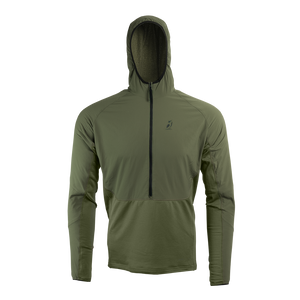
Kraig: Yeah the sun hoodie is something that I probably wouldn't have gotten to on my own so my brother showed me that and uh yeah like sudden protection is a big thing that people Overlook and there's so much high elevation hiking and at high elevation you get roasted yeah and then the first hike that people do in the snow at high elevation is a rude awakening because you get sunburn in places that you never expected uh so I take that way more seriously now just sun protection and like it's amazing to see some what I expect to be new hikers or unexperienced hikers just going out on trails with just Exposed Skin and they just look red and it just baffles me I don't know and then you know that that has to do with you.
Kraig: Like if I go hiking and just have a sun hoodie that's probably like the only shirt I have so just cuts down on weight um then just layer on top of that um the shoes you know I got blisters and stuff like that at the beginning with hiking boots and switched to Trail Runners that helped me out a bit and then you know I've just slowly been finding the the shoes that allow me to go fast have some traction and never give me blisters yeah it's kind of hard to look back but I'll probably make the last gear video this year I kind of want to switch away from like talking about gear um more I've taken us a step back but I I don't want to be really uploading like Gear videos so we'll. See I I think I've.
Tayson: Only ever seen you even do one um um I but you know I'm sure you've done more than that but are you a uh top quilt or sleeping bag guy.
Kraig: Um so I've got quilts.
Tayson: Later yeah what what about trekking pole tent versus like a freestanding.
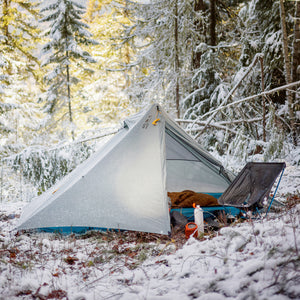
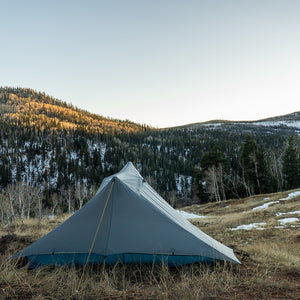
Kraig: Yeah I've been using the Nemo Hornet one person forever uh so sometimes I don't have trekking poles you know I've recently switched to iPhone only but I still have a tripod I haven't really done like a tripod film in a while it's all been handheld group hikes and whatnot trail running um so if I have a tripod in hand I can't really have trekking poles unless I take extra time to put it away take it out so in a perfect world I would have trekking pools yeah makes me faster so I you know have to have a poll for my tent I guess.
Tayson: You're only taking an iPhone now.
Kraig: Yeah it's always yeah I've switched everything to just iPhone yeah.
Tayson: That I I'm baffled at that I guess um what's the what's the thought behind that I mean like what what I mean a guy like you like your quality is is so high you've got a very high precedence already it seems like we're just capturing amazing quality so um what's the what's the Thought or what yeah what's going on with that yeah it's.
Kraig: Much easier it'll be quicker and easier to just film everything and lighter and I could probably do more handheld Maybe it just I don't have to worry about audio because like there's just the microphone on the camera so whatever it gets it gets I don't have to think about it it's all auto and then like the video is all auto pretty much unless I lock in an exposure but it just uh you know is making the decisions for me and it's getting better and better at doing that so why not automate and offload that decision-making process and uh I think having the camera with me all the time allows me to get better shots um whether it's vlogging going on a trip or hiking um I'm still pairing it with the Drone for now so. There's I think the Drone footage looks closer to the iPhone footage so here's like a little bit of overlap with those two video qualities um but yeah and I think the iPhone mobile ask the filmmaking is just going to keep getting better and better at a faster rate than mirrored and lens cameras so I just feel like I'm picking aside for the future.
Tayson: Yeah do you like if you were just to I don't know throw out a number if like uh your old setup was was a hundred percent quality like how much did you drop to to make that switch to be able to capture more like I get the idea of like having with you all the time capturing more all that makes perfect sense to me but it was there do you feel like there is a drop in the quality yeah I'd say.
Kraig: It's different because there's obviously the low light is the bottle like the the trouble area for mobile right now so the Sony cameras were just lovely because you could shoot in the dark pretty much and have high quality stuff but in good light I could probably fool most people uh with iPhone locked footage for Sony locked footage um and especially if people are watching at 720p on their desktop or on their phone which I have the stats you know like almost 50 percent of people are watching on their phone so does it really matter in the end.
Tayson: Yeah what like with audio too or are you pairing any kind of microphone with it.
Kraig: Or just just on board no the onboard works pretty well it's just the wind you know if it's windy I usually have to mute the audio but I think that's a fair trade-off.
Tayson: Yeah really interesting um you mentioned it you're a trail Runner um do you try to run like on the like in the week or anything like that or just when you're out on trips.
Kraig: No just when I'm going downhill.
Tayson: Gotcha uh I used to run a lot in New.
Kraig: York City um but once I started hiking like three years ago it kind of shifted that exercise and the thing about being in New York City is you walk everywhere so I felt like I was hiking and running you know in New York City every day um but ever since moving to Denver Colorado like I expected to do more of that but I've definitely realized like I don't really want to like I like we're probably going to leave and go somewhere else uh after this good test um but I'm like I get so much outdoor like energy from my work that I I don't really do that on my free time.
Tayson: Yeah any idea like what kind of mileage you put down in a year yeah yeah just like your if you ever tracks that out of curiosity yeah.
Kraig: Um I think it's anywhere from 500 to a thousand per year maybe like maybe 500 to 800 realistically probably like track hiking.
Tayson: Yeah yeah I was gonna that's interesting I was I was curious if you did a lot of trail running um one of the things we have under development here is something called a fast pack if you ever heard of fast packing at all.
Kraig: I assume it's like backpacking but with a light pack and you probably break three miles per hour more basically yep basically uh it's pretty.
Tayson: Self-explanatory but I mean it really it's the simplest form is you're just you're just trying to backpack but increase the speed so like you put a pack on you that's more built like a running vest that can carry bigger loads and you know when you're jogging and things like that it rides versus the backpack typically doesn't do that or a vest would be too small but.
Kraig: Yeah I've definitely shopped for that exact thing like I've been looking for the biggest pack that has a running tightening vest on the front there's not many I found one from our Terex that I think is like 15 liters with zippers but still has like the vest aspect and then I looked at like Solomon to try to find the biggest pack that they have which isn't that much and I was thinking to myself I'm like I don't know if some of these bigger Brands came out with a are running like I just want to run invest with something on the back like I don't know yeah I would buy it.
Tayson: Yeah well maybe we'll have to get one out to you to test out um but yeah essentially like we ran Rim trim to Rim in the Grand Canyon using them um and we've done I mean we've been they've been under development for a long time I've put a lot of miles uh I probably broke a thousand miles at the pack at this point but um yeah it's it can be a little bit tricky with these because you've got more weight so a running vest setup typically it kind of breaks that that mold of like having elastics in it and and some of those types of things and so it it is a little bit more finicky but yeah ours would be I think it's sitting right now at about 30 liters um so as long. As you've got your system pretty dialed like it it's as long as you're an ultralight Backpacker like it's it's plug and play uh pretty interesting but yeah Someone Like You log in big miles like that um it would be interesting but like what's a what's a big day look like for you maybe I don't think I've asked that but um like are you breaking 25 miles very often are you doing 30 miles.
Kraig: Not really um my rule is like 10 before 10. So if I can get 10 miles before 10 a.m that's a good day uh it just depends on the elevation and stuff but you know I'm trying to elevate I'm aiming for over 20 miles per day yeah.
Tayson: I mean most of your hiking is at extreme elevation.
Kraig: Yeah that's obviously different and like I said I haven't really gone on a solo hike in a while um I'd say my Max the most I've ever done in a day was like 42 in California not a necessity or desire I was meeting up with my brother who was like halfway into his PCT hike so he was Primo conditioned and I was just trying to keep up with him so.
Tayson: Holy cow.
Kraig: Um yeah but going forward this next year like I'm probably not going to do as many long distance hikes I'm sure I'll get the itch to do something uh on my own I've got like a short list of places I'd like to go um but I'm trying to keep it open try not to schedule too much because I feel like I over scheduled this year um and you know the lighter the pack the better and if I can take a chair lift up I'll I'll do that if I I don't want to walk on any roads this year next year um I just yeah I want to have more fun I just I don't want to like I want to care less about like doing a complete circle or I don't know like backpacking cliches. And stuff like that I just want to like go out and have fun more.
Tayson: Yeah do you ever go back to the same spots or do you like everything to be new.
Kraig: Yeah I go back to the same countries but I always do something new like I've done the area around Cusco and Machu Picchu probably three times now and I think I'm tapped out of Peru for a while I think I'm good I think I've been there like four four or five times now and then I was honestly the question I.
Tayson: Had was like where where I mean because I have seen quite a few of your Peru ones um like I was like where do you go like if you're a first time Backpacker or like you'd want to do like something International like where do you go first is it Peru because you've got a lot of content there.
Kraig: Yeah from the US that's a pretty cheap flight and it's all new it's it's cool to hike in the U.S and it's very I would say Wilderness compared to what I've found elsewhere in the world but it's really cool to go see beautiful nature and mountains with a new culture so new food new Customs new things it's like a double double for your money um so that's why I travel so much internationally it's just way more fun than if I go do you know Yosemite again even though Yosemite is beautiful.
Tayson: Right right.
Kraig: But for new hikers um I don't know like uh answering this question is like the reason why I make the videos it's like I almost make all of these videos so that I don't have to answer that question for each and every single person it's like I've put that work in you know my job is to make a menu all you have to do is just scroll through the Grid on my YouTube pick on something that looks interesting and then I show you what it's like give you a good expectation and then I teach you how you can go do it yourself in a fun and safe way and uh yeah we we need to.
Tayson: Get you connected with some of these countries tourism bureaus and uh get you some some affiliate money for just bringing people into their countries I know I know there's someone here in Utah that he films a lot of videos for like for the country like they'll pay him to do like sponsored videos and whatnot and uh like I could see your angle there man you're just creating a menu and you're you're helping bring in the tourism so be a seamless uh thing for you I feel like.
Kraig: Yeah because I'm I'm kind of a noob when it comes to new countries obviously like I'm just kind of doing what I've found but there's obviously much cooler more intense things to go visit and see in all of these places that I just don't know about so it is helpful when these tourism boards like give you a deeper understanding of like what you would be interesting to share um but it's a tricky slope you know letting other people kind of dictate what you go do and what you want to share so it's a you know you got to find a balance.
Tayson: That's for sure they're the videos that I'm thinking of are very much commercialized right like they there's a heavy hand in it essentially to to produce what the client might want right so um well I've I've really appreciated this conversation um I appreciate the work that you're doing to get people outside um and and just sharing those different experiences International experiences you know I've I've been fortunate enough to to live in a different country for a period of time and get to know people and I love to see people break down those barriers and and make the world a little smaller I think there's a lot of value in that for people and and just to see that the the world is good you know and and um and nature is good and and that. All it all contributes to a better life but is there any any last things that that you might want to touch on just from your perspective of of what you you know maybe are hoping to accomplish with your Channel or um anything related to that.
Kraig: Um no I feel pretty good um yeah thanks for having this conversation it's really helpful to chat every so often because you know um we don't have typical jobs I don't know if you have like how many employees you have because obviously there's the content part of what you do and then there's the you know merchandise and everything um so I usually work alone so it's really nice to have conversations and just share some thoughts so I just wanted to say I appreciate this thanks for having me.
Tayson: Yeah I know I I totally can resonate with that and I'm definitely glad to have you um we put together a program this year called uh it's called the it's called the member 100 Challenge and it was basically this framework of helping people get out and do their first hundred mile hike and uh I won't get into the details of that but it was probably the one of the most powerful things that we did for me because we were doing like every two weeks we'd do a call with them and you know we had a close Facebook group we were getting this feedback and when we went and executed this so it's basically a DIY thing so they we were all on trail within a two-week window of each other you know trying to do.
Tayson: 100 miles of hiking and then coming back and talking and um I got so much value personally out of seeing the comments and how you know this pushed people and what they got out of it and the friends they took with them and the relationships were built and the kids they took with them and their relationships were they were built that it was one of those strong reminders where it's like yeah I do get outside to film the content and then I come back in the office and I work um but I you don't get that face-to-face interaction with customers as much and to see the impact um you know in that in that personal way and it was it was incredibly powerful to to just get that feedback of of things and um so.
Tayson: I I can resonate with what you're saying like you're you're very much on an island a lot of the time and uh so if you ever feel like uh coming out to Utah we'd love to to host you in any way um we will be coming to hike in the San Juans uh this summer as the plan right now as a team so if you ever wanted to tack on or something like that too and uh not be so isolated at times but I know you've got your system dialed for for backpacking so but now I really really appreciate it Craig um I think you have a lot to share I think you're a phenomenal Creator and I love your perspective on things I love your take on things um and your impact on the. World so just wanted to say thank you uh for everyone that follows you and thanks for being on.
Kraig: The podcast today thanks thanks so much.