Tayson: Hey everybody welcome back to the Live Ultralight podcast we recently just came off a trail and I thought it'd be a great time to pick the brain of Peter Reese from investment grade gear now Peter you've had a life in the outdoors why don't you give a brief synopsis to our listeners of you know your background and then we'll talk about what the purposes of investment grade gear because I think we have a lot in alignment there.
Peter: Jason it's great to be with you today on Outdoor Vitals appreciate the opportunity it really help people get down the road maybe a little bit better in fact that's been really the outgrowth of my experience in the outdoors which started out as a participant at a young age but also then being a guide a Nordic ski athlete and Coach uh selling retail gear being involved with the marketing and sales of gear working internationally with really challenged people in that regard working in Rural America and in all cases I was working in situations where you didn't always have access to everything you needed all the time and the choices you made about how you went into that day not just emotionally and with your goals but also what you are wearing and caring really made a. Difference in all those settings.
Tayson: Yeah so I mean that's really made you become someone somewhat of a I don't know gear junkie per se where you just really care what the gear is you're very purposeful in your selections but that's.
Peter: That's fueled by what experience it's fueled by experience that's also you know working in this industry outdoor industry for some time as director of content seeing a lot of different gear tastes and but what's behind that in front of that are the people that are wearing it and using and traveling with it and I was able to experience a lot of gear failures and a lot of poor gear decisions as part of what I was doing without the consequences but I have and other people I've met have experienced consequences of poor choices not just of what they brought but how they used it and in a lot of cases what they didn't.
Tayson: Bring yeah so can you think back maybe to a time when you've been using gear and had these failures or had these moments where it didn't work out and and did that did that change how you move forward from.
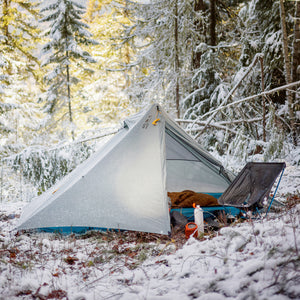
Peter: There it did and personally experiencing it uh one trip solo trekking and Patagonia no soul tracking is you know and fast packing is really important to the sphere of Outdoor Vitals um I had attempt that I had used for some time I loved the tent but the wind speed the average wind speed and Patagonia is 40 miles an hour and my tent poles were not able to handle that and literally one night they exploded they shattered and so I'm scrambling in the Rocks trying to find ways of holding my tent up and I've seen those kind of experiences not just in my life but other people's lives and so I I'm really really convicted that what we carry and what we bring is important to us it's even true day to day I've seen people.
Peter: Just in their work situation where they didn't have a good battery charger they didn't have what they needed from the technology point of view well that that kind of matters but when you're in the back country or I was working internationally in really tough situations that people might remember Nicaragua the contras and the sandinistas Nicaragua was not a very stable place that was one of the places that I was working to try and bring people together it's rainy there it's muddy there so if you're standing and you're freezing your feet are freezing and the mud you're slipping around you're cold really hard to focus of being of service but also just of maintaining your awareness and being safe.
Tayson: So so go even jumping back to this Patagonia experience right you're you're saying you're experiencing these these massive wins you're out there on trail and just crazy windy conditions um you know some people might hear something like that and think oh maybe I don't need to experience that right or but but at the same time it seems like when you talk about it it was important to you like you you ended up enjoying this trip regardless of or at least it's been a pivotal point for you in your life right so um when you think of that like what did you walk away from the trip like what it would change for you when you walked.
Peter: Away from that specific trip well I had I had other challenges of the solo travel uh Patagonia like we see these big mountains we we think it's this beautiful Alpine place but also there's a lot of bogs and swamps around those mountains and so I was able to experience those personally and what I discovered in those experiences Jason was that I had to make wise choices about where I went and I had to be equipped for where I went but also in this Patagonia trip I realized I had made some pretty good choices beyond my pack that let me travel with a lot of freedom and a lot of lightness so I learned the right stuff that's durable that's functional across weather conditions that you can rely on that was a big lesson that was. Very freeing for.
Tayson: Me yeah yeah well I think I think it's interesting though that even with you know I think I think people sometimes get caught up and again this is I think this is something we share is both me and Peter having discussions off uh off the air here have you know it's very important for us to help new people get out on trail and experience things and I think one of the things that that comes to people's mind is when they have a gear failure moment that you know like that's the end like it's like the worst has come right um obviously in your scenario you were basically without a shelter I uh you know last winter I had a pad issue where I was using a prototype pad and um it had been damaged by. By the previous person to touch this pad and um I didn't know and so I was skiing out at midnight you know in the snow and the interesting thing though is that wasn't the end of the road wasn't no like you continued to go outside and you continued and that that experience was still I imagine a good experience.
Peter: Overall right it was it was extraordinary and so I think also we need to realize the things will happen but to the extent we plan and our entire approach to our gear and equipment is a solid one if we have an unforeseen failure of let's just say 10 percent of our equipment 10 percent of our gear if we're dry and we're warm and we've got something to eat and some water we can make do in a lot of settings and I think that's where you know not to be too promotional about Outdoor Vitals but I'm seeing for even some of the insulated shells that I've been trying they've got some weather protection attached to them beyond what you might expect there's a case where well what if I had to give somebody my touch or. Jacket I'd be okay so if we make good choices we've got the ability to absorb some change in weather some failure and then the other part that I've discovered and being Wilderness First Responders we got to be ready to help other people so if you make wise choices and you're taking care of yourself even if there's a failure you can self recover but you can help.
Tayson: Somebody else too yeah I think that you can always reduce the amount of risk out there by better planning but also the more confidence you have in your gear whether that's from your own experience which hopefully it is it's the more you get out the more confidence you build and the better off you're going to be as you head into the back country but it can also just be with with your selection of product which is something that you are trying to help people with now right is to understand what product you know really is that important and what allows it to you know get your badge of you know what this is tried improving gear this is something you can have confidence in and so as you get into that country you know I. Always say that Mother Nature is is the great equalizer it's always going to Humble.
Peter: You as well yes.
Tayson: Um there's nothing you can do to to to slow down the winds or the storms or things like that that can sometimes happen especially when you get into situations like high altitude or Patagonia you know these different types of things and so being able to have that confidence and gear is really important and like you say you can develop that in a couple ways first what I think most people should try to do is to continue to build their own confidence and skill levels and second is to have trusted resources which is what you're building.
Peter: With absolutely investment grade investment great gear and giving giving individual pieces of gear the made the grade investment grade made the grade giving him that Jason that kind of symbol icon stamp of approval because it's really a matter of a few of the right things rather than a lot of the wrong things and so a lot of the gear I'm reviewing is actually gear that I have carried there's a pair of boots that I wore doing International Development work in war zones conflict zones and tough situations I've worn these boots in various iterations but really the same series of boots for 30 years and so that's an experience that's an extraordinary experience the same with a lot of the everyday carry lights and knives and things but other people haven't been fortunate I haven't lived.
Peter: Long enough to have those experiences to know that and so I want to be able to translate the chance that I've had in the outdoors in a lot of settings we talked about and then also testing thousands of pieces of gear that you don't have to do that that's something that you can rely upon but it really is a matter of individual pieces of gear that give you some bandwidth and that's one of the other things Jason is give people a little bit of margin with each piece of gear rather than saying the temperature Changed by three degrees I have the wrong jacket.
Tayson: Yeah yeah I think that's really really substantially important when when you look at your life right and all your experiences and then you go to grade something what is it to you that becomes the most important do you have a priority list of it it needs to be able to do these things what what ranks highest you know obviously different types of gear I'm sure it can rank a little bit different but in your mind how are you looking and approaching how.
Peter: You would rank a product and I'm looking for gear other than specialist gear so if you're talking about ice climbing that's right we don't really focus on that I want something tasty that's going to have some margin in the temperature and weather range it can absorb we're talking about apparel and even Footwear a lot of things so I want something that isn't so fussy that you've got to operate in a small margin I want.
Tayson: Something does that relate to say durability or does that happen that's.
Peter: That's another Factor right so it's it's suitability like you go on a trip with friends to the mountains the weather changes it starts to sleet you're not saying oh no I don't have a jacket that's going to keep me warm and protected the jacket I worn the sun has got some ability to maybe repel a little bit of moisture and a little bit of wind so really that ability to live across conditions across Seasons across terrain other than special skier that's very important to me you also mentioned durability the number of Cycles it can go through because I'm encouraging people to wear and to use what they buy radical idea I want them to get out there and use it and so that means it's got a It's gotta last across there and it also. Has to be maintainable so if there's if there are seams that are double and triple that's great but if I get in there and fix it if I can put a new coating if it needs a new coating if I can clean it up so that the water you know waterproofness factors work I want people to be able to take care of their stuff instead of saying Oh no I got to send it back to somebody.
Tayson: So durability its ability to work in a variety of environments so that you know when you take let's say it's a down jacket into this environment versus this environment you've got more trust and ability to cross those those barriers right any other factors that that are.
Peter: Important in gear selection to you well the ultimate price the lowest price is not important to me why is that that's that's backwards and a lot of people yeah if there happens to be this collision between a very low price and all the factors that go into made the grade that's great but I'm not counting on that I'm counting on getting something that is going to be functional and enjoyable across seasons and years and that's.
Tayson: Where value really occurs okay so does that mean you're going to select the thousand dollar tent as what makes the grade right like what what do you say to that when you're looking at some of these products that can that can be I'll call them extremist or but but it's really for the you know the top percent of passionist people in this so does that mean that that's going to be the product that gets selected if you just pull price out of the equation you know.
Peter: It's funny because you reach a point of diminishing return is what I'd say tasting and normally that's in the middle middle high price point but not the ultra high not the exclusive so it's more in that middle kind of price range versus just being the value price normally you spend Beyond it and you don't really get the benefits that I'm talking about to any substantial degree.
Tayson: What would you say to someone who's who's just getting started and backpacking um you know and they they do have a bit of a budget but they're not trying to cut every corner what do you feel like is one of the most important pieces of gear for them to maybe maybe spend a little bit more money on or you know if they're going to you know not cut a corner somewhere where do you think is is the.
Peter: Biggest game for their Buck I want people to be comfortable and stay warm and dry and so the right kind of rain jacket or shell that can take you across Seasons really important even and I live in the desert much of the year and even there the winds come up you can't get some rain it can be very chilling because you can go to altitude pretty quickly so something that repels some wind and some rain take that that's something you take through life and insulating a layer that can absorb even being out in some wind and rain so start with those kinds of pieces that will keep you warm and dry across Seasons across temperature zones across activities and then also in terms of apparel like the pants I've got on that are from outdoor.
Peter: Vitals same kind of thing across temperature zones sun protection it's got some storage so start with what's on your body first because that's your first shelter and now I can rely on it even if things change start there if I'm carrying a load now I want load management I want to be comfortable I want to be able to go with some Freedom so a lighter weight pack don't go to the Army Navy store and say they you know they carry this in Australia 50 years ago and it's made out of aluminum that weighs as much as a bicycle so then start with how can I free myself up to create to travel with a sense of lightness so then I'd say pack frame is really important because that's going to transition no matter where you. Go and how long you go start with what's on.
Tayson: Your body and then build from there I think that's that's an interesting perspective um I think in my mind when I was asking that question I was thinking back to a time when we were in the Uinta Wilderness we basically were getting snowed out in August and we weren't we weren't wearing the apparel per se that was suited for that environment and so for us you know the most important thing was falling back to our shelters and our sleep systems right we basically had to get to a point where we sheltered in place but the truth of the matter is if the shelter had failed we could have potentially hiked kind of through the night and got to lower elevation and got out of that situation uh which where is where it comes back to. What what's on your body what's on your body is of a premises and then building.
Peter: From there and I'm not disagreeing with the importance of shelter that again can take you through those variable conditions you know what I've seen too is like somebody goes out in a group they end up with like one shelter that everybody ends up in that's the one that everybody should have been using and so I also look at it and say do I have a shelter that even in the middle of the day things get things get tough and I've got a shelter and even if I've got a pile a bunch of people in there to warm up during the day they have a different philosophy in Europe and especially in the UK and that is they stop during the day and they get warm they raise their body temperature up and they dry out.
Peter: A little bit instead of killing themselves and getting soaked during the day and then ending up cold in a tent so I would also say if anybody in the group and had great experience with Outdoor Vitals on this trip if you even have one person in the group that had one of the tents and things went bad if you had to you had to you could get into that thing and somebody wasn't dressed and you could stay warm and make it through yeah so at least one person's got to have the right care and I want you I don't want the people watching that to be that person to not hope that somebody brought a good tent brought a warm sleeping bag because what they've got weighs eight pounds and it's a and it doesn't. Insulate be that person that is prepared for you but also to help.
Tayson: Others I think I think what's interesting about this is at Outdoor Vitals we do say like we design for performance and performance could mean different things to different people but to us what it means is a lot of fill time and is it performing in a variety of conditions where I think a lot of people can get off track is focusing as like let's say it's just weight as the primary driver or maybe it's durability as the primary driver or maybe it's I think if you if you don't have a balanced approach what ends up happening is you don't have a piece of gear that can work in all situations so again let's just say it's it's if we had 100 focus on just weight some of our gear pieces would absolutely be different this.
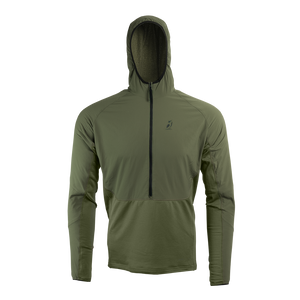
Tayson: Jacket you're wearing right would be a seven deny your face Fabric and and what happens when you scrape it through a bush or you can get it caught in zippers exactly or what if it's you know the 40s tent you know there there are shelters out there that drop clear down to say seven Den your nylon and is that going to you know protect in those situations so I think if you if you get too focused and imbalanced on prioritizing one one aspect of gear um you know you start to fall backwards which again for us what we've termed this as is just performance and performance to us is a lot of time in the field and a lot of different conditions and does it do the job does it protect you know does it. Does it um work as intended for the pieces desired intent and and it's not as easy as just slapping slapping on a quick easy does it hit the weight Mark does it hit this Mark does it hit this one you know what I mean because because that's.
Peter: Where time right you've got to have margin and that's where I think the experience I'm having so far with the gear is there's some margin in it that's what we're talking about across weather conditions but performance it can't operate in this environment where I've got to have two hands and zip the jacket perfectly because it really is lighter than it now probably should be unless I zip it this way and properly you've got to have some margin that's true not only in your outdoor life but your regular life and that's also we talk about the financial part you don't want to spend everything you have you want to have some margin in there if you're a photographer to maybe buy a different lens replace a battery anymore to pay for gas you know so so.
Peter: Having gear that's got some margin that's performance in my mind not the ultimate how fast how light can everything go that has no that usually has no margin good friend of mine I wrote a book with he's a polar Explorer you want to talk about margin he he's got to be ready for minus 50 wins plus 50 windshield 100 below he's got to be prepared for the sun to come out what happens if the sun to come out he could overheat you can dehydrate very rapidly in a cold weather environment so he builds his kit around a sense of expected conditions but let's have a little margin and that's I think what performance really captures.
Tayson: Yeah I I so going into this aspect of just how important gear can be and how empowering gear can be um what have you found as far as once you have pieces of gear um that you are confident in has that changed anything for you so for instance as maybe I mean you've been in the outdoor so long it's probably hard to understand this but if you were to relate to you know someone who's new coming in they start acquiring this gear um and let's say they go and have some really successful trips have you noticed any kind of perspective shifts or any kind of changes in your life that you're that you may look at someone else and just be like you know they're missing out on this or they don't understand this and. You know does does any of this really matter you know what I'm saying.
Peter: Well yeah it's it's what happens Jason is if you're not equipped properly you're Focus naturally should go to taking care of yourself and so what happens is you pull inward now I'm not seeing what's around me I came to this incredible place I mean there's some Utah for people who haven't been here it's I don't know the trouble is where do you start because you can spend your whole life here exploring but what happens is the wrong gear you start to focus in on yourself and staying warm and staying dry staying on the trail trying to get a little bit of sleep you stop seeing where you are you stop seeing who you're with you stop seeing all of the beauty around you and you stop experiencing anything but trying to get through that experience.
Peter: And it's kind of like well why did I even go here why did it even make the trip why did I spend the money why did I burn the gas to get here if you want to focus on out the outward experience the people around you the new friends the food along the way all of it you've got to have gear that lets you it really gives you that freedom to look out and not be forced in.
Tayson: Yeah I think I think as you say that it makes me just think of the trip we were just on um so we were backpacking in the backcountry of Zion and uh one of our team members went to get the permits and the park ranger saying do you know what the web have you looked at the weather do you know what you're doing are you sure you want to go out there this seems like a bad idea you know all these things and and he's you know he's saying yes we get it we understand it because we have this confidence in the gear and then we go out on trail and who do we see nobody right I mean there's nobody out there until we were almost back to the car um we were we.
Tayson: Had Zions to ourselves I mean it was it was absolutely amazing and we got to see things that many people don't which is well we got we got to play around in the rain a little bit we got to hunker down under a tarp and you know laugh and play games under a tarp and then but but the next morning you look up and you're seeing Red Rocks you're seeing snow you're seeing the sunshine you know off and on throughout the day but it was it was something you couldn't see unless you could have the confidence to put yourself in those scenarios and um to me I think that's where some of this empowerment comes in um that the gear provides it's not just it's not just you know where your folk it definitely is.
Tayson: Where your focus is on trail you know are you just do you have anxiety are you fearful on the trail to to be present but it's also is it going to keep you from going period right like if if you're just focused on going let's just go back to 100 weight you know you might look at your your kit what you've built out and say in these conditions I don't have confidence and I'm not going to go at all and then you don't get to see the things that we were able to see.
Peter: That's right why and also if you are so unmarginal then you can't take a long you know some a board game or something you want or an extra Lantern set up for the group to spend time everybody then just kind of becomes cocooned at night it's gonna be a long nights with everybody just because they're just at such the margin the other thing that happens is that everybody wakes up and they're warm and they're dry and they're ready for the day our group a bunch of people went off for a side trip before we even went on the main trip of the day well if you're fighting against those margins you're going to be like no I get up I'm going to be cold I got to get going I gotta pack up I gotta.
Peter: Move there is no time to linger over a cup of cocoa to take a side trip to have a laugh to spend time with each other all of a sudden it becomes grim and that's the problem of ultra anything people are too focused on the gear the performance what they want to think is performance extracting every little performance element out of it they don't experience what's there to experience and I don't want that for anybody to I want them to have made the great gear but one of the things I didn't say is I didn't say it has to be the lightest in its category did I it's a category for made the gray.
Tayson: Yeah well I think this is this is very insightful um if if you were to you know step on the other side of this microphone and and be able to talk to a first-time Backpacker specifically about gear choices is there anything that that we haven't touched on that you feel like is critical or can just help them.
Peter: What's what's surprising to me the more I do this is the convergence between active Pursuits and life so for example if I've got the right insulating layer light insulating layer the right range show windshield you know what I'm going to wear that in my life so when they're investing in backpacking gear if they if they buy the right gear a lot especially when talking about the apparel side of things you can spend a little bit more because you're going to wear it not just on the trail but you're going to wear it in your life and you're going to love it so much you're going to tell other people so buy pieces with confidence that you know and you you can talk to people about you've seen that it performs but know that when you're.
Peter: Investing in a lot of that gear that it's stuff that you can use in your life beyond the trail also know that the trail moments as you get more confidence that you can share with other people it's not just about you you may have a friend that needs some time with you in the back country even a state park is the place to go so get gear that you can wear beyond the trail specially apparel but also now this isn't just about you to the extent you're confident you're confident that's something you can bring to children around you friends around you and I have seen the difference it makes in a person's life to be in an incredible place when they're going through a difficult time you might be the person that brings them there.
Tayson: I think it's really powerful and I think that that obviously resonates with me and what we're trying to do here at upper vitals but I think it it can resonate with a lot of people we we put on a challenge this last summer called the uh liberal or the level ultra light member 100 challenge some version of that yeah there's a 100 Mile Challenge and there was I think that the most powerful posts I saw were the people that that just said you know that they took other people with them and and the experiences that came out of that um for for some of these people were just completely life-changing and that's I think that's where I get a lot of purpose out of doing what I do here and I think that's that's a.
Tayson: Benefit that a lot of people don't maybe think about when they're just thinking about getting themselves Outdoors but you know think about the people around you made by you investing in the knowledge or the gear um you're gonna be able to change other people's lives as well um I I we talked about this a little bit yesterday on trail too just with technology with with the amount of connection we have to technology and everything hitting so so fast all the time um you know getting outdoors and and having that opportunity to change perspective is kind of the Ying to that Ying it helps balance out life and there's a lot of people who need that that maybe don't even recognize that um I know that I've had a lot of experiences in my life where.
Tayson: You know you you decide to change something and you realize holy cow I didn't even realize I was you know under these additional layers or I was doing this this thing mentally that that was a burden on me um until I was able to to get outside and change my perspective slow life down and uh I I think that that's that's a very interesting and very um intelligent thing to point out is that that we can help others we were talking about a project uh together here around really lightening the burden for people.
Peter: In their lives on trail and off Jason you've spoke so well to that and it's really hard I think if you can picture just right now the people in your life just just second ring first ring in I would nearly guarantee that the people that are watching this have a person or two in their life that they know is struggling and if you can imagine if you're a Backpacker right now if you can imagine even taking them half a mile or a mile beyond the trailhead and to stand by a waterfall and there's a lot of trails you can do that easy overnight trips even to start where you buy a waterfall you're seeing a sunrise the power in their lives to bring hope to see life beyond their struggle of their day whether it's. A relationship or a physical struggle a financial struggle there is so much there that is so close at hand if you're prepared you can bring people into that and also I just want to encourage you if you are struggling today we're not here as therapists but I know that being out there made a difference for me just in the last.
Tayson: Couple days yeah you you can't get enough of it really you know um well it's been a pleasure to have you out here it's been a lot of fun to get to know you um so just one more time where can people find you and and continue to hear your thoughts on on gear and life.
Peter: Investmentgradegear.com and what you see there is results of 50 years of experience but you know there's also room to learn more and that's what the last couple of days have been off so.
Tayson: Thank you man yeah it's been a pleasure having you on here really appreciate it for all of you guys listening I appreciate you guys listening to this podcast if you haven't subscribed make sure to subscribe Rank and review the podcast that helps us get seen and help more people out there trying to disconnect and and gain more perspective in their life we really appreciate you guys writing those reviews and sharing this podcast around with that we'll see on the next episode.