Tayson: Hey everybody welcome back to the Live Ultralight podcast today we have a very special guest Josh perion who is a multi uh Trail FKT Runner but not only that he's a self-supported um not a not a outside supported FKT Runner which is also really is a is a totally different animal in my opinion which I really am excited to dive into today um you currently or at least that's the information I have here is that you currently have both the PCT self-supported FKT so FKT's fastest known time as well as the Arizona Trail which is an 800 mile Trail through Arizona both of these Trails you did in phenomenal times um crazy times which I want to dive into but very very excited to have you on the podcast here Josh so how you doing. Today.
Josh: I'm good thank you very much for having me.
Tayson: Um it sounds like the the last trail that you just did was the PCT is that correct that's your most recent FKT yeah.
Josh: Um I finished the PCT August 7th I think okay I had a very short-lived attempt on the Colorado Trail as well um a few weeks after that but I was not recovered in any way shape or form.
Tayson: Um I can't imagine how you would have.
Josh: Been no but you know it's a huge press of Youth.
Tayson: How many how many fkts have you attempted.
Josh: So I've I I've held three so the two you mentioned and the Long Trail in Vermont um I tried the PCT in 2019 as well I tried the John Muir Trail in 2019 and they tried the cape wrath Trail in the UK last year.
Tayson: As well yeah so a lot you've got a few temps here as well what I'm just curious what what happens on the attempts that like you've obviously have the ability to execute on some of these other Trails so what's happened on some of these ones that you weren't able to execute on.
Josh: So I quit the PCT last time because I found out I was allergic to wasps and I went into NFL access um on on day a thousand miles into the trail and turns out when you go into NFL access for the first time and you've also just run a thousand miles your body's not really capable of recovering properly so I was like actively just clapsing on the trail for about three days.
Tayson: Oh wow you continued for three days like so you didn't just go straight to a.
Josh: Hospital or something no no I I got to town I got to this Lodge uh on the Oregon border spend a few hours there decided to continue took a day off after that did 55 miles the next day whilst collapsing twice and then quit the next day.
Tayson: It's just a mere 55 miles huh me me today yeah so it obviously takes you a lot to to get off Trail what about some of these other scenarios I mean have they been I've been even been like just a fueling or anything like that or is there is it typically something much bigger that can can slow it out.
Josh: It's usually something so the John Muir Trail was a windstorm hit and I got altitude sickness early on early on um like before I'd summited Whitney it's like three or four out three hours I know his puking um so I was like I went home for 27 hours I think but yeah it wasn't going to happen um yeah the Kate wrath Trail was a panic attack and the CT the Colorado Trail was just like chronic fatigue and stuff yeah.
Tayson: I I can't imagine they would recover like you say I mean that's just it can take you know for runners right I mean sometimes it can take months and months between races to fully recover and get back going again so to attempt that trail that quick is is uh absolutely but you know what if what if it had happened right so you can't can't fault you for for considering it right um so well I'm just I want to dive into just some of these Trails because I think what makes it the most fascinating to me is the amount of miles per day and just the elevation right so if you're looking at the PCT you're averaging 46 to 47 miles a day by my calculations um and then I had some mixed numbers on like.
Tayson: The total elevation gain on that trail but you know somewhere between three three thousand five hundred um 350 000 miles sorry or or feet of elevation climb versus 420 000 feet of elevation climb I'm not sure which one of those it is but in that range just tons and tons of elevation either way but um just considering that right 46 to 47 miles a day how did how did you get there how I mean how what's the story behind you being able to go from an average person hiking 10 miles a day when they're backpacking to a to a more performance focused person who probably does a little bit of training doing 20 miles a day or or maybe up to 30 on their biggest pushes but like you hardly ever hear of someone going.
Tayson: Farther than that right so just talk me through like that progression for you how did you get to the point where you're not only doing 46 miles a day but back to back to back and self-supporting right so for a little I mean for a little bit of context I started trail running a little over a year ago and this year I decided to enter first my first ultra marathon um I'm a bigger guy I'm not built for running but for some reason I enjoy it right I'm I'm sitting at like 200 pounds at 6-2 right so um if I ran this race is a 70k it ended up being about 45 miles and tons of elevation it was like 12 000 feet of elevation in the 45 miles but it beat the crap out. Of me like severely beat the crap out of me and so my thought is this guy is doing it Josh here you're doing it day after day after day so how in the world did you work yourself up to that position.
Josh: So you're not that much bigger than me then um yeah I'm six foot and usually between 175 and 180 pounds okay um I think I average 49 miles a day on the PC today wow I think that's how it worked out there's there's always an under track like when you're mapping it versus like on the hoof you know what I mean it's always fun yeah well um but I I started hiking ancient pilgrimages like the El Camino Santiago and the 88 temples walk in Japan and they were flat Road like even Farm Road Farm dirt road a bit of light Trail stuff and on that Japan walk there wasn't a lot of people out there I think like 12 people did it that year one foot so I just kind of because you have all.
Josh: Day to walk I just walked all day and then the following year did the Appalachian Trail and I had my time frame was about three months but the the actual mileage I was doing a day had because that's because I used being used to walking 30 miles an hour roads just I walked basically my first two thousand miles on Road and it kind of got you into it it was a very gentle way of getting into it so then when I went on the at doing you know 50 or 30 a third or less mileage but with the elevation didn't seem as a striking of a task I was daunting of a task um so I hacked the 80 in three months exactly in 2016. And then the following year on the CDT I was.
Josh: Dumb and clueless and started southbound at the start of June in a big snow year oh wow so that I don't think there's another hiker to start after me for like two weeks so I was I was just on my own out there like I hiked with someone for the first five days in through Glacier and then again in Colorado there's like two two and a bit Thousand Miles have been on my own wow so I just again because I just like to walk like the the movement the walking is the fun part for me so I just built up to walking all day.
Tayson: And then after that so you started walking what so maybe 2015 and you just basically never stopped.
Josh: 2014. Yeah yeah I started when I was 18.
Tayson: Um so you you aren't one of these guys that I mean do you have like like a massive training regime behind that like your your work like do you I mean you you have to be running some of these miles right at this point at least.
Josh: Uh I did on the PCT but I maintained it is pointless so I'm as far as I'm aware I'm the only person to have done a 400 miles self-supported week on a Long Trail which is 57.3 miles a day or something and I didn't run a step for that.
Tayson: Really so you're saying that like on the on the PCT you're you're walking the PCT that fast.
Josh: For the most part on the PCT I ran a bit more um 400 mile a week was on the Arizona Trail but like I've only recently started like jogging or shuffling on the trails a bit more and still it's not much.
Tayson: Perfecting like a power walk are you like creating this new stride you know.
Josh: It's just like how little can I lift my feet up and not just kick everything and trip over all the time you know wears out your shoes super quickly.
Tayson: Right I can only imagine so you're you're for the most part walking maybe slightly you know running a lot of these so to me that means that one you've got to be very fast hiker but two like extremely streamlined like almost no breaks or very little stoppage and then also like your day you've got to be starting really early and and Hiking into the night is that I mean like what's your typical day look like on trail.
Josh: So I did 42 miles into Snoqualmie Pass with eight minutes worth of breaks and that included a pre-break I was just like hyper efficient when I have to be um because I do yeah because I kind of came into big miles from a hiking perspective and only started running the PCT was the first time I started like running on trail so I came in with like a very good background and like hyper efficiency um just from years of through hiking and then I started running around the same time as a CDT and have gradually started I finally started building that into this stuff but a typical day I try and get six hours sleep at night I think they'll uh.
Tayson: I think they were and is that is that like six hours of stoppage time or is that like six hours getting into ten six hours and then you're exiting you know what I'm saying like because some people.
Josh: You've got six hours six and a half hours stoppage.
Tayson: Okay so you've got 15 minutes on either side.
Josh: I try and do 20 minutes in the evening and be moving in less than 10 minutes in the morning.
Tayson: Wow okay um and so what time are you waking up.
Josh: It depends with self-supported because your your days are constrained by your resupply schedule if yeah if that business shuts at 6 p.m you have to get those miles in by six so whilst I try to get six hours a night I think I averaged four and a half hours a night over the entire Trail because of how many like three out well I think I think I did not eight or nine three hour nights because I had to make a resupply because I had to make 40 miles by 3 P.M or 50 miles by 6 p.m 7 P.M.
Tayson: There's there's so many fascinating areas I want to take this I'm you're just this treasure problem of of uh of ways we could take this car I mean anyways before I get into some of these nuances of just what you probably were experiencing what what made you start to want to do fkts what's your why like I mean pushing yourself that hard sleeping three hours a night day for 55 days right um you've got to have a reason behind that that's helping to fuel you right so you know what what is it for you that's that's like you know this is why this is what I get out of it.
Josh: It's a lot of fun um but it was also how I was introduced to the kind of hiking I first heard about through I wasn't I wasn't a runner or an outdoors kid like I was active but I wasn't like through martial arts and skateboarding not through running or anything for the child so I never never heard of throw High gang um and then I remember reading an article about Heather Anderson's hike in 2013. And so the PCT record was the first time I heard about through hiking so I just I didn't know it was a thing people did for fun I just knew everything just one person did really fast like right kind of like I thought it was like you know how transcon transcon Runners like it's not a thing people do but.
Josh: Occasionally someone does it yeah I didn't realize there was such a community on the community exists that's around it and then the next two hikers I heard about were Andrew skuka and John zahorian who both also hiked 40 mile days so my introduction to this was like oh you hike you just hike 40 mile days that's just what you do like I was like that was like that was like as soon as I started when I was walking around Japan I was like oh cool I did a 40 mile day I'm a hiker now right I'm finally a hiker after 40 miles yeah like I had no context around how far things were um sorry that was because that was my introduction I was kind of always funneled into towards that kind of stuff um. And when you know when I finally started meeting other hikers on the Appalachian Trail because I'd already hiked a few thousand miles I had a good base and like I was fit enough to do that and I enjoyed doing that so I just did my own thing and you know hiked with I could see we're going at my Pace rather than slowing down to match everyone else's.
Tayson: Yeah that's that's so interesting right I feel like you know you're you because you get this public you know eye on on some of these fkts and attempts like that right that's just so interesting that that became your perspective of it right yeah right um yeah that's really fascinating so so when you when you go and complete these now like okay now you've got a better perspective right you're passing people all day long on these trails you're passing them while they sleep you're passing them while they take a break and you're passing them while they're going up a hill um like is is it just become ingrained in you like you're just like this is just what I do like you don't even think about like hiking slower or or like you just are you. Someone who's just super goal oriented and so that's where like so much of that drive comes in to continue to do these.
Josh: So I've hiked about 20 000 miles now and like in all terms of long distance trips and I just I've hiked enough on trails a kind of a more casual paste I just don't get as much out of it as I used to yeah it's nice it's nice to do for like a weekend but I have no desire to go and do a sixth month through hike because it just seems really it seems like it seems drowning yeah like yeah for me like a nice three months is a nice three-pack lens but like spending six months out of the out there that sounds exhausting.
Tayson: Yeah I I when we were doing some hiking on the at this summer yeah and all these guys are on like a five month six month like Pace yeah it is pretty wild for me to consider because I guess the way my mind works is I'm just like yeah what if you guys increased your mileage a little bit every day you didn't stop for to set up camp at 3 P.M you know and like you could finish this much faster and I I think for me that like you you inherently make sense I don't know that you like it would make sense for other people that like the drive you have to push like that but I I feel like I can can understand that um but it was really interesting I think I think.
Tayson: You're very unique in that sense that you're just willing to do this and I I still my mind just keeps coming back to the fact that you don't really run a lot of these right because coming into to starting to follow a lot of the Running World in the last year and a half and looking at some of these fkts and there's someone out on the Arizona Trail like two guys right now on the Arizona Trail right now attempting.
Josh: Oh really yeah I'm smack talking two of them after my record so I'm like trying.
Tayson: Really so he's he's doing something supported okay.
Josh: Yeah yeah but like I'm trying to like poke him along and get him to speed up a bit.
Tayson: Wait you want him to beat your record oh yeah yeah so see that's a fascinating thing too is it seems like a lot in the FKT world people want people to beat the record instead of be like no I want to hold the record as long as possible I think that's really interesting too.
Josh: I've had it three years that's long.
Tayson: Enough three years wow that's a pretty long-standing record in this day and age.
Josh: Yeah yeah it's it's held some well I mean covert happened as well so that kind of limited people's attempts for a while but there's been a few attempts on it yeah.
Tayson: That's so cool but like you look at some of these or like uh Timothy Olsen right he'll he holds the self or um supported FKT for the PCT intro right and he beat your time by what three days like you were only three days four days so he ran at like 51 52 days he ran at 55. Um to me that's that's absolutely incredible because these guys are Runners like these guys are Ultra Runners they compete in ultra running and then you come in and you're just power hiking and barely coming in behind.
Josh: Them was I was ahead of Tim for six weeks I was trying to break Tim's record how does this make sense makes sense for us I I um running down the trail right um the only reason I didn't I you know some hubris there but the only reason I did it was because I had to push whack around a fire closure that he was allowed to drive around yeah so he does his record doesn't have continuous footsteps oh wow um whereas I had to Bush whack around this fire closure which added about 30 hours and then because I did a 30 mile dry stretch for that water I got sick on it as well um yeah but those guys I guess why Joe String Band did it on the Appalachian Trail as well most of.
Josh: These Elite Runners don't really do their due diligent due diligence in like learning the style they just rock up assume they're fit enough they're fitter than all of us and discover and run and they kind of are they are fit enough to just go and do that but it means you know when there's people like me or like Joe who have the background to do the big the same mileage but have like the hyper efficiency of the through hiker down we can keep up with them because those guys take really long breaks and the more you run the more breaks you need to take right so my whole approach you can't you can't make up for time like stopped time costs so so much right like that's.
Tayson: That's definitely something I've just I've learned too just doing you know 30 mile days and stuff on trail is like you know five ten minutes man that really really adds up and you think about it like if you were to do let's say you were running five miles an hour for five miles but then you take a five minute break you know what I mean like that drops you down significantly your pace per mile just just starts eroding so fast right.
Josh: Yeah well so on the Arizona Trail I averaged about four hours of sleep at night but I only did three 60 mile days so only like but like three miles an hour should it is like at my pace is always three miles an hour or more at all times like my actual moving Pace yeah yeah but if I'm putting I'm putting in these 20-hour days and I'm not hitting 60 because it breaks so.
Tayson: That's not just gonna say is that's that's 20 hour day at three miles an hour to hit 60 miles yeah with zero stopping like to if you're if you're keeping that three miles an hour yeah.
Josh: And because that is just a central stopping like it's the amount of uh the more and the more you run the more essential stops you have and if you have a support team then you're you're more likely to spend time because you've got the option to spend time with them right you have you can get food you can get taken care of like taking care of yourself is important but not as important as these.
Tayson: Runners that's such an interesting argument because so like I said I've ran one Ultra right and I didn't even run it that well um but like you get to the stops right and it's like what do you do you start planning your day stop to stop and so you carry the water that you need to get to this stop um and the fueling but you're like kind of like you become a little bit reliant on when I get there then I'll have it instead of no my body needs it right now and it's with me right and and so there was definitely times for instance where I I had I was I have I sweat a lot I'm a massive sweater and so hydration is incredibly incredibly difficult for me right I can lose um.
Tayson: I lose two liters of water an hour when I'm running um a lot of times like I've done some testing and tracking and it's it's stupid right but um so I messed up my my hydration but I didn't have the things with me to fix it on trail so now I've got to go six more miles feeling like this to get to the next spot and now you've just dug this massive hole and you're trying to dig your way out of it and it becomes this and so it is it I I found that to be true for sure where when you become reliant on on the support you have you you behave differently you don't keep as many things with you right it's like okay well now I don't need to carry anything on. Me so that so you know because any weight is going to slow me down and so on so forth but the reality is now I don't have the stuff I might need in a specific moment right so yeah that's a really interesting point you're making um.
Josh: Go ahead because I think it also just comes down to I think the self-supported records I current on the wrong trails at least are currently more competitive than the supported ones um like more people are doing that they're unsupported Trails like attempts no more people are doing them supported they're just not trying hard enough like like string bean and carlsave are the two examples who are like people who are trying to push the boundaries and they think a lot of the elite Runners who come into it are trying to do as little as they can to break the record and I understand why because if you're an awake Runner you have a paycheck like I know like most of these guys are getting about 30 grand for the world rails so why would you risk. Going out faster and blowing up and put your paycheck on the line when you can kind of make it a bit easier and still struggle but not as much as you you potentially could though.
Tayson: Yeah and they say they can't they they play it safer to and the so the records haven't been pushed as fast so you expect him to continue to fall in.
Josh: The supported category yeah I think there's much I think you will start seeing like you know averages of 60 plus miles a day in the support of category quite soon um with people like you know Carl Sabe and Joe McConaughey really pushing it but I don't know I don't know how I don't know how much wiggle I don't know how much further self-supported people can go.
Tayson: Yeah so I've gotta I've gotta ask let's let's dive into some of the the hydration and fueling right so you don't have much time to stop it's not like you're sitting down and having lunch it's not like you're you're you know spending time doing any of these things so what does that look like like on trail let's say let's say it's food we'll start with food how are you fueling yourself that day.
Josh: Uh so I have a bottom pocket on my backpack and that will carry so I put all my food in there so I can just snack as I go after a few weeks on trail at this 50 mile a day Pace I'm eating 12 10 to 12 000 calories a day and that's made up of about three three thousand calories of M M's um 3 000 calories.
Tayson: Sorry now you really are starting to sound like a dirt hiker here.
Josh: So the fun part with that is calories of M M's I was hanging out in Southern California for all of May and before whilst I was making my boxes up I did an experiment so I went to I think it was just a Walmart and bought all of the types of M M's they had a 10 ounce bag of like 12 different types of M M's and then I went I went camping the next day and I went to see which ones melted in the heat and I ate all 12 bags in an overnight but I was like it was actually like an actual experiment to find out what melted in the Sun and what didn't yeah um so like to know to know which ones to pack for the PCT.
Tayson: Okay well what's the answer.
Josh: Uh basically anyone with something solid inside of it so like a peanut FM or something yeah but the peanut butter ones melt like the chocolate ones melt um the fudge brownie ones melt but in a really good way it's really good.
Tayson: So what if like peanut English toffee bruh yeah so 3 000 calories of M M's yeah what else what else do you have uh.
Josh: Three thousand calories of nuts like cashews and almonds 3 000 calories of candy like gummy candy Haribo Sour Patch Kids that kind of stuff and then 3 000 calories of just snack bars like cereal bars and granola bars and Nature Valley bars oh if I'm feeling fancy like Bobo's and Cliff Bars and all that stuff but generally because.
Tayson: So you're only protein or at least coming from nuts you try to avoid protein how is your body not just like imploding and eating its own muscles up and.
Josh: Because I'm still letting 12 000 calories a day.
Tayson: Yeah but like the muscles need protein right I mean it's not the uh what we're.
Josh: Doing isn't that it's not like it's not like weight lifting where you're completely tearing your muscles down it's a very slow yeah perfect or slow damage to your muscles and protein satiates you so if you're on a high protein diet then you're you're feeling full and less calories and because I'm trying to get in so many calories a day it actually works against you yeah if I if I have more protein then eating becomes a chore like I'm having to force myself to eat and then from having to force myself to eat then I'm not getting you just don't you naturally don't get as many cavities and yeah.
Tayson: Um so I think the only person you're like the only person I know of that has eat like eats 12 000 calories a day you and uh Michael Phelps you know who Michael Phelps is yeah so that that's but but yeah I mean going back to it Eminem's you eat as you go not to eat as you go gummies you eat as you go and bars you as you go yeah no need to stop no need to cook one less thing you're not taking yeah does that does that satisfy you like are you do you feel like like do you crave food do you like when you go through town are you like man I wish that McDonald's was open at 12 p.m when I get here because I'm hiking all night.
Josh: So I I mean I I had a Hotmail in town well most of the towns so I think I had 18 17 or 18 meals on trail um I had them at most of my resupplies I so in the desert I did Ramen just for the salt because it was so hot yeah um but it just cold soaked Ramen I just didn't carry a stove I just poured water on it and I had it crunchy yeah so foreign.
Tayson: How much time and effort do you put into nutrition like when you look at Ultra Elite Runners right like they're they're crazy about nutrition yeah right like they know everything it feels like they know everything from like I need this many electrolytes exactly and this and this I mean and like for me like I took an electrolyte sweat loss test to see how much sweat or salt and all that kind of stuff I mean or is yours like for you is it just all based on field experience what works what doesn't in the field yeah not not so much like test runs of this food and like like looking looking at the molecular level of of this versus this.
Josh: No so it's all about caloric density for me so calories per ounce um and then when I'm carrying five days worth of food through the Sierra it my food is denser so it's got more calories per ounce to keep my pack weight later but when I'm only carrying two days I try and like add in some raisins and some prunes or something to get some or like dehydrated fruit on the shorter carries to get a bit more nutrients I think I think that approach is kind of it's it's come from my true hiking background of having to resupply in these town a little tiny little gas stations in the middle of nowhere Idaho um and I've just learned what works for me but then you also have like Ultra Runners like you know Courtney dewalter. And Camille Herron who frequently like Chugga beer and have pizzas and hamburgers on trail.
Tayson: On Races Courtney is in a class of her own though right I mean she's not human I don't think but.
Josh: Like that's my school of thought it's just like whatever you want to eat like.
Tayson: I don't know okay one of the things they say to do is go on a long run and then walk into a gas station or a grocery store and just see what jumps off the shelf at you right like that's your body telling you what it might need so yeah um super super fascinating while you're saying that though what like you're hiking a lot at night so you are you've got to be using headlamps a lot um I guess you could be using battery based headlamps instead of recharging but like you've got to have things you've got to recharge right because you got to recharge a watch I'd imagine for tracking or a phone for tracking the fkts um so what how do you charge stuff while you're constantly moving.
Josh: Um so I had my phone and my head torch and my inreach for tracking um I use a very low power method of tracking from inreach so I don't have it on tracking mode I send out pings every hour to two hours.
Tayson: So you send out a preset message and.
Josh: Turn it off so I could typically get 10 to 12 days.
Tayson: On you turn it on you can turn it off.
Josh: Yeah okay um my phone yeah I use I listen to music and use it for maps and photos and everything so that needs charging on my head torch um this USB rechargeable as well but I carried as I carried a 20 000 milliamp hour battery pack um you know 12 and a half ounces or something but it charges it fully charges in four hours and it gets you know 80 of its charge in two hours or something so I can get like you know if I take nine if I take a 90 minute town stop then I can get over 10 000 milliamps of battery which will last me and so I just plug it in every time I get to town and it charges however much it charges and then and it worked out.
Tayson: Once yeah.
Josh: No no everything was fully charged so when I'm walking into town I make sure on that day into town I make sure I'm charging everything so nothing else needs charging except the battery so I can just plug that in and leave it.
Tayson: Right.
Josh: And because it charges quick enough that it just never really runs out yeah but there are FK tears who put a new Fresh battery pack in every single resupply box.
Tayson: Now yeah so I sent out 18 in advance yeah so.
Josh: Every every supply for the trail was done in advance for me.
Tayson: Oh so you're not walking into many stores to buy M M's off the shelf they're weeding the box it's all it's all prepare pre-packaged.
Josh: Um yes I went to a grocery outlet and bought 600 000 calories worth of food which is like six trolleys worth yeah.
Tayson: Costco's like you're my favorite customer right you're buying traits of M M's and.
Josh: Yes like literally that was the end of an aisle and just wiping everything off into a trolley it's like I need 54 bags of M M's.
Tayson: Wow pretty wild though to think that you could get by just using a battery Bank not having to swap it out not having to to do any of that I mean that's probably the single biggest thing that could that could make you take a break on trail that would be like giving your battery being just a little bit more time to charge right.
Josh: Yeah I think what most of them now charge so quickly that like that you can there's ones that charge like 12 000 milliamp hour ones are charging an hour or an hour and a half it's like if you're kind of when you go to resupply it does it takes a minute because you're going to get a hot meal anyway so I tried to keep my three supplies down to 90 minutes which was just enough time to charge to get me a decent amount of juice.
Tayson: Yeah that makes sense are you relying on like apps like far out or something like that to to really help you along the way as well.
Josh: Um yes and no in the desert I was in the desert I made a list of every water source that was deemed reliable the day I started or the day before I started I went through all 700 miles of the desert and just made a list of like the mile the water the good water was at and then which ones were water patches or Plum sauces so I could rarely trust them um but I didn't I didn't have paper maps or anything else I just had I just had mapping on my phone but I'm the PCT is so well marked you're very rarely Reliant on and on an app for navigation for navigation purposes.
Tayson: But I mean part of the far out app too is that it shows you water you know along the way things like that too right yeah.
Josh: So yeah I prepared the entire desert in advance with far out so I didn't have to look at the map to figure out how far it was I could just see a list of numbers and be like what's that one there uh then in the Sierra I didn't carry a drop of water about 300 miles because it's just Waters everywhere.
Tayson: Are you what are you using to filter water or using flasks with filters or what he's drinking I think.
Josh: Yeah I haven't filtered water since 2016.
Tayson: You just got Giardia once and you're like I'm good.
Josh: I got crypto on the 80 whilst filtering huh I don't I don't know what happened um I was using a sawyer mini you know it's really slow it was it was 2 000 miles old at that point those things slowed down.
Tayson: Um so you don't have you don't have water filter companies signing up to sponsor you yet sounds like but.
Josh: Um I mean whoever contributes as bleach wants to sponsor me.
Tayson: You just put bleach in it.
Josh: If I feel like I carry like a five mil drop drop a bottle of bleach for emergency use um so even going across the desert because some of those water sources are bad right like they're bad yeah they're not like the PCT water sources are good okay New Mexico and Arizona Trail they've got bad water.
Tayson: Yeah a lot of livestock water right yeah.
Josh: Yeah I on the seat on the on the Divide uh I had to fill up from a cow trough that I was watching a cow actively poop into on the other side.
Tayson: And you're not filtering and I couldn't.
Josh: Find my bleach and you drank it and I carried I carried four liters of it but I think I drank half later and I just like got really dehydrated over the next 20 miles to the next water source.
Tayson: Oh my goodness.
Josh: It didn't get sick.
Tayson: I don't know how I don't like I'm sure we've all got like an over phobia of drinking water right like like going back to that Ultra and I was at I was walking past Greeks and stuff but I'm like 99.9 chance I'd be just fine drinking that water but like in my head I'm like but I don't have a water filter with me and so I won't do it and it is dumb like especially even like right now sitting here because I also knew that like after that like I had a trip like the next weekend I'm like if I got Giardia I'd have to cancel this massive trip that's also already planned and um sorry so I'm like no I won't do it but it's probably just a ridiculous phobia for for a lot. Of it.
Josh: It's hard to say you know there is no way to guess if a water source is good or bad um I think to some extent you can build up some gut resistance to it but you can't build up any resistance like giardia um and I'd never recommend anyone else not to filter like it's a personal decision.
Tayson: I've made that's a huge Advantage you have I mean if I was doing an FKT I would be filtering so you've cut off a good chunk of time.
Josh: Yeah I look at the string bean but there's two little you know filters on his bottles and I'm like yeah no one's got time for that no one's cut.
Tayson: Hahaha so sleeping three hours a night let's go back to that um yeah yeah any cases of hallucinations or I mean like extreme cases of of just getting out of it in your own head.
Josh: There was never too many like I don't I'm not someone who hallucinates really badly I have like visual glitch as well like just see blocks and stuff that aren't there and your reactions get really dulled um they wouldn't I don't really remember any hallucinations on the PCT on the Arizona Trail I've had like I saw a demonic cow with like red eyes and Satan horns on my last night they was following me like I think there was probably a cow there and I was adding the horns and the eyes um but I don't know like I was so out of it was that in the middle of the night 1am.
Tayson: Yeah so I've heard that I and I don't remember the exact time but it's like from 2 A.M to 4 a.m they call it like the they call it the witching hour or something like that um they say that like 90 of all hallucinations happen like in that in that specific span even if you've been like even more severely uh slipped sleep deprived and so on so forth like that's almost always when those hallucinations happen so that's kind of kind of interesting um but also terrifying like right like were you terrified of this.
Josh: Cow or I don't know I was so scared of it yeah like I don't want to kiss me really terrified running so do you go to bed you just go to bed no I'm moving I'm getting away from that thing.
Tayson: Foreign figure out if it was real but you're so out of it at that point you can't.
Josh: Sorry my response was get that thing away from me.
Tayson: So you just keep hiking all night yeah.
Josh: Uh I hiked like an hour and a half more and it didn't follow you past there at some point it left me alone and I'd forgotten about it enough to sleep um.
Tayson: That's terrifying yeah that's it just being alone in the middle of the Woods at night for some people I mean it's they're so scared of that they'd never even consider it and uh I mean you're with setting an FKT it's not like you're carrying you know any protection or anything like that they could that that helps satiate people from feeling nervous or scared at night like you just become one with the woods and you just have to feel totally comfortable there right.
Josh: Yeah what I found really interesting about doing all the night hiking is how and this isn't what those people want to hear but how interested those animals are in your tent you always walk up and they're right around the tent like the amount of skunks I saw on the Arizona Trail camp like on trail next to a hiker and then there were over six occasions on the PCT when I saw a bear within five foot of someone's tent in the dark no I was like there were no barrels.
Tayson: Five Bears I said neck right next to.
Josh: People's tents oh no it happened over six I stopped counting after the sixth time but like the bear was within five foot.
Tayson: Of someone's hand are these like popular areas to camp.
Josh: They're just trying to sniff out food they're not established campsites like they're gut hook campsites really it's not like their National Park campsites or somewhere on the gym none of them were on the JMT it was all Northern California and Oregon um yeah but yeah they were like they were just curious in the tent and then know what I would have heard if they're about if there's a bear attack on Friday and there weren't any so it was just these bears being curious in people's tents but yeah they're probably trying to just put their Pond or the vestibule sneak out a load of candy you know like it's something unless you're doing a lot of night hiking you never see it you see the you see the words of the trail in a totally different. Way.
Tayson: So I mean you're were you seeing Tre or excuse me we're seeing bears all along the Route like mainly at night.
Josh: I saw most of my Wildlife at night yeah.
Tayson: Right.
Josh: Yeah I saw a few Mountain lines at night.
Tayson: I saw online yeah I don't like mountain lions probably as much as I like Bears even I feel like they're just so much more sneaky man oh about that is on.
Josh: Scary mountain lions are scary they still think they look scarier too I'm sure I've seen them at night and their faces like they're just look they have a more scary look well you see that eyes their eyes glow red right they're like cow's eyes if you're trying to head touch on them they don't quite red which I learned afterwards but if you've put a head torch on a mountain lion's eyes they actually go overhead in the dark uh they look they look even scarier with like demonic eyes.
Tayson: So are you carrying a big headlamp like a like a very high Lumen headlamp or what are you carrying.
Josh: Uh Nightcore and u20 any 25 like standard through hiker yeah I just carry two of the body two of the bodies with one strand like one one strap and one basket and then you can just pop it out and put a new one back in they're just little tiny squares real real easy yeah you know 350 lumens or something.
Tayson: Yeah I I've we had a scenario where there's a some Wildlife that was just outside our camp and we were trying to figure out what the heck it was and I'm the kind of guy who always had like the most minimal headlamps right just like the tiniest headlamp and because I'm like I'm not I'm not scared out here I don't feel that scared yeah but in this scenario I was trying to shine my light on something that was you know about 50 yards out of a camp and it just wasn't moving and we threw like a rock at it or a big log at it hit right next to it didn't even blink you know and I'm like gosh dang this tiny headlamp I can't see what this is you know like you're not so.
Tayson: Mad about it but it's like but I don't feel like going to investigate you know to you know get right in on top of it to see what the heck this thing is um but yeah it's it's definitely like you know a trade-off I guess um that nu-25 though has been a very solid performer for us and it has a very bright setting when you need it especially for its size it's it's really impressive but um yeah night hiking would be pretty interesting I'm sure like in a lot of ways though getting that night hiking in is is just so important because it's less hot less like exposure at times right so it's probably in some ways easier miles on your body right.
Josh: Yeah it's a bit slower um in Heavenly a bit slower but I actually really enjoy it um so like it's not it's not like it's a chore for me I like especially in like the Sierra being up those passes with like a backdrop silhouette of Jagged Mountains with a full moon behind them it was an incredible time like I love night hiking um but yeah I don't think I could do you can't put in long enough days without doing it either it is essential.
Tayson: Right so talking about gear here for a second is there any pieces of gear um that just stood out to you that you feel like are critical like what what uh like what type of a backpack are you typically using or using a frame or using frameless or using like a a fast packing pack.
Josh: So I've worked with a company called Nashville pack company uh so it's a friend they their pack is the Cutaway is a frameless pack with like vest style straps a regular pack style Body um so somewhere between like a fast pack and a hiking bag um it has a lot of pockets on it like it has six pockets on the straps plus the bottom pocket plus the reach around pocket so um but that Japanese concept of everything having its place and I joke with them a bit about their backpack being that I think it's the same one or something because there's so many pockets I can keep everything so organized but it's you know it's still just like a 14 ounce frameless backpack you know for.
Tayson: The most part we've we've got a fast pack under development with that with and I'm probably not supposed to say this but um this got a that that underneath pocket that you're talking about like a stretch underneath pocket yeah that thing is is so beneficial like.
Josh: It's so nice yeah I've stopped using packs in like my day-to-day life like work bags they don't have a bottom pocket it's become so crucial to me for everything I'm just a snob wait did you.
Tayson: Did you say work life do you work.
Josh: I have a job sometimes sometimes like six months of the year probably looking for a one if anyone in the UK wants to give me one.
Tayson: Just moved to Utah we'll we'll seasonally employ you please do um that's interesting any other pieces of gear I know like you're using the lightest weight stuff you can get so imagine using quilt you're probably using like an Uber light pad or something like that um right or is that is that kind of like your Mantra of picking gear.
Josh: Um I am less weight focused than I used to be I hiked the CDT with a four and a half pound base weight and was like cool I've done the super ultimate thing I don't care anymore so I still only have a six around B switch Yeah so I have a six I had a six and a half pound base weight this year um because I think I value I don't think a pound of weight is going to slow me down but it might it makes things more efficient so I've I pick things based on efficiency rather than weight.
Tayson: Six and a half pounds though is still ridiculous right so are you taking a tent are you taking a bivvy.
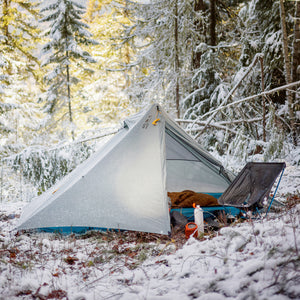
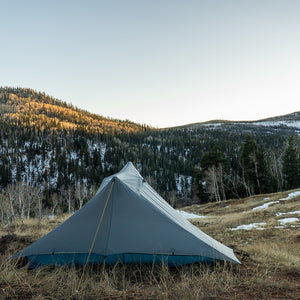
Josh: So I have a top I have like this like four and a half ounce Cuban or DCF top that I made that was like laughably small and they never pitched it because I just didn't write it only rained on me at night twice and I got lucky with where I was so I didn't have to pitch wet up I don't have a bit of a um I had a poncho quilt um which was really useful in the mornings because I could like wear it until the last minute instead of having to put my quilt on my bag first I could put a keeper on and keep myself warm until I was like seconds before I was gonna get moving I really liked that um.
Tayson: And that's on the PCT yeah yeah interesting so you're just Cowboy camping with the bugs and whatever else is out there.
Josh: Yeah so I carry a bug net like an oversized bug net that comes down to my waist and I will hike in that and I will sleep in that as well if the bugs are bad but most of the time I just Cowboy camp.
Tayson: Yeah gotcha gotcha um yeah there was I had a scenario where I was gonna Cowboy camp and uh I can't remember what happened I I feel like something happened where my sis myself there's a situation didn't work out the way that I thought and right as it starts to get dark all these massive spiders just start crawling out of everywhere and I'm just like I started freaking out no no no no no yeah and uh thankfully someone with me had a had a hammock um and I had we had supplied them with the hammock it was an influencer and we've given them a bug net just in case you know taking care of them and he's like I don't need this bug net like there's no bugs out or anything like that so he gave.
Tayson: Me the bug net yeah so I just put this hammock bug net up and over you know around my my sleep situation and I kept my hat on to keep the net from off my face and uh I get it cinched up I lay down in my bag and I look up at the moon and within five seconds a spider just crawls across my face on the outside of it and I'm like nope I will never sleep without like a net again you know what I mean um in the winter I do in the winter I do but um yeah anyways that's it takes it takes you guys just gotta not think about it I guess yeah.
Josh: So my first night of the PCT in 2019 camping in Washington at a popular camps I bought I slapped myself in the face in the middle of the night and I bought a mouse off my face and just like instinctively just like Chuck it away and then realize like that was a mouse I was holding I was like oh it's like I didn't sleep well the next night I was scared.
Tayson: Yeah yeah I no that doesn't work for me at least I would have to at least have like a bug net to put it on top of me right that's just yeah that's beyond my my limits but um man there's there's so many fascinating things here you've obviously got so much Trill knowledge you said that you'd hiked over 20 000 miles right and yeah you've attempted these fkts um is your season kind of over at this point are you looking at something you know for next year or what's your plans at this point.
Josh: Um I'm currently looking for a job and then hoping to do some like Scottish albinism over this like February March Time.
Tayson: And that what is Scottish mountainism.
Josh: Like really we don't really get ice so we get like really but our snow gets really compact naturally because of how many free store Cycles we'll have in a day so you can climb 90 degrees snow with bits of ice there's a lot of mixed climbing on like crappy ice steep snow bear Rock.
Tayson: So do you enjoy climbing is that like another thing that you do yeah or is oh.
Josh: I I love winter climate yeah okay and we.
Tayson: Didn't even cover this are you are where are you based out of I mean I'm sure people realize when you're calling headlamps torches and things like that but you're maybe not from you know the us but where are you from uh I live in.
Josh: The UK um I don't really I haven't spent more than six to eight months in the same place for the last decade so yeah I feel like like for six months come back and find a job wherever I can and then go hike again for six months do.
Tayson: You do you have any skills that you want to Market on the podcast here any any Specialties for employment besides being crazy makers and knowing that you're gonna quit in six months.
Josh: No I'm actually planning to not like do a big multi-thousand mile trip for a while now okay I'm considering that this might be my last one really stick to like the sub two week trips and try and have a bit of a bit of normalcy.
Tayson: I mean um for what four five five six years now you've kind of been on this train that you've ever fpt attempts in nine years nine years of this yeah.
Josh: 2013 was my first hike yeah.
Tayson: Wow yeah that's incredible.
Josh: It's been a big commitment.
Tayson: Yeah I'm sure I'm sure that's a massive massive convention like you say like you're having to quit find work you know and just balance all that for a lot of years that's gonna it's gonna wear on you for sure yeah.
Josh: Um so definitely ready to kind of a sense of stability for a while.
Tayson: For sure for sure that's super fascinating well when I guess you get your your next adventure plan because this is that I don't know if we'll uh we'll see if you can really calm down and not do this or if you're just gonna have to jump right back into it right but um yeah is there any place like do you have an Instagram account or something like that people can follow you on or stay up to date on some of your adventures.
Josh: Yeah I have Instagram it's underscore Joshua Perry p e double r y That's My Name um that's kind of the only social media I do yeah and I'm trying to get better at it.