Tayson: Hey everybody welcome back to the Live Ultralight podcast thanks for joining us today today we have a very special episode brandon who just took part in our ul member 100 challenge um brandon took part in a little bit of a different way that really caught my attention and he's the first of potentially a few people we will interview that did take part in the 100 mile challenge so uh brandon a little bit of backstory on him you uh you actually completed the challenge in your own way with your daughter and uh you're you're a utah boy here with us so so you're not too far up the road um and you've got a pretty interesting background you're you're a soccer coach for byu is that correct that's correct.
Brandon: Yeah so i've been with byu for 20 years now i played there and as i went to school and then i was an assistant coach now i've been the head coach for seven years.
Tayson: So that's awesome that's way awesome i'm sure that keeps you plenty busy in and of its own self so i'm definitely interested to see how you're able to not only manage that but also get out in the backcountry as well so maybe let's start with just having you give us a little bit of background on you know your own outdoor you know experiences and background so did you grow up in the outdoors what do you typically what's an average year look like are you are you getting out a lot or is it more family focused just just um kind of some touch points on on your experience with with.
Brandon: Being outside absolutely i uh i grew up in texas so um i guess i transplanted from texas to utah going to school um and when i was younger we went back you know some some camping but i've never been backpacking ever in really my life um until i got to utah and so growing up in texas um for anybody who's in texas sports kind of reigns supreme in texas right it's like religion there and so my brother and i both got into soccer and from age pull 10 on it was just soccer pretty much every weekend all year long and so we were just a sports junkie family ended up coming out here to utah for school and when i first started my major i was going into mechanical engineering um and then when um.
Brandon: I had left school and come back after mission i changed that to wreck management youth leadership and i think that's what changed everything for me i had always enjoyed outdoors and stuff but i never really did much of it growing up and once i got into that major i was able to take classes like one of my classes was um winter camping that's like my favorite class today was winter camping um the professor had been a guide on mount mckinley for like 20 years and so it's just such a cool place and to be in to learn about the outdoors and everything that utah had to offer and so that's when it kind of started um getting into hiking and backpacking and a lot of winter stuff i even though i grew up in texas.
Brandon: I really fell in love with wintertime because nobody was out there and so that was my favorite time to go out so um that's kind of what got me started was really and then once i finished school and finished playing that's kind of where it all ramped up i think my competitive drive of like in soccer i was a goalkeeper and so that my favorite thing to do was to train i enjoyed training more than i enjoyed the games um and so now that was done it was like okay now what am i going to do with my time and my energy and where am i going to push myself and and so my wife and i got really big into rock climbing right after i finished school um and then that gets you into. Hiking and then we had our first kid and rock climbing wasn't really an option once you have a little one um and so we got.
Tayson: Rock climbers are pretty crazy i'm i'm surprised i mean do people just strap kids to themselves and still rock climb i don't know but it wouldn't surprise me with how crazy.
Brandon: They are so it's true because we now so my nine-year-old she's my oldest i have a six seven year old who just turned seven this week and a four year old and my four-year-old climbs so we we definitely take them out now but at first we i mean it was years off um as we were having kids and so hiking became really big for us we'd go hiking all the time um even when we had the little ones and so that was kind of like the start of it was probably my my wreck management youth leadership degree where i started taking all these classes that kind of taught me about it and being here in utah and the provo area you're literally 10 minutes away from just.
Tayson: Disappearing so well i i want to back up here for a second i want to talk a little bit about the winter stuff but i also feel like i probably skipped just a little bit of of your unique story in in the sense of you did the hundred mile challenge with your nine-year-old daughter and the way that brandon kind of altered this was he decided to hike a total of 100 miles through the course of the basically a two month uh time window here so he's hiked 100 miles with his nine year old which was really really incredible and he posted in the group about the specific experience of hiking your nine-year-old all the way out to king's peak which uh really caught my attention because you know four or five years ago i did.
Tayson: King king speak for the first time and um i had started to get myself back into good shape you know when i started the business i i i kind of got i got into pretty bad shape honestly i gained a lot of weight i was just working non-stop and it was anyways and i started to get back into into better shape but we went to king's peak and um it was a it was a pretty brutal day for us uh we were we were going through a bunch of snow banks um did uh did a handful of extra miles from just where we had decided to camp and a few different things and had to do you know a lot of root arounds and stuff like that we just did it a little earlier in.
Tayson: The season but the elevation is just no joke um the climbing the climbing is a big deal too but like the exposure in the elevation can really get to you especially if you drag that hike out through a whole day and uh so to see you take your nine-year-old up there and her just crush it like you explained was was really really amazing and um i think it really touched a lot of us in the office that have kids because we are all very motivated to try to get our kids into the back country you know we want them to love some of these things we also see i mean personally i have a i i say personally but honestly all of us in the in the office a big part of why we do.
Tayson: What we do is we know that we can improve lives through better outdoor experiences and so you know with all of the tech and with all the things that we have these days getting people outside is the is the ying to the yang right it's it's the disconnect it's the it's the balancing side of things and so for us and our kids it's like yeah we've got to have that right like they're gonna have things like video games and phones and stuff like that that are just gonna become a part of their lives whether whether that's whether it's from friends or you know whatever it is but like you can't you can't just ignore those things and so helping them be able to disconnect is is massive and so hearing your story it was really.
Tayson: It was really touching and i want to get into that later but that's what you know made me reach out to you right away and say we need to get this guy on the podcast is you were you were getting your young kids to do things and be motivated to do things that i would say is incredibly unique and incredibly fascinating because i just don't know if of other nine-year-olds right now doing 100 miles on trail and liking it right like maybe if you if like your parent is just dragging you the whole way and carrying you and this and that like maybe but um you know to have her be excited to go do this with you is the next step and so that's that's where this podcast will go and where i i'm.
Tayson: Really excited to dig in but um maybe before we get into into more of the youth specific stuff i do want to back up just for a second talk about winter backpacking it's summer so it's it's a little bit easier to talk about it right now because you're not actively freezing your butt off or anything like that but i've also really fallen in love with winter camping and backpacking but i'd love to hear what you specifically like about that and what you were drawn to because coming from texas and not being maybe an avid backpacker that's quite surprising that's a jump typically it's your you're backpacking a ton in the summer and then you start backpacking a ton into all the shoulder seasons and then it's like well i just want a year on backpack. So then you get into winter backpacking so to me you almost it almost feels like you skipped a step so i'd love to hear you know like you obviously had this class that took you out there but what was it that pulled you to continue to do that.
Brandon: Um i don't know i i really don't like crowds um and things get crowded during the peak seasons and i realized every time i went out during the winter i was almost always alone right like it was just a solace um and it's so quiet like it is so quiet during the winter time when you go out there um there's a joy like during the springtime when you have all the sounds in nature but there's also like this really peaceful aspect of when you're out there during the winter like there's no sounds other than what you personally make and it's really just a calming and peaceful time um where we all have such busy lives right you got three i have three kids you know they're constantly wanting your attention and you go outside for.
Brandon: An hour two hours in winter and it's like everything just calms completely the other thing is i think that class was a massive bonus for me the reason most people think about winter is not a good time is because immediately they think about being cold um so i can honestly say and i've done a lot of temperatures i've never had a cold night's sleep ever so yeah you might say it around never had a cold night's sleep ever um and you know you feet can get like a little bit cold but like where you're cold in your sleeping bag and you can't sleep i've just never had it and i attribute to that class like he made sure that go through point after point of all right here's the tricks and trades of staying warm.
Brandon: Here's the gear that you need you need to understand what you're doing when you're out there um because it's not fun if you're cold i'm not like mr tough guy who wants to go out there and just endure pain like that does not sound fun to me at all i want to go out and have a good time and that means staying warm and if you understand how to stay warm then it's really just a joy to be out there at that time of year yeah that.
Tayson: Makes a ton of sense i mean if you're if if you have the ability to stay warm in the winter then everything else you've got the skill set right so train train for the hardest part of the year and then everything else comes will be much easier so that's that's an interesting approach i mean it makes a ton of sense.
Brandon: So and it kind of i don't know every time my backyard sits up to mount timpanogos basically so i just walked my backyard and i looked straight up at mount temp and so that was another thing with wintertime i've always looked at that mountain like i want to be at the top of that during the winter like everybody hikes it during the year and i was like always like thinking so the winter time i don't know it just intrigues me always when i see mountains with snow i'm like yeah i want to go out.
Tayson: There yeah do you um snowshoe do you ski do you downhill ski.
Brandon: Um so snowshoeing yes do a bit of mountaineering i got into that about two years ago with a friend so the whole crampons ice axe mount temp is pretty on the west side is a pretty intense climb doing it during the winter um so got into that the family skis and snowboards um i would like one day maybe to get into some backcountry but all that stuff gets really expensive so i haven't touched any of it yet yeah so when you're mainly.
Tayson: Going out you're using snowshoes yeah gotcha gotcha now it sounds super interesting um you you mentioned in passing that you're a bit competitive uh and i'd say most collegiate athletes are um so how does that play into this uh do you get competitive in the sense of like yeah i want to i want to go and do like really hard things like timpanogos or is it more or like do you trail run and do anything like that.
Brandon: Um i think the kids have dialed down the competitiveness where it's not like as much of a competition as it's just being a better person so yeah when i was in college it was more about like what do i have to do to win right that was the competition and now and when i coach obviously it's still about you have to progress to win but in the outdoors i've kind of come to the sense of like how do i just progress right how do i take the skill i have and not allow it to go away but maybe increase it a little bit and so the kids have dialed that down a lot where my progression is based on their progression so that's why king's peak it was a little bit of selfishness on me. I want to go do something a little bit bigger so it's like okay i don't want to go do it by myself how can i take one of my kids with me and so in the back of my mind like always thinking all right so if they progress then i get to do bigger things as well with them um which is a win-win.
Tayson: Right right okay well i think that's a great lead way into just how in the world you're getting your kids to do this stuff right so i personally take um make it a big point to take my kid on at least one dedicated trip a year where it's just him and me and uh he's he's five so he's he's you know a little bit younger than than uh your nine-year-old but but still like when i've gone i've done you know a mile like a mile backpack into a lake and i've done some things around there and this year we would we did about two miles you know but it's it was a climb like the whole way up you know and and um and it was interesting because i thought for sure you'd be able.
Tayson: To do the two miles this year you know easy it was gradual it was yes it was uphill but it was very gradual and it wasn't it wasn't too intense i guess um and it was bigger than the year previous where it was where actually where went to was like a mile almost straight up like it was pretty steep and uh and so we got out there and and he just like wasn't wasn't into the hiking part of it that day you know what i mean like he was just kind of showed up and it was just like i feel like we were like five or ten minutes in and he's like let's stop let's let's do that you know and i was like if we start stopping right now like we're never gonna get.
Tayson: There and you know and pretty soon i'm i'm carrying them at times and putting them down at times and and so on so forth and it was it caught me off guard a little bit because i thought like the year before he was so like he just showed up to the trailhead like i'm gonna hike i'm gonna do this you know and i don't put any weight on him he carries i one of the things that i do to make it more fun forms i give him a backpack and the only thing in it is whatever candy he chose at the grocery store to bring so he's just got a backpack full of high chews typically and so he's always stopping for breaks but like but like the fir like the first year just seemed.
Tayson: Like he showed up dedicated and he he dang near finished the full mile with like a thousand feet of elevation climb by himself i carried him i carried him like 200 yards like the last 200 yards and i was really impressed with it so this year i'm like oh this is less elevation but it's farther he's gonna he's gonna crush it and he just kind of mentally showed up like ah let's take breaks let's look at rocks i don't i don't know this seems far you know are we there yet and and so you know that that's kind of been on my mind and i and it sounds like with with your approach it's it's a little more like you're you're almost like training with them and you're like building it into them and it's. A little bit more maybe line up online instead of you know one-off trip here or one-off trip there so maybe just start with with some of the background of of where you've started your kids and then how that's progressed.
Brandon: So here's the phrase that i like i've had people ask us because we're on the trails and i got three kids and you know a four-year-old and my six-year-old son who's now seven um and people are like wait a minute what are you guys doing um and this is the phrase that i always tell everybody i call it sweat equity right you started business you know what sweat equity is where you put a whole lot of effort into something you see zero results from right um and you don't see it until much later down the line and so that's kind of our approach i know a lot of people and you see a lot of people on the trails where they're fit they just had kids and they have their kids in their pack right.
Brandon: But then you see this really big separation between people out there carrying kids and then little kids walking along the trail with them and i think that's the hardest part as an adult is because a lot of times for us we're going out there a bit for exercise we want to like kind of accomplish some type of a goal um and you know okay my reason we're going hiking is we're gonna go two miles today right we put like a number on it typically that's what i do um and with kids it's not like that not until later on at least for kids it's like okay why are we going out there what can i see what can i touch what can i jump in right is there water available so it's been a lot.
Brandon: Of years of that aspect of okay let's go out on a sunday and just if we end up going a quarter mile and that's it great right the kids stopped every five seconds to take a drink great whatever um so now that the kids have gone through that now i'm kind of starting to see like okay they they can go really long distances and find joy um and one of the things i started doing with my daughter i think this was our key between her and i think every kid is going to be different but when i noticed that she started being able to do my more miles i was like all right well why don't we go out daddy daughter dates and as hiking and the thing that she wanted most was story time.
Brandon: So when we're on the trail about probably 75 percent of time we're telling stories so the way we do it is one person says all right here's your character and here's your location now make a story up and then somebody will tell a story about that and then you'll switch it so we really got in um i remember is i think two years ago so she was probably around seven and this was the longest hike she had done to date this was during covid um it was an eight mile just kind of out and back and literally the entire time we told stories and she didn't complain she didn't slow down she actually like i had trouble sometimes keeping up with her because her mind was fixated on all the stories and she just kept.
Brandon: Going and i was like okay like there's something big to like where her focus is because i think for all of us if we just especially young kids if they just focus on hiking they're going to get super bored and they're going to start realizing well this is kind of hard and why am i doing this so there's obviously the nature aspect to get out the exercise aspect but i think there's also with kids there's a big connection aspect like are you out there connecting with them and a lot of times at the younger age it becomes like a battle with them rather than a connection like all right come on we're never gonna make it like i know how many times i've sat down that trail we gotta speed up we're not gonna make. It let's get going we can't rest again it's we just rested five minutes ago like yeah it took me a long time to get out of that mindset and just be like all right you need a break let's take a break grab some water.
Tayson: Yeah i i think that's so true um because i think like i look at my boy and he's super capable i mean he can he can run all day long in the backyard and he can ride a bike all day long and he can play all you know what i mean like he he's he seems to be very capable for what i've would have taken him on um but it's the mental focus side that that 100 is what what distracts him right it's like what he's fixating on or boredom you know so typically what the way that i was attempting to do this was i would say you know he he lakes are fun for kids right like because they can throw rocks they can play in the mud they can do you know they.
Tayson: Can catch fish you know and he enjoys he enjoys fishing and so i've tried to center all of these hikes on getting to a lake right and so like that's the end goal seeing destination let's get there let's play let's try to catch fish let's i don't know find bugs whatever it is and and uh that's been helpful but um but i think even for that sometimes that the cycle is too long if it's going to take you two hours to get there that's a long time for a kid you know it's like taking a two-hour drive to get to grandma's or something like that they're the whole time they're they're bugging you they're you know and that's that's them not having to exert themselves at all that's just them sitting um so i think. That's that's really a good idea is to tell stories i mean that's that's a really great way to keep the focus off of just the monotony of of walking and covering those miles um yeah i'm curious i mean do you have is there any other like like things like that that you've discovered that helps that helps them focus on.
Brandon: That so we do stories we also do animal battles my kids i think all kids love animals so you pick two animals and somebody has to tell like a battle story like who ends up winning so you pick like uh i don't know a jaguar versus a buffalo and it's gonna be in the jungle and what happens and this person just has to make up like this battle story right um so we do those um do the alphabet game where um so like if we were on the letter z or let's say v i think v was one that we came up with that was a funny one um a venomous viper vanquished voldemort so we'd come up with that you have to go through the whole alphabet so one person starts a next person.
Brandon: Goes b and you have to come up with something so those are kind of a few of those on my son's side he he likes the stories and they're fun but he's not quite as much that side as my daughter is so his big thing is uh is definitely water like it kills me it's taken me like literally three years to get used to it but he just wants to walk through anything that's wet or muddy and like that's what he looks for on the trail that's the most joy the last trip we went on he went on a trip with me with a young men's group and it was about five miles um.
Brandon: Back up in the uintas and and it was a little bit wetter on the trail and i told them hey your feet are getting bigger these are the last time for these boots so we'll get you some new ones he's like well can i just like wreck him then and he thought it was it was the best trip of his life because every puddle every mud he's like well we're getting rid of them anyways let's go through the mud right um and so that for him is the bigger aspect of like what adventures can i find on the trail um and so he's constantly always off trail going into the bushes or um wherever he can find like a little personal adventure to go on that is what he finds the most joy on and.
Brandon: I kind of found that out a little bit more when we tried to teach him skiing about a year and a half two years ago i was i almost lost it after 30 minutes it's like this kid will listen to a single thing i say and he's gonna kill himself and somebody else by darting in front of somebody and finally he just goes dad i want to go in the trees i want to go ski in and out of the trees where all the hills are and i was like okay well if you want to do that you have to go down like the the short slope the mini one here without falling if you can make it down the whole way without falling let's go in threes so what'd he do next time listen.
Brandon: To everything made it ways down he fell once i was like all right we gotta go again didn't fall again and then he spent his time in the trees like skiing in and out of the trees like he's motivated by different things than she is so i think for every kid you kind of gotta find what motivates them what they're really looking for when they're out there um and then just capitalize on that to kind of take away the distraction of my legs hurt i don't really want to keep going that doesn't make sense to me and but then once you've gotten them past that point and they get some mileage in them then it's like they understand the distance and they're like oh yeah okay no worries and they'll just go so that's kind. Of with my two older that's where we're at with my four-year-old this was like her first.
Tayson: Year really like.
Brandon: Hiking at all the the year before was mostly on my shoulders and and now we are like nope nobody's holding you so our our distance shrunk anytime she went quite a bit because we were like we're not going to hold you anymore you need to you need to do the work on your own and not in those words though.
Tayson: Either way yeah oh you got this you're.
Brandon: Strong like your brother and sister go out there and stay with them.
Tayson: So in your experience um with motivators per se do they have you found it good to do i don't know hypothetical mini goals along the trail or is it more of trying to find like a constant way to keep them you know happy and enjoying it and what i mean by that is like i'm just trying to think okay what would what would motivate my boy atlas would it be to be like okay after we get this far we'll stop and we'll we'll do something that he enjoys and then we come back to it and as i think about that i'm like man that's it almost i don't know if that could work and that's kind of what i got to on my most recent hike with him was okay we'll go this much farther.
Tayson: We'll stop and you know figure something out that he that he's going to enjoy whether it's getting out of snack or whether it's this but but i'm my concern i guess would be with with like how you explained it with your daughter was she can zone out per se to to something besides hiking um so that she probably enjoys hiking more than feeling like i have to go through the work to get to what i want on the other side constantly right so i'd love to hear your perspective on on that.
Brandon: I would say like um not until age six did i really do any like goal stuff with them so everything before age six was just getting out and whatever happened happened um when we're on the trail with the younger ones definitely snacks are like one of the bigger ones like below age six like hey you grab your snacks all right five more minutes and we're stopping for your snack okay i can do five more minutes right or so snacks is one that we've used a lot and a lot of the trails we use will be somewhere near water and whether it's a waterfall or a stream and so they're like oh i'm getting tired and they're like oh five or ten more minutes and let's stop and just play in the water and so those.
Brandon: Two have been probably the biggest motivators as like below age six um where they're just like they're they're out there for something more than just to be out there hiking um now that i've watched the two older past stage six there's also those moments we don't get away from those we still incorporate those but then it's also well do you want to do something bigger this year um and so like my son who's just turned seven this week so he did temp which is 14 miles round trip this year so at six years old he did temp and that was what he wanted to do as a goal um and because his sister did it the year before he saw her and so we're like and it's that's huge right i.
Tayson: Mean tim i don't know the elevation profile on it but it's a lot right i mean it's.
Brandon: Tim's like no joke yeah yeah like i feel.
Tayson: Like i've heard of college age and older kids complaining up and down about the difficulty of timp you know yeah for them for them like maybe not like avid hikers but they're like they're old enough that they should and fit enough they should be able to do it and they're still like oh my gosh that was one of the hardest.
Brandon: It's it's yeah i mean basically if you took because you've done king's peak if you took off the the flat seven miles at the beginning of king's peak the rest that's pretty similar to temp um rather than big boulders you have kind of like smaller rocks at the last mile for temp that's the difference but the elevation gain and like the steepness is in the same realm so um and he's my confident one and so you know we're asking him dude is that hard it's like nope that was easy like that's his goal in life is just tell everybody everything's easy um but now his goal for next year is he wants to go to king's peak with the sister you went and did it and they're they're they've become best friends too which is. A lot of fun so they share a lot of things together and so um i mean half the time on the trails like my daughter her name's tinsley and she was like i miss micah i wish micah was with us.
Tayson: So yeah.
Brandon: So um so hopefully we'll see if it happens but that would be the goal next year is get both of them up there that would be huge my wife's gonna have to come on that one if i'm taking both of them though i was.
Tayson: Gonna say you're outnumbered at that point and if things go wrong what do you do man you can take one under each arm and start barreling down the mountain or something i don't know.
Brandon: So those are kind of some of the stuff i use i mean i think below age six is just really getting them out there comfortable on a regular basis and then find the things that motivate them between snacks or water or or whatever it is um and then once they find a joy and just being out there and they realize like yeah i get tired but i can keep going i think that's a component that kids don't learn real early is as soon as they think my legs hurt they think well i need to stop right yeah whereas once you get out there often enough and you get them pushing through those moments they're like oh well it never got worse like they start to realize i can keep going and it doesn't get worse. Um once they get past that then that's kind of when you can kind of start to push things with them.
Tayson: Well and you isolated that to just kids but i would i would broaden that uh because i i have i've kind of developed this this uh thought process the last maybe two years of just developing a relationship with miles and what i mean by that is is i think it's really easy and especially for me earlier on because i'm very goal oriented as well and so it's always like well if i could crush these miles faster if i could do this fast you know and it was so i was always like for some reason it was like look it's five miles it's gonna take me this long to do i was always like well i could i could get that done faster and shorten that up you know what i mean and i was always.
Tayson: Pushing that and part of that is true and and can be motivating but i think the bigger thing is like just developing a relationship with miles and time um and just just being able to like when you set out you just be able to be okay it's it's five miles it should take me about this much time and then you personally just can kind of get into your own mental zone of clicking off miles and what that feels like and and not like hyper analyzing the distance and how you feel and all these different things because sometimes they'll take out people on trail and it just seems like you know they expected to be able to go faster or they expected this and they don't have this relationship with miles where where they where five.
Tayson: Miles really means something to them maybe it's because they don't have enough you know data per se of their own personal experience out there to be like this is what five miles feels like or this or that but it's really interesting because like i would just i don't know i was out with with my brothers last year um doing some some sporting activities and and like we were walking around this basin and it was like like in their heads when you're up in the high country and you're like okay i'm just going to walk around this basin i'll glass tonight looking for animals and then i'll walk back and he looked across the basin and was like you're crazy you're like why would you walker you know like just just couldn't understand it and i'm.
Tayson: Like i mapped it out on the map it's three miles i'll be there in you know 50 minutes or something like that and and i've got 50 minutes to kill so why wouldn't i do it you know what i mean i just take off and like it's just just zone out do the fifth you know the walk around and glass and come back and and it was just it started to make me realize there's this massive disparity of people getting figuring out their own relationship with miles and what that feels like what it feels like to do a 20-mile day what it feels like to do five miles and what it feels like to do a mile so when you're talking about with kids and getting them used to what a mile feels like i.
Tayson: Feel like that's that's gonna pay massive dividends for them right because they know when you say it's five more miles if i tell my five-year-old that he has no idea what that means right versus you probably tell that to your nine-year-old um she's got much more of a grasp on that what that feels like what that looks like the time involved and she has now a relationship with those miles um i imagine that that as you've been out building that line upon line up online has paid massive dividends in her ability to stay motivated and to just go farther because she can mentally prepare for it right.
Brandon: Yeah i try to ask her a couple questions while we're on king's peak because i don't think she has any idea how impressive that was um right and so i try to it's probably so we got up at 3 a.m and real quick.
Tayson: Let's let's explain just the whole approach and out to king speak so king's peak for people that don't know it's about 13 13 and a half miles to go from the trailhead the closest trailhead all the way in and up king's peak it's also and i probably should pull this but i'm i'm thinking it's probably three to four thousand feet of elevation maybe that's over estimating i don't know maybe it's maybe it's more like two to three i don't know but it's the the thing is it's pretty gradual at the beginning you go through a pass that's a good climb and then you drop down the back side of the pass and then you go for a little bit on on some flatter stuff and then it's just this this big long climb that kind.
Tayson: Of like gets steeper as you go in a lot of ways meaning like the more tired you get the harder the climb gets because it's also getting steeper and the crazier the trail gets it starts off nice there's a few big step ups etc but then as you get closer to the top now you're getting into big boulders and you the the whole last uh 0.7 or 0.8 of a mile is just bouldering and crawling up you know this this terrain that's this just it's mentally defeating i guess is how i describe it because you're you're already at your most tired in the trip you've climbed the most you've been exposed the most of the sun you've been you know above 12 000 feet for for an extended period of time type of thing so. Um so so out and back on this is 26 miles roughly and uh i don't know which route you do it's 26 or 28. Okay up about 27 so we.
Brandon: Did the cut there's you can kind of do like the flatter section on the back side before you start the steep climb or you can kind of do the shortcut through.
Tayson: And side hill it yep yeah and that one will put you at about.
Brandon: 26.
Tayson: Yeah yeah so um anyway so a little bit of background so back into taking taking her up here that's you're getting into.
Brandon: On king's peak too king speaks one of those mountains that lies to you about four times at the top too where you're like oh there's the summit nope nope it's further so and i warned my daughter about that one i was like just so you know you're going to feel like you're at the top and you're going to get there and you're going to look and you're going to be like no way i have to go that much further so.
Tayson: It yeah that rounded like the roundness of going up anderson and then then also as you're getting up at the peak too it's it's got a lot of lies in there for sure yeah.
Brandon: Um but yeah so i mean we woke up at 3 a.m which again there's another piece my daughter woke up at 3 a.m with zero complaints um and had a little breakfast got on the trail at 3 30 and about 4 4 30 we're hiking in pitch black um and i got one light with me a nice bright light behind us so the trail's well lit but i just kind of my head i was like tinsley like what makes you able to do this like have you thought about that like i'm i'm trying to ask her try to put it in terminology that makes sense to her but i was like she's like what do you mean dad i'm like you're up at 4 30 in the morning pitch black on the side of a.
Brandon: Mountain going up super steep section here and it's like what makes you able to do this and she just kind of thought about she's like i don't know i just do it um and then on our way down i'm like you just did king's peak like this is so awesome like do you realize how impressive that and she just looks at me she goes well earlier i was thinking in my head i was like um i just did king speak okay and just that was her thought she was like i do king.
Tayson: She's gonna tell people that when she's older like yeah i had king speak at nine and they're just gonna say you're just a liar like i don't believe you know what i mean like no one's even going to believe that.
Brandon: Yeah and there's like this we finally it was first time she kind of got excited right um when you get to um the top of the first pass that's where we're coming back down so we're about to drop back in um there was a group of ladies probably in their mid to late 20s about six of them who had all gone out there to hike together and they just look at it and they're like did you just come down and she's like yeah and what time do you guys start she's like uh 3 3 30 and they're like are you serious how old are you it's like i'm nine and they're just like in awe and i'm like to now realize they're looking at this and they're about to approach going up and they're super.
Brandon: Nervous and you're nine years old and you just kind of crushed it like when we got to the boulder field at the top the last section i struggled to keep up with her i was like what in the world like i even tried to speed up and she was still staying in front of me and i was like i can't catch her and she just got into that mindset of there's something i have to do i can't get out of it so i might as well just do it yeah and so she knows that we're going to the top she knows that's the objective and so she just mentally like shuts everything else out just okay let's go do it.
Tayson: Yeah so it's it's so impressive that's so i mean it's gonna pay it's gonna pay amazing dividends for her to have that level of patience and dedication and and you know discipline throughout her whole life right and i'm like i mean i get i get very inspired by i guess listening to this because it's just like that's that to me is is good parenting that to me is is setting your kid up for a lifetime of success is taking him out to to do this kind of stuff um i hope one day that she can really realize that like you know how intense that wasn't really like basket instead of being like thinking i i did king speak cool you know i know i think she will but like even if she doesn't like what's.
Tayson: Gonna be hard to her in her life if if that's not even hard you know what i'm saying like everyone's gonna have their own their own struggles and things that'll come up but like she's gonna have just so much ability to to push and accomplish in her life you know what i mean because of because of these thresholds she's already pushing forward you know it's it's incredible um i looked up that hike so according to all trails um this particular route from henry forks which is the the trail that everyone starts at is 27.8 miles and 5100 feet of climbing so a lot of elevation that was actually more than i even i gave it in my head but yeah 5160 feet of climbing so just incredibly impressive it really is um that's just so. Cool so i mean as as you're coming down like i mean starting at 3 30 i mean let's maybe just talk on that because i don't know that i've i've ever considered doing that i guess and so what was what was the the mindset of starting at 330 was was there a factor of like hiking in the dark that was helpful to her or is it just to avoid exposure and sun.
Brandon: So we we drove out thursday night kind of later slept in the car and we got started on friday morning um for the first section we made it 9.3 miles in and just a little bit past dollar lake which is kind of where most people stop but i want to push back past that a little bit to shorten up the next day um and once we got camp set up it was what one two o'clock so there's a long period where you're just kind of hanging out anyways and not doing a lot um and so we rested we we hung out in the tent we went got some water and just sat around and we did come up with a with a new game um in a tent that got pretty competitive and intense so.
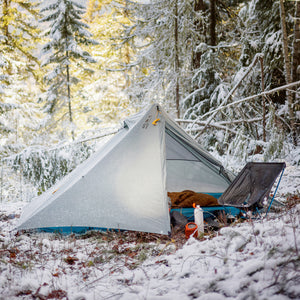
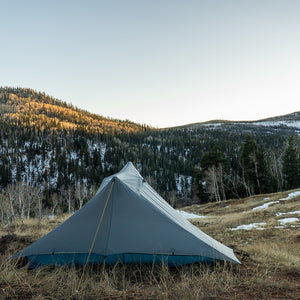
Brandon: On our tent a little dome shaped two person on each side it has like little gear pockets up at the top little mesh ones and uh we had oatmeal packs so we played oatmeal toss like bing bag toss yeah toss it and slide it into them and it was pretty entertaining so we hung out and had some fun and then um i was kind of mapping off because when we did temp um we decided to do it kind of the same structure so we went up late hiked about five miles in on like a friday night camped just for basically from like 10 o'clock till 5 o'clock in the morning and went up um temp and finished it the next morning and what i noticed with that it did a couple things one for the.
Brandon: Kids it gives them the rest right like gives those breaks between um two is oftentimes the steepest part kind of looks a little daunting in your head right and if they can't see the top of it in the morning when it's dark they just start on the trail with no like worries um rather than waking up looking and being like oh that's really far um so i think that does a good um bit and they they can just only really see the couple steps in front of them which just means like i don't have to worry about what's 100 yards 200 yards all i have to worry about is what the next step is um so and also just on a time block to get back home because it is three hour drive to get.
Brandon: Home so if we if we started at a certain time um the last time i also when i did king's peak it's been a number of years i've only done it twice this was my second time the first time i did um we got caught in lightning so i was like all right i know the block of time where it's going to be the calmest the least likely of any clouds coming in and just in case this goes slow or anything happens let's just start it early to make sure we don't have to worry about any weather issues so those were a couple of reasons um and it ended up being a perfect morning like when we woke up it was windy and cloudy and then about right when we hit the boulder field everything. Just disappeared um and it just became a clear sky and when we got to the top we could see the sun on our left and the moon on the right just like almost even with each other just like a really cool view um as we got to the top and then headed back down um with the good warmth of the sun with the.
Tayson: Fireworks show too you better yeah.
Brandon: I had no idea what it was when we were out there that was crazy um i just saw something in the sky and then later on a group of people like did you guys hear that loud boom sound and i was like yeah i think i saw like a somebody shot a flare in this guy's what it looked like to me and then two days later i'm reading in the news like a meteor hit utah northern utah and i'm like are you kidding so yeah apparently so crazy.
Tayson: That's so crazy uh it's yeah what are the chances right um so couple things with that i would say to uh you know that story of you you know walking past that that group of uh ladies that were talking with your daughter we sat at anderson pass when we were on the Uinta trail near the high line trail um just like a week before i guess you were out there and it's very interesting um you get you get like this perspective so we had hiked we hiked quite a long way so on day one we went and we went 18 miles and i mentioned to the team i said man why is nobody smiling like everybody looked miserable and i was just like this is rough you know and they're all most of the people.
Tayson: Are like headed to their vehicles and they look like most of them didn't look like you know die-hards they weren't people finishing the high line or anything like that they'd gone in for a trip and come out and they looked pretty miserable and then we started day two and we were going up through like red naw pass and we we passed some people and they seemed pretty happy and that was good got all the way over to the base anderson then climb up anderson and there was a lot of disparity there yeah there's happy people there's happy people but even the happy people like they just looked exhausted right but then you see a lot of people that you know their eyes are just about this big and they realize what they've got themselves into.
Tayson: You know what i mean like it's it would be interesting to just sit in anderson and see because there's almost there's almost no one out on the winter highline trail you know and and then we hit anderson and it was just group after group yeah group after group and uh yeah it was very interesting just to see them because almost all of them you know big eyes just like they're struggling they're working they're tired they're you know and um yeah maybe one day i guess you'll have to point that out to her if you go do it again and she's coming down the trail just just look at them because a lot of them are are i mean they're feeling it right like it's no joke to be up there um and uh yeah i. Mean anderson passes like 12 500 or something like that so it's a tall pass and even before you do that last you know steep nasty climb to the top um people are really feeling it but um that's where we saw and that was i.
Brandon: Like i said earlier i don't tend to enjoy groups too much i like you know i don't mind seeing people it's it's kind of a joy to see people on trails because most everybody's super nice right so um but i don't want to be around a bunch of people while i'm going all over these boulders and getting to the top so we didn't see anybody on trail until we came past anderson pass on the way down right and so that was close to eight o'clock um and so i think most everybody we saw was in decent spirits um yeah at that point but they're the go-getters that.
Tayson: Are up that early still they were up.
Brandon: Early and they hadn't started the last climb or come down the last climb i think that coming off the the top bridge is worse than going any part of it because you almost go slower coming down than you did going up um that's a it's a brutal section.
Tayson: Yeah yeah when i did it there was a ton of snow and uh it was it was nasty i was going so slow because i was jamming every trekking pole into the snow because i was looking at this big slide and i'm like i do not want to start sliding down that you know um but anyway so i i wanted to go back a little bit to to also just going back to the speed of hiking so i'd love to hear you know your ex if you have expectations or if you don't have expectations or what you've seen with with maybe some of your kids and and their speeds of hiking it sounded like it kind of sounds like your daughter can can click off miles at a pretty reasonable rate but you mentioned your. Son kind of wandering and going off through the trees and stuff like that so do you kind of plan in you know just the pace a little bit or do you have any estimates of what you know to expect i guess when you're out there doing this.
Brandon: Um i think i'm a little bit like you in the sense of when i go out on my own i'm very aware of the time i'm putting in right like okay i'm gonna go do five miles this is how long it'll take me um and so we've gone out enough on shorter hikes that i'm like okay i know the steepness of the hike that we're going on this is kind of like the block of time i know that most likely within an hour to an hour and a half we will have a stop so i kind of mentally prepare myself that i know the things that will happen now as we've hyped enough i know most of their personalities that at certain points are gonna have to stop or at certain points it's just going.
Brandon: To be a longer half mile that round than it was last one um so when we do like the backpacking stuff now that these two longer ones like temp and kings and i try to have a good gauge like before i go all right what time do i need to start what time am i expecting um and i've been able to break it down pretty well and like king's peak went even better than i had broken it down in my head um because on the way back i was i was very surprised and like you said with your your son like endless energy right for kids they just have to be motivated to keep going and so tinsley was super excited to get home to see your brother and so we're coming to the last.
Brandon: Four miles and those are probably the hardest miles because you're like i know that the car is up there and it's all pretty flat but i haven't reached it yet and it just keeps going by but she was like skipping and running at times and like just having a great time and so the pace of it that she was putting in at the end was much faster than i thought i thought we're gonna have to stop like every half mile just get the pack off have an extra snack but she just kind of kept cruising along and telling stories um yeah so that was impressive to me is the end of it was more impressive almost than any of the other stuff um but with my littlest one over the next year is going to.
Brandon: Take quite a lot of work and patience from all of us and so everything's going to go really slow just to get her comfortable being out there and stretching her legs and doing more than you know what she thinks she can so the next year will be a fun one with her as she's four and she's trying to catch up to her brother and sister and see what she's capable of um and so we'll have to adjust according for her but the other two are to the point where they're they kind of know expectations too when we leave like here's the hike we're gonna go do they know the distance they know what the purpose kind of all right there's a waterfall or there's a lake um and and then we just adjust according to. You know whether with what do we have to eat drink type stuff right.
Tayson: Yeah yeah yeah i think that's kind of interesting it sounds like it's just the answer is massive variation and really that the answer is you're getting out of that that scenario and and whatnot so that makes sense that's the key is like.
Brandon: Because i want to go like my personality is like all right what type of trip could i plan next year if i just plan one for myself and i could go as long as i wanted right i think we all dream of doing those types of trips with their kids when they get older yeah the question becomes like there's so much like mental fortitude in that process that if you don't train it throughout the years you're not going to be able to do it when they get older because they're not going to want to yeah so the assumption is okay once they're big enough old enough to go do this then we'll go do it but the reality is that probably is not going to happen if you haven't like take away those miles throughout. The years and just built them into it and so stepping back with the dad patients and just being like all right it'd be really cool to go do 10 miles today but i'm probably gonna go do a mile and a half and i'll take the kids with me right yeah that's the hard part.
Tayson: Yeah i think that that's gonna be um my biggest thing is mine's gonna be patience and and just figuring out how to how to slow down to their pace and be very happy and what not with it and i think i can do it pretty good you know when when i do it but it's i need to up the frequency i guess is now it's like i need to be taking uh atlas you know out more frequently and and uh you know because ever i think anyone can have patience for a set amount of time and i feel like i have really good patience and i go to like this one super dedicated trip for him every year but one is not going to be enough to get him really you know scaling if that.
Tayson: Makes sense but um i just wanted to i guess i just wanted to come back to one thing because i think one thing that's still just really bouncing around in my head it just comes back to that motivation side right we talked about kind of games we talked about some different motivators but when you look at um is it tinsley yep when you look at her like like besides just like daddy daughter time um and knowing you know that she gets to play games and tell stories and stuff on trail do you like did she care at all about the peak or or like did she care at all about any type of like like goal that she had personally set or just any other motivators i think i think that like is i think.
Tayson: The more wise you can have or the more wise we can give to people listening you know the more likely they'll be able to find one that works or just understand that and unpack that because i think anyone that has i i there's there's a quote i heard years and years ago it's just a few um if you understand the why you can endure any what right and at first i didn't really understand that but as time goes on and you just think about it's like yeah like you can do anything in this world if your why is big enough right um which really just comes back to that motivation aspect but i'd love to just just give you one more maybe maybe dig one more time and just see if there's anything else that. You feel like she got out of the trip that she was happy about.
Brandon: Yeah i think the goal to do king's peak was probably the least motivation for her like that.
Tayson: Goal to do kings.